Rivalry · East Asia
China vs Japan
Diplomatic crisis since November 2025Updated October 31, 2026
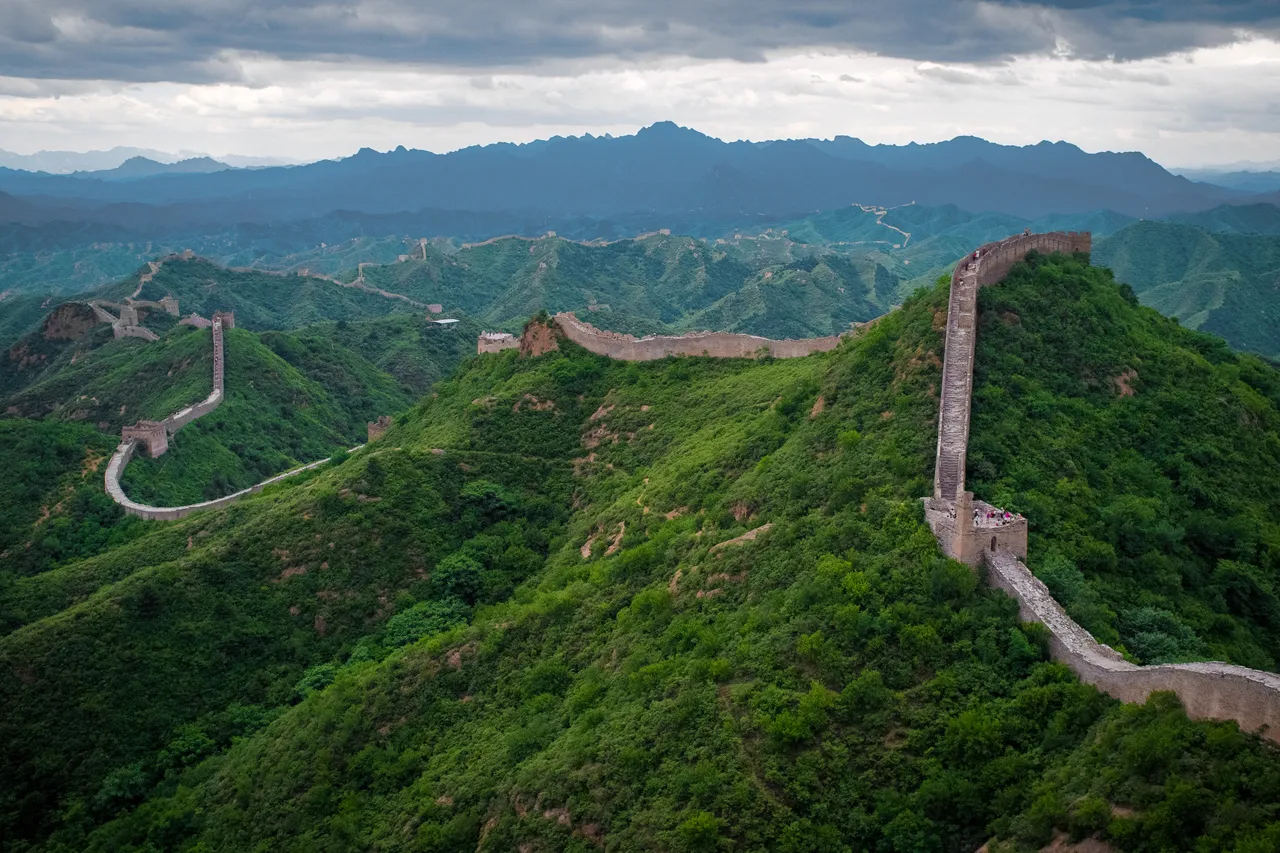
China and Japan are Asia's two largest economies, and China is Japan's largest trading partner. They fought wars in 1894-95 and 1937-45, and they dispute the Senkaku Islands, which China calls the Diaoyu Islands. In November 2025, Prime Minister Sanae Takaichi said Japan could use force if China attacked Taiwan. China answered with a travel warning, a seafood ban and export controls. As of late October 2026, China still demands that she take the remarks back, and Xi Jinping has not met her since.
- Trade in 2025
- $304 billion
- China is Japan's largest trading partner
- Wars
- 1894 and 1937
- 15 to 20 million Chinese killed in 1937-45
- Coast guard
- 357 days
- Chinese ships next to the Senkakus, 2025
- Chinese visitors
- down 44.5%
- to Japan in September 2026, from a year earlier
- Japan defense
- 2% of GDP
- reached in FY2025, by Japan's own measure
How do China and Japan compare?
Each bar is scaled to the larger of the two. Every row links to its full ranking.
Where could the rivalry turn into a conflict?
The disputed islands, Taiwan, China's hold on rare earths, and the memory of the wars.
Disputed territory
Senkaku Islands
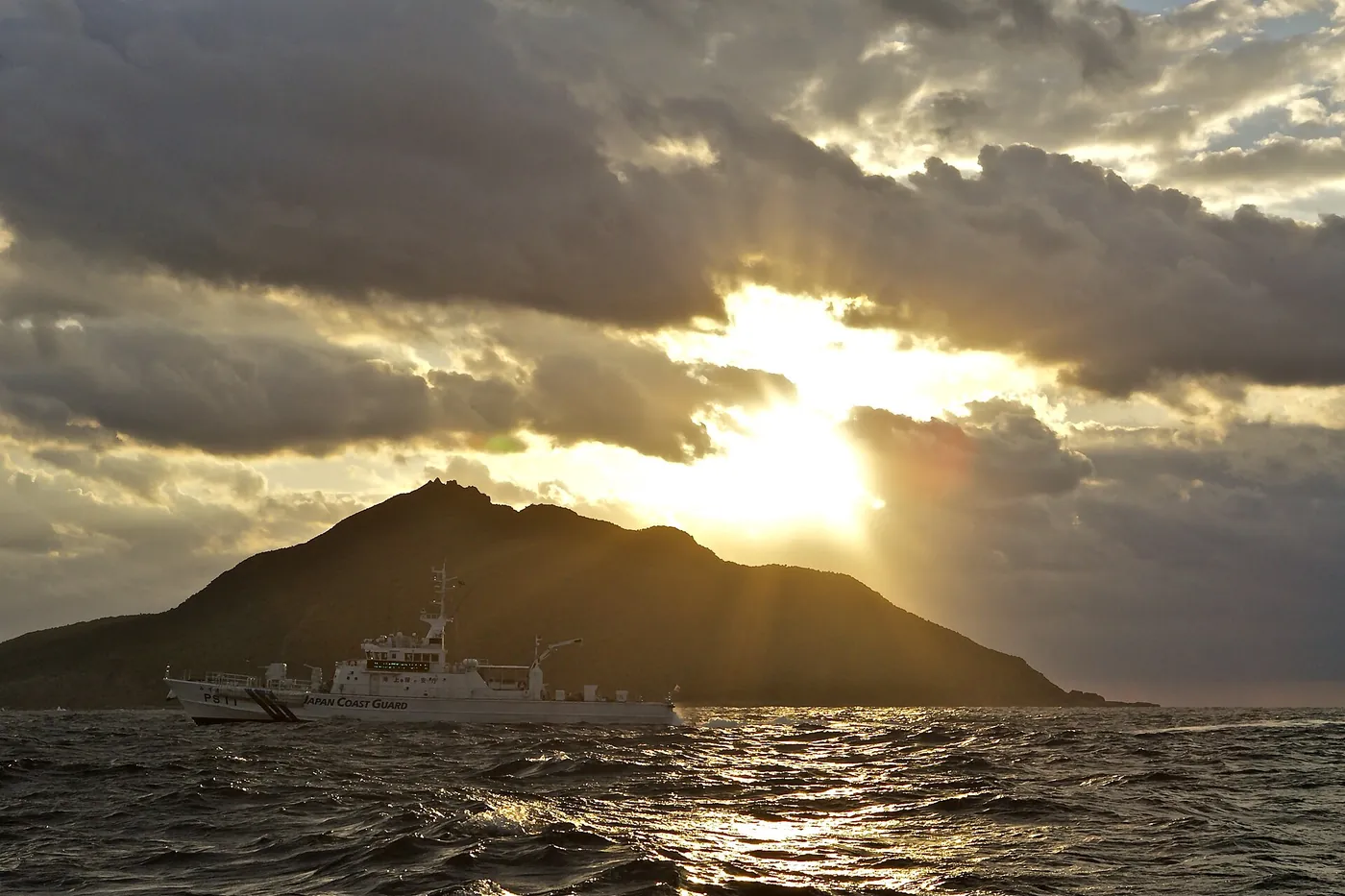
Japan holds them. China sends coast guard ships almost every day.
 Flashpoint
Taiwan
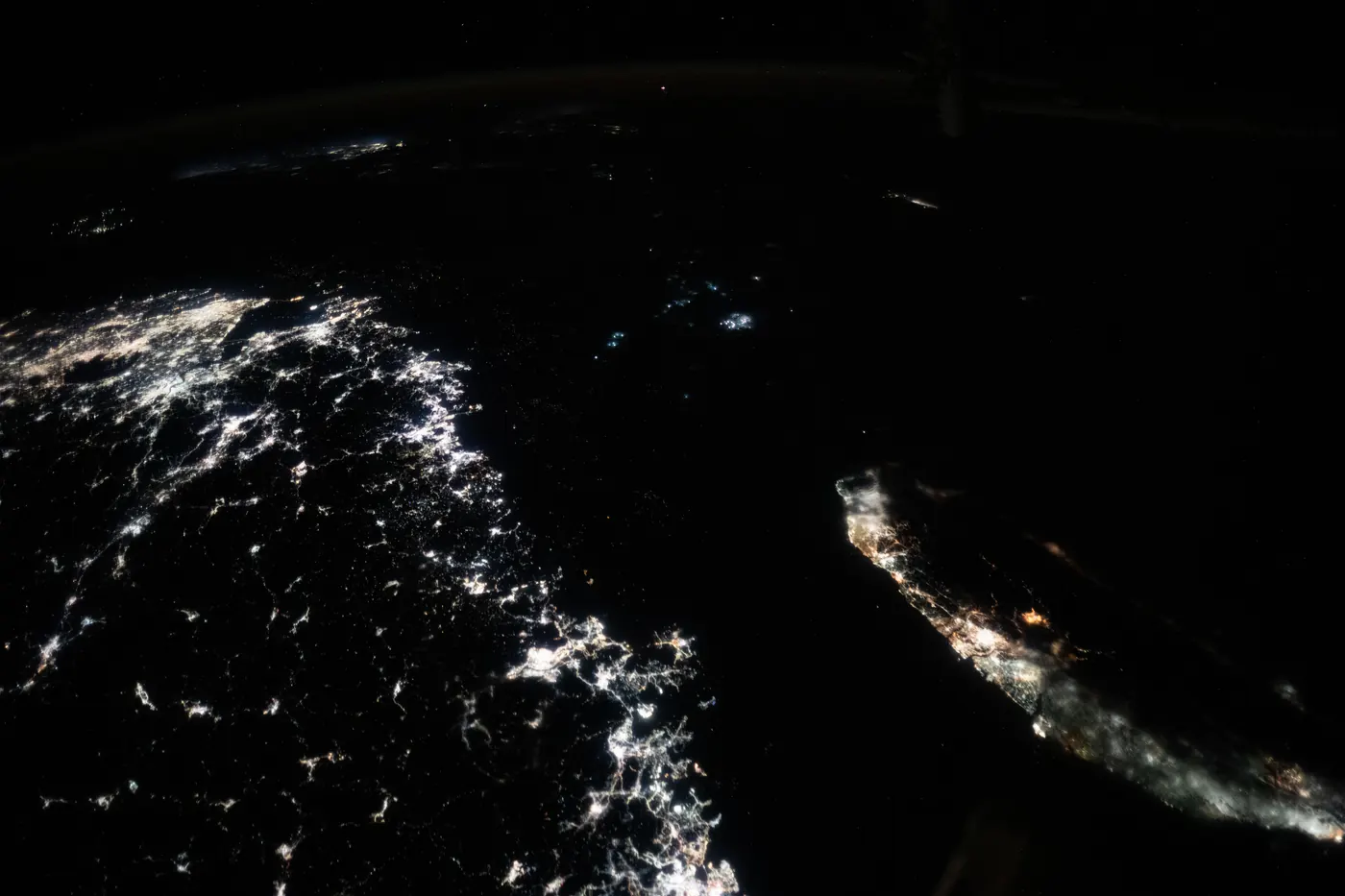
Takaichi said Japan could use force if China attacked Taiwan. China said Japan crossed a red line.
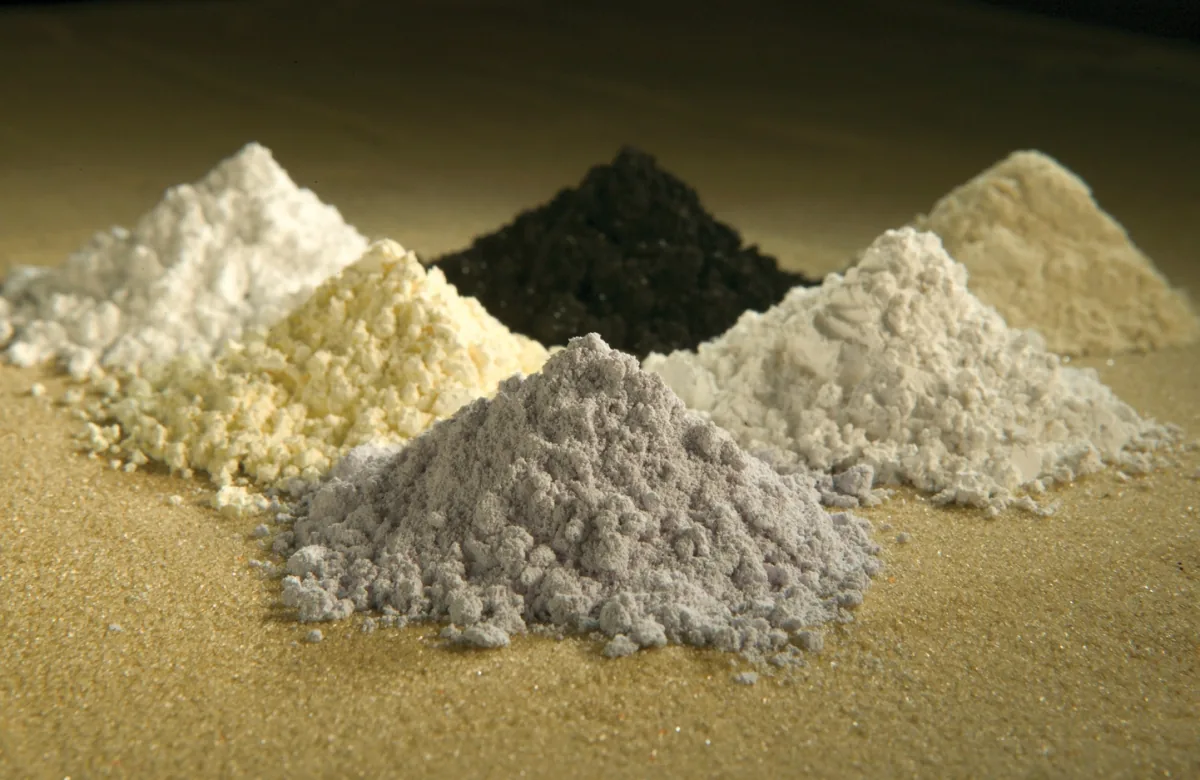 Resource
Rare earths
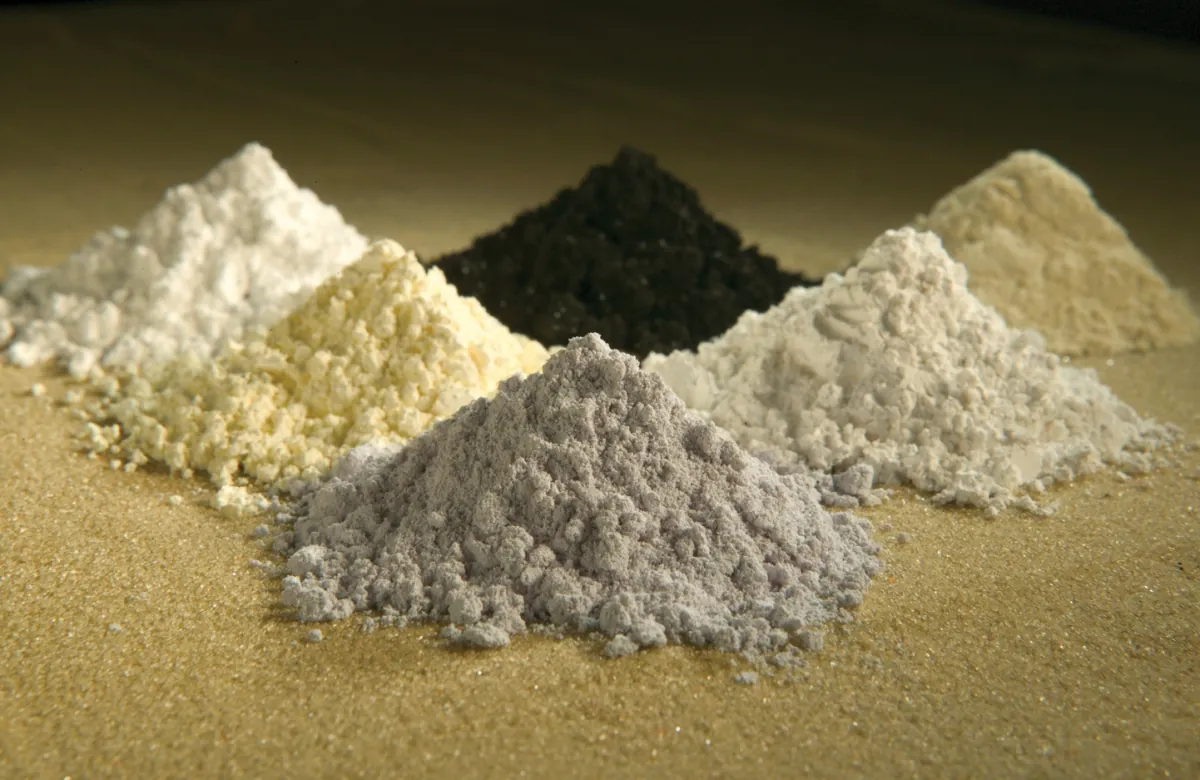
China refined 85% of the world's rare earths in 2025. Since January 2026 it has banned dual-use exports to Japan's military users.
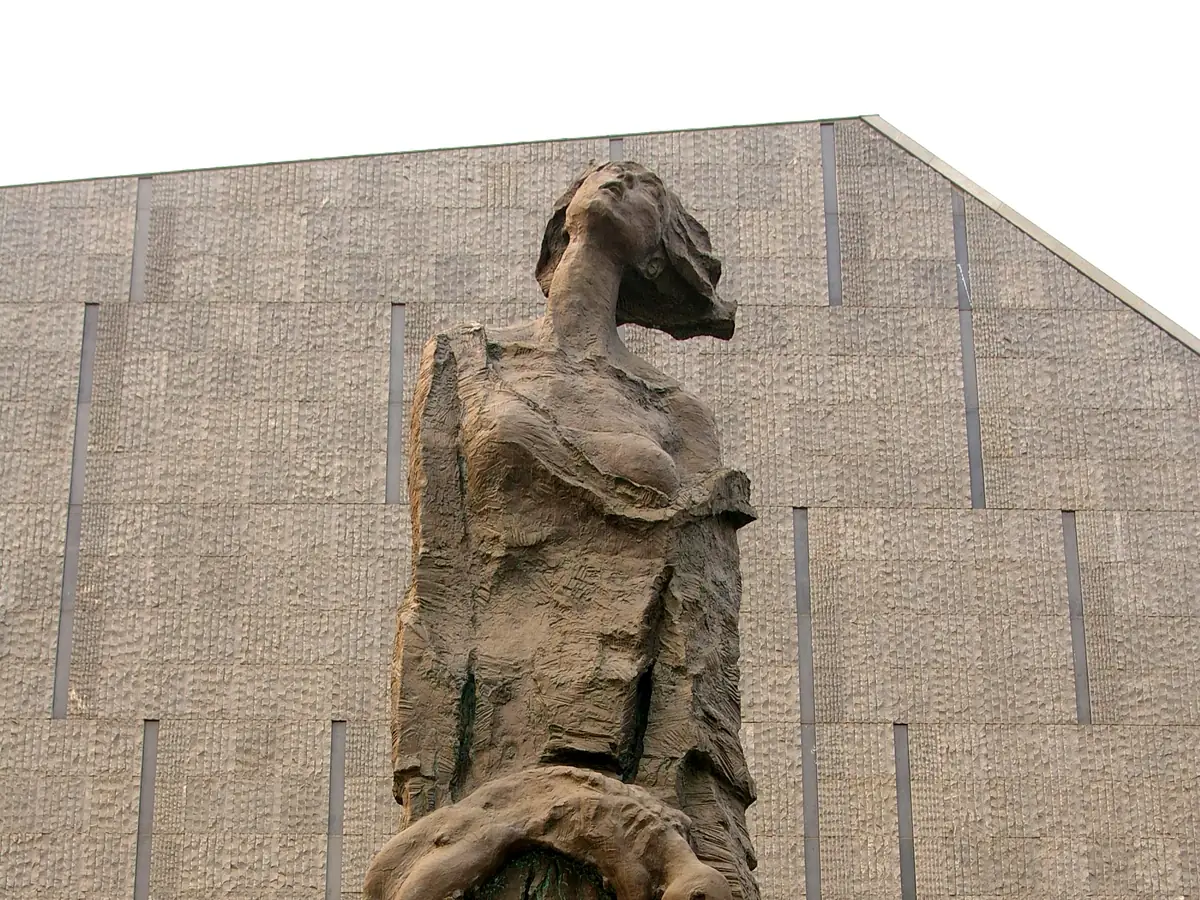 History
The wars of 1894 and 1937
China says Japan has never fully faced its wartime past. Japan points to its apologies.
Who sides with China, and who with Japan?
Japan has a defense treaty with the United States. China has a partnership with Russia and a treaty with North Korea. South Korea and Taiwan have ties to both sides.
With China
 RussiaPartnership "with no limits" since 2022; joint bomber flights near Japan
 North KoreaChina's only treaty ally, since 1961; has fired missiles over Japan
With Japan
 United StatesTreaty ally since 1952, about 54,000 troops in Japan
 AustraliaQuad member; troop access agreement since 2023
 PhilippinesTroop access agreement signed in 2024
 IndiaQuad member; disputes its border with China
Between the two
 South KoreaUS treaty ally; disputes the Dokdo islets (Takeshima to Japan) with Japan; China is its largest trading partner
 TaiwanClaimed by China; close to Japan, but claims the Senkaku Islands as Diaoyutai
Why are China and Japan rivals?
For most of recorded history, China was the center of East Asian civilization, and Japan learned from it. Japan adopted Chinese characters, Buddhism by way of Korea and China, and Chinese models of government.
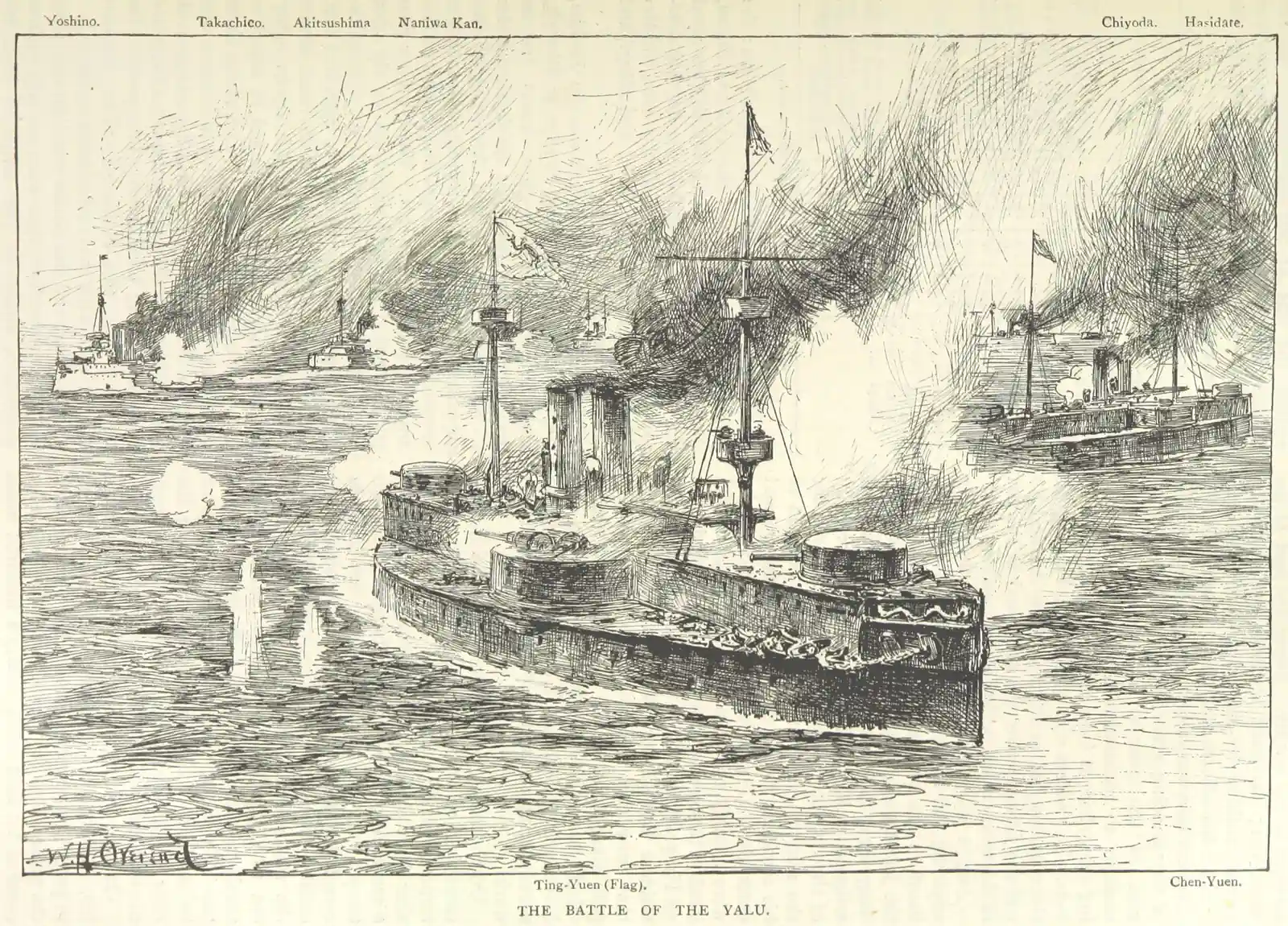
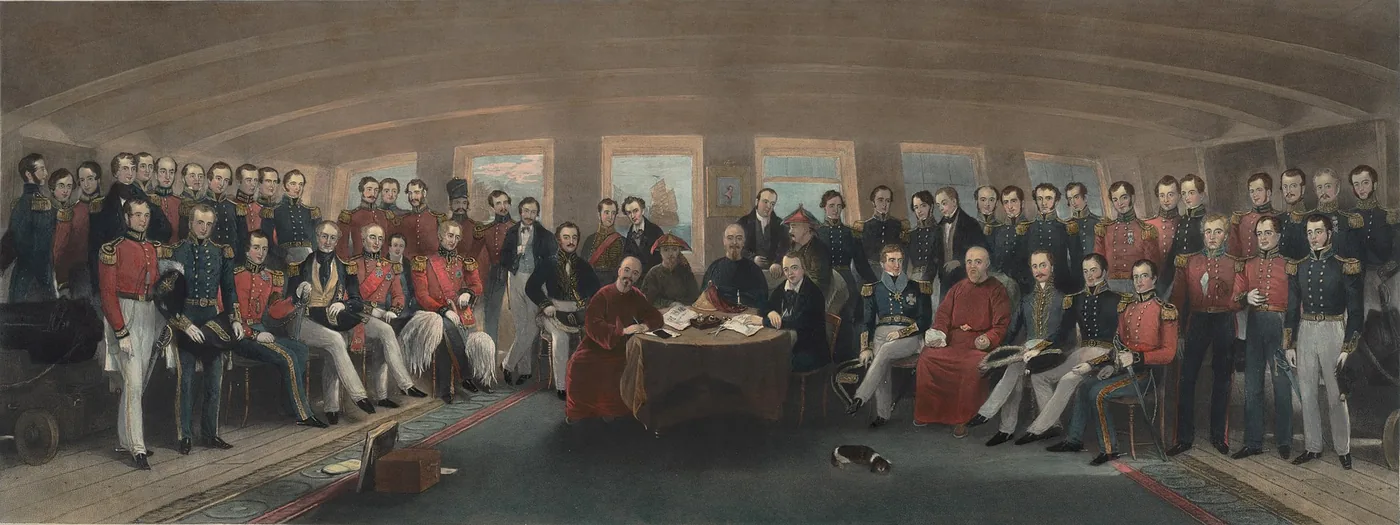
That changed after 1868, when Japan's Meiji Restoration rebuilt the country on Western lines within a generation. In 1894 Japan went to war with China over Korea and won. The Treaty of Shimonoseki of 1895 forced China to give up Taiwan and pay a large indemnity. Chinese historians count it among the worst defeats of China's "century of humiliation," because it came from a country China had long seen as its junior.
Japan seized Manchuria in 1931 and invaded the rest of China in 1937. The war lasted eight years and killed between 15 and 20 million Chinese people. China and Japan normalized relations in 1972. Since then, disputes over how Japan remembers the war have strained relations again and again.
Japan's government has its own complaints. Its 2022 National Security Strategy calls China's military buildup and conduct "the greatest strategic challenge" to Japan's peace and security. Japanese officials point to Chinese coast guard ships around the Senkaku Islands. Japan's government called China's 2023 seafood ban scientifically unfounded and its 2026 export listings unacceptable. China's government says the responsibility for the crisis lies with Japan, and it accuses Japan of "remilitarization."
How the rivalry grew
- 1894-95Japan defeats China. In the Treaty of Shimonoseki, China gives Japan Taiwan.
- 1931Japan seizes Manchuria.
- 1937-45Japan invades China. Japanese troops massacre civilians and prisoners in Nanjing.
- 1972China and Japan normalize relations.
- 2010A Chinese trawler collides with Japanese coast guard ships near the Senkaku Islands. Japan arrests its captain.
- 2012Japan's government buys three of the Senkaku Islands. Anti-Japanese protests spread across China.
- 2023China bans Japanese seafood after Japan begins releasing treated water from the Fukushima nuclear plant.
- Nov 2025Takaichi says a Chinese attack on Taiwan could lead Japan to use force.
- Dec 2025Japan says Chinese carrier jets locked their fire-control radar on Japanese fighters. China calls the claim false.
- 2026China bans dual-use exports to Japan's military users and puts 40 Japanese entities on an export control list.
What did Japan do to China in World War II?
In December 1937, after capturing Nanjing, then China's capital, Japanese troops killed civilians and prisoners of war over about six weeks. China's government says 300,000 people were killed. The Tokyo war crimes tribunal of 1946-48 put the toll at more than 200,000. Many historians give 100,000 to 200,000. The lowest estimates, which count only the city itself, are about 40,000. Japanese soldiers also raped thousands of women, about 20,000 by the most common estimate. John Rabe, a German businessman and Nazi Party member, led the committee that ran a safety zone for about 250,000 people.
The Japanese military also forced women, mostly Korean and Chinese, into sexual slavery in what it called comfort stations. Estimates of their number range from about 20,000 to more than 200,000. In 1993 Japan's government acknowledged the military's role and apologized.
Japan has apologized for the war. In 1995, Prime Minister Tomiichi Murayama acknowledged Japan's "colonial rule and aggression" and offered a "heartfelt apology." From 1979 to 2022, Japan gave China more than 3 trillion yen in development aid. But Japanese prime ministers have visited the Yasukuni Shrine, which honors Japan's war dead, including 14 leaders convicted or charged as Class-A war criminals. The last sitting prime minister to visit was Shinzo Abe, in 2013. Takaichi has sent offerings to the shrine but has not visited it as prime minister. Some government-approved textbooks have played down the Nanjing Massacre. China's government says the shrine visits and textbooks show that Japan has not faced its past.
1937-1945
15 to 20 million
Chinese killed in the Second Sino-Japanese War
China fought Japan from 1937, longer than any other Allied power. Only the Soviet Union lost more people in World War II.
Why did relations break down over Taiwan?
On November 7, 2025, Prime Minister Sanae Takaichi told Japan's parliament that a Chinese attack on Taiwan using warships could be a "survival-threatening situation." Under Japan's 2015 security laws, that would allow Japan's forces to fight alongside an ally such as the United States. Takaichi said her answer matched the government's longstanding position, and she has refused to withdraw it. Taiwan was a Japanese colony from 1895 to 1945. It lies about 110 km from Yonaguni, Japan's westernmost island. Takaichi became Japan's first female prime minister in October 2025. Her Liberal Democratic Party won 316 of 465 seats in a snap election in February 2026, the most any single party has won since World War II.
China's foreign ministry called Takaichi's remarks "egregious" and demanded that she retract them. On November 8, Xue Jian, China's consul general in Osaka, posted on X about cutting off "that dirty neck." Japan protested, and the post was deleted. Foreign Minister Wang Yi said Japan had "crossed a red line." On November 14, China told its citizens to avoid travel to Japan. China then halted Japanese seafood imports again, five months after easing a ban imposed in 2023. Chinese airlines cut flights to Japan. In January 2026 the last two pandas in Japan went back to China, leaving the country without pandas for the first time in about 50 years.
On January 6, 2026, China banned exports of dual-use goods, items with both civilian and military uses, to Japan's military users. Some rare earths are among those goods. In February and June 2026, China put 40 Japanese companies and institutions on its export control list, including units of Mitsubishi Heavy Industries and the space agency JAXA. It put 40 more on a watch list. China says it is acting against Japan's "remilitarization." Japan's government called the listings unacceptable and asked China to withdraw them.
Xi Jinping and Takaichi have met once, for about 30 minutes at the APEC summit in Gyeongju, South Korea, on October 31, 2025. That was a week before her remarks. Since then, Chinese officials have said China will not change course unless Takaichi takes her words back. Japanese lawmakers visited Beijing in August 2026, and Takeshi Iwaya, a former foreign minister, met Wang Yi in September. On October 27, 2026, Xi sent condolences on the death of former Prime Minister Yasuo Fukuda and urged Japan's leaders to "safeguard the political foundation" of relations. Takaichi plans to attend the APEC summit in Shenzhen, China, on November 18-19, 2026. Japan's government is still trying to arrange a meeting with Xi there.
China's measures against Japan since November 2025
 Travel warningCitizens told to avoid Japan since November 14, 2025
- Seafood banJapanese seafood imports halted again, November 2025
- Flight cutsChinese airlines cut flights to Japan
- Dual-use export banExports to Japan's military users banned, January 2026
- Export control list40 Japanese entities added, February and June 2026
- Senkaku patrolsNew coast guard patrols announced, November 2025
How is Japan arming itself?
Japan spent $62.2 billion on its military in 2025, the 10th most in the world, according to SIPRI. That was 1.4% of GDP, Japan's highest share since 1958. Japan's government uses a wider measure that also counts coast guard and other security spending. By that measure, Japan reached its target of 2% of GDP in FY2025, two years early, through a supplementary budget passed in December 2025. In August 2026 the Defense Ministry asked for a record 8.9 trillion yen for FY2027. The government plans to revise its three main security documents by the end of 2026.
Article 9 of Japan's 1947 constitution renounces war. The government reads it as allowing forces for self-defense. Japan has about 247,000 active troops and hosts about 54,000 US troops. In March 2026 Japan deployed its first long-range missiles, upgraded Type 12 missiles with a range of about 1,000 km, at a camp in Kumamoto. It is also buying 400 Tomahawk cruise missiles from the United States. China's government calls the buildup a sign of Japan's "remilitarization."
China spent $335.5 billion on its military in 2025, by SIPRI's estimate, more than five times Japan's spending. China has 2,035,000 active troops and about 620 nuclear warheads. Japan has no nuclear weapons. China's navy is the largest in the world by number of ships.
Military spending in 2025 ($ billions, SIPRI)
- China$335.5B
 Japan$62.2B
- South Korea$47.8B
- Taiwan$18.2B
Questions about the China-Japan rivalry
Are China and Japan enemies?
They are rivals. They are not at war, they have full diplomatic relations, and they traded $304 billion of goods in 2025. But relations have been in a deep crisis since November 2025, when Prime Minister Takaichi spoke about Taiwan. China has told its citizens to avoid Japan, halted Japanese seafood imports and restricted exports to Japan's military users.
Why does China hate Japan?
Polls find that large majorities in both countries view the other unfavorably. In Genron NPO's 2024 poll, 87.7% of Chinese respondents had an unfavorable view of Japan, and 89% of Japanese respondents had an unfavorable view of China. Chinese grievances go back to Japan's invasions of 1894-95 and 1937-45. Between 15 and 20 million Chinese died in the second war. China says Japanese shrine visits and textbooks show that Japan has not faced that past. Japan's government says it has apologized, and it calls China's military buildup its greatest strategic challenge.
Who would win a war between China and Japan?
China has more than eight times as many active troops as Japan, spends more than five times as much on its military, and has about 620 nuclear warheads. Japan has none. But under Article 5 of their security treaty, the United States is committed to act if territory Japan administers, including the Senkaku Islands, is attacked.
Does Japan own the Senkaku Islands?
Japan controls them and says there is no dispute. China claims them as Diaoyu Dao and says Japan took them during the war of 1894-95. Taiwan also claims them. Chinese coast guard ships sailed in the waters next to the islands on 357 days in 2025.
What did China do after Japan's Taiwan remarks?
After Prime Minister Takaichi said in November 2025 that Japan could use force if China attacked Taiwan, China told its citizens to avoid Japan, halted Japanese seafood imports and cut flights. In 2026 it banned dual-use exports to Japan's military users and put 40 Japanese companies and institutions on its export control list.