Country profile · North Africa
 Morocco
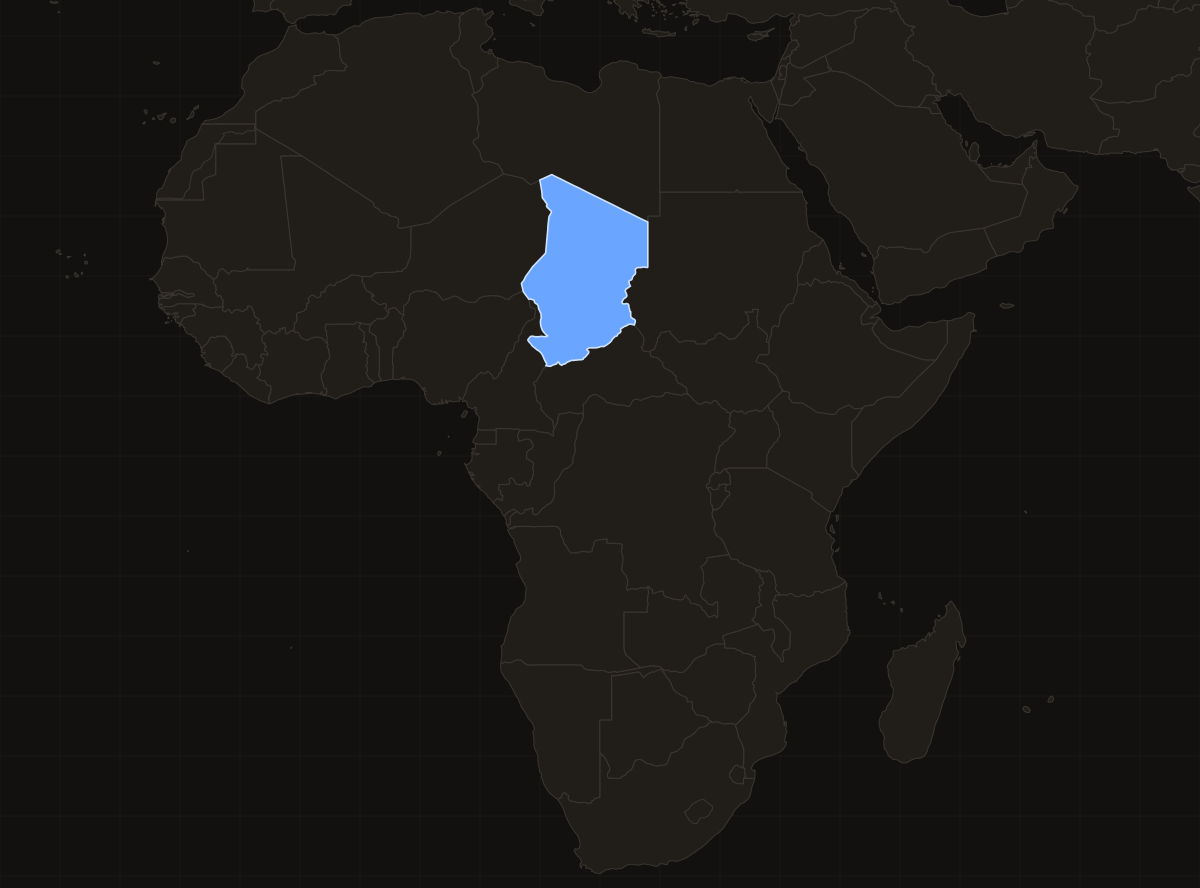
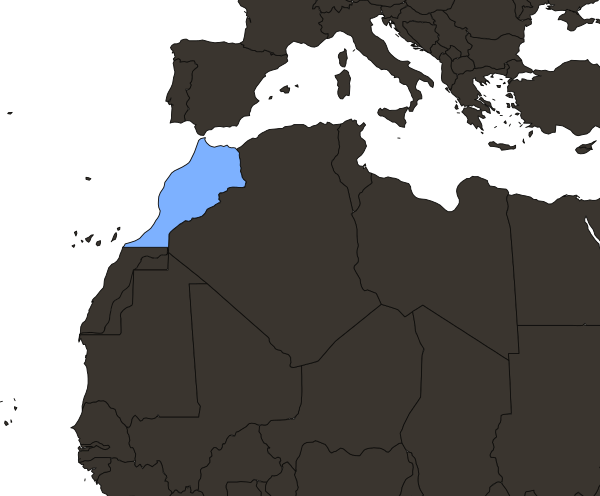
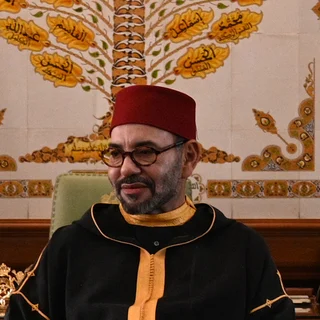
 has 38.4 million people (2025) and is ruled by King Mohammed VI, whose family has held the throne since 1666. Morocco claims Western Sahara, a former Spanish colony to its south, and holds about 80% of it. Its rival Algeria backs the Polisario Front, which wants Western Sahara to be independent.
Where Morocco ranks
All rankings →Which alliances is Morocco in?
All alliances →Morocco's relations with other countries
All relations →Disputed territories involving Morocco
All disputed territories →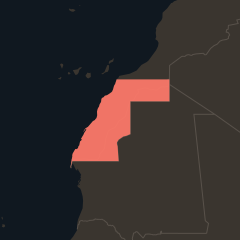
Armed groups in Morocco
All armed groups →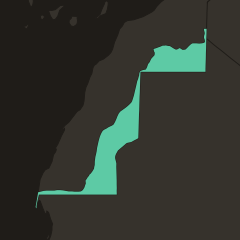
How does Morocco vote at the UN?
Morocco's voting record → With China
 With India
 With Russia
Share of recorded UN General Assembly votes on which Morocco and each country voted the same way, 2025.
Who runs Morocco?
King Mohammed VI rules Morocco. He became king on July 23, 1999, at 35, when his father, Hassan II, died. Under the 2011 constitution the king commands the armed forces, chairs the council of ministers and, as "Commander of the Faithful," is the highest religious authority. He trained with Jacques Delors in Brussels in 1988 and earned a doctorate in law in Nice in 1993. The royal family's holding company, Al Mada, holds a stake in Attijariwafa Bank. The king picks the head of government from the party that wins the most seats. In the election of September 23, 2026 the Authenticity and Modernity Party (PAM) came first with 97 of 395 seats (chart), on a turnout of 38%. On September 29 the king named PAM's Fatima Ezzahra El Mansouri, a former mayor of Marrakesh, as the first woman to lead a Moroccan government. Her coalition of PAM, the Istiqlal Party, the Socialist Union of Popular Forces (USFP) and the Party of Progress and Socialism (PPS) holds 207 seats. The king appointed her government on October 16. Foreign Minister Nasser Bourita and Interior Minister Abdelouafi Laftit kept their posts. On October 22, 2026 the House of Representatives approved her program by 204 votes to 127, which formally installed her government.
- PAM, Istiqlal, USFP and PPS (the government) 207
- National Rally of Independents (RNI) 66
- Justice and Development Party (PJD) 54
- Other parties 68
Photo (2022): Pool Moncloa / Borja Puig de la Bellacasa, Wikimedia Commons, free with attribution
Who are Morocco's allies and enemies?
Algeria is Morocco's main rival. The two fought a border war, the Sand War, in 1963. Algeria closed the border in 1994 and cut diplomatic ties in August 2021. It hosts the Polisario Front, which wants Western Sahara to be independent. Morocco's friendships follow its claim to Western Sahara. The United States recognized Moroccan sovereignty there in December 2020, when Morocco agreed to restore ties with Israel. Israel followed in July 2023 and France in July 2024. Spain, the United Kingdom and the European Union back Morocco's plan to give the territory autonomy, but they do not recognize Moroccan sovereignty. Spain is also Morocco's largest trade partner. On July 30 and 31, 2026 about 72,000 people crossed irregularly into Ceuta, a Spanish city on the Moroccan coast, and more than 80 died. A Spanish judge is investigating whether Moroccan agents guided them. Morocco denies it.
Allies and partners
 United StatesRecognized Moroccan rule over Western Sahara in 2020
 FranceBacks Moroccan sovereignty since July 2024
 SpainLargest trade partner, backs the autonomy plan
 IsraelTies since 2020; embassies agreed in September 2026
 United Arab EmiratesFirst Arab consulate in Western Sahara, 2020
Rivals
 AlgeriaCut ties in 2021, hosts the Polisario
- Polisario FrontFights for an independent Western Sahara
 IranMorocco cut ties in May 2018
 South AfricaRecognizes the Sahrawi republic
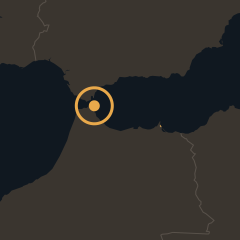
- Ceuta Spanish city claimed by Morocco. About 72,000 people crossed into it on July 30 and 31, 2026.
- Melilla Spanish city claimed by Morocco.
- Tindouf camps Camps in Algeria for Sahrawi refugees, and the base of the Polisario Front.
- Guerguerat Crossing to Mauritania. Morocco broke a Polisario blockade here in November 2020, and the Polisario declared the ceasefire over.
- Morocco
- Partner
- Rival
- Disputed
Who does Morocco trade with?
Spain and France bought 41.2% of Morocco's goods exports in 2024 (chart). Cars are the largest export: the car industry earned 154.5 billion dirhams abroad in 2025, about a third of goods exports. Renault builds cars in Tangier and Casablanca, and Stellantis in Kenitra. Morocco made 493,004 passenger cars in 2025, more than any other African country. Phosphates and fertilizers were 21.3% of exports. The state company OCP sells about 30% of the world's traded phosphate fertilizer. In 2025 exports covered only 57% of imports. Money sent home by Moroccans abroad (122 billion dirhams) and tourism (a record 19.8 million arrivals, about half of them Moroccans living abroad) fill much of the gap. Tanger Med is the largest container port in Africa and the Mediterranean. In 2026 the closure of the Strait of Hormuz tripled the price of the sulfur OCP needs to make fertilizer.


Goods, 2024, the latest year Morocco has published by partner. Shares of Morocco's exports and imports, from the Office des Changes.
How strong is Morocco's military?
Morocco has 195,800 active troops, more than Algeria's 139,000. But Algeria spends about four times as much: $25.4 billion against $6.3 billion in 2025 (SIPRI; chart), or 8.8% of GDP against 3.5%. In 2019 Morocco brought back 12 months of military service for ages 19 to 25. Morocco was Africa's largest arms importer from 2021 to 2025, buying 60% from the United States, 24% from Israel and 10% from France. It has ordered 25 new F-16 fighters, none delivered yet, and received its first Apache helicopters in March 2025. It flies Turkish Bayraktar drones, and an Israeli company opened a factory for loitering munitions in Morocco in November 2025. In February 2026 Morocco became the first Arab country to commit troops to the stabilization force in Gaza. It has no nuclear weapons. Moroccan and Algerian troops last fought each other at Amgala, in Western Sahara, in 1976.
Which country has the biggest army? Largest armies in the world →

Why does Morocco claim Western Sahara?
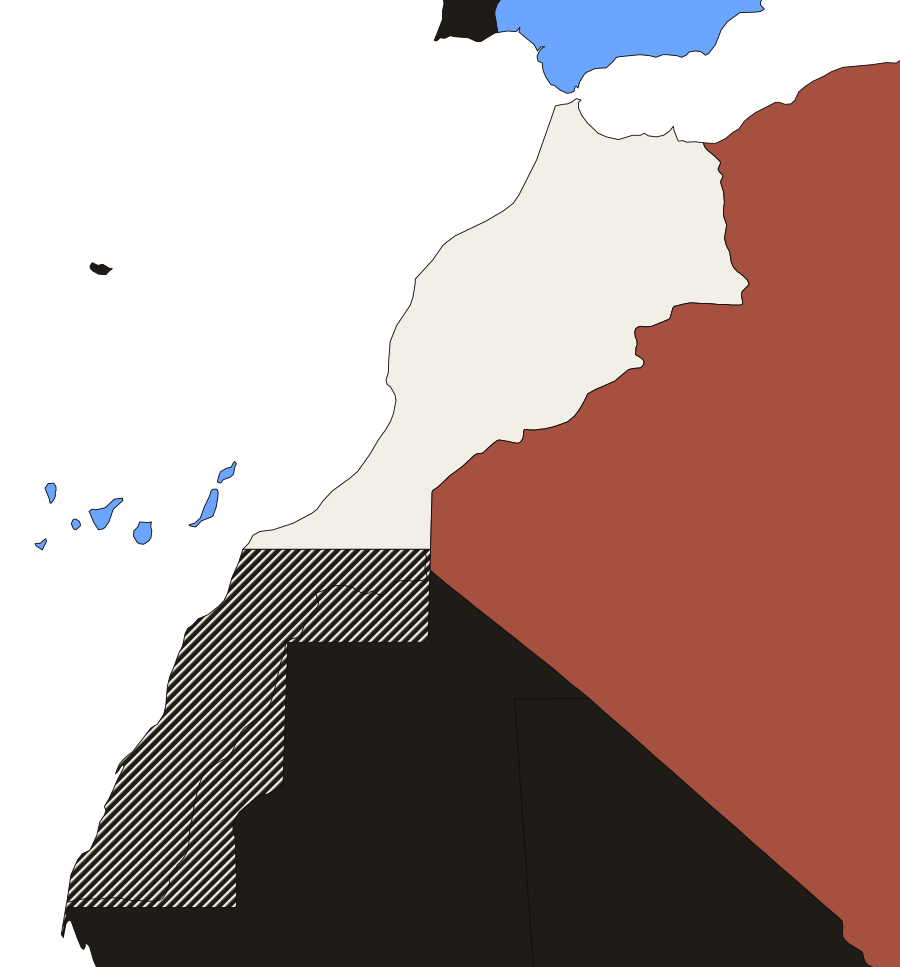
Morocco says Western Sahara, a former Spanish colony of about 600,000 people, belonged to the Moroccan kingdom before Spain took it. In October 1975 the International Court of Justice found "legal ties of allegiance" between the Moroccan sultan and some of its tribes, but "no tie of territorial sovereignty." Three weeks later about 350,000 Moroccans walked into the territory in the Green March. Spain then split it between Morocco and Mauritania, which gave up its share in 1979. The Polisario Front fought Morocco until a UN ceasefire in 1991. The ceasefire broke down in November 2020, and low-level fighting has continued along the wall since. A promised UN referendum never took place, because the two sides could not agree on who could vote. Morocco built a sand wall about 2,700 km long and holds about 80% of the territory (map). In October 2025 the UN Security Council called for talks "taking as basis" Morocco's plan for autonomy under Moroccan rule, while keeping the people's right to self-determination. Talks led by the United States in early 2026 produced no deal. On October 30, 2026 the Security Council failed to renew MINURSO, the UN mission that had watched the ceasefire since 1991. Russia vetoed a US draft that would have made the autonomy plan the only basis for talks. A Russian draft to renew the mission unchanged won only three votes. The mission's mandate ran out on October 31, and Morocco's royal palace said the mission should leave "in the coming days." The UN began closing the mission on November 1. On November 4 King Mohammed VI put the Interior Ministry in charge of the period after it, and the palace said Morocco's commitment to the ceasefire would not change. On November 10 the Polisario Front declared a "general mobilization." The first UN military observers left Laayoune on November 16, and the UN aims to finish the withdrawal by January 31, 2027.