Relations · South Caucasus

Armenia-Azerbaijan relations

HostileNo relations yet, but a peace treaty is initialed

Armenia and Azerbaijan are not at war, but they have never had diplomatic relations. They fought three wars over Nagorno-Karabakh, which Azerbaijanis call Karabakh and Armenians call Artsakh. Azerbaijan has controlled the whole region since a one-day offensive in September 2023. Their foreign ministers initialed a peace treaty at the White House on August 8, 2025, but Azerbaijan says it will not sign until Armenia changes its constitution. No one has been killed on the border since February 2024, and trade between them began in late 2025.

Updated November 18, 2026 · Votes from the UN

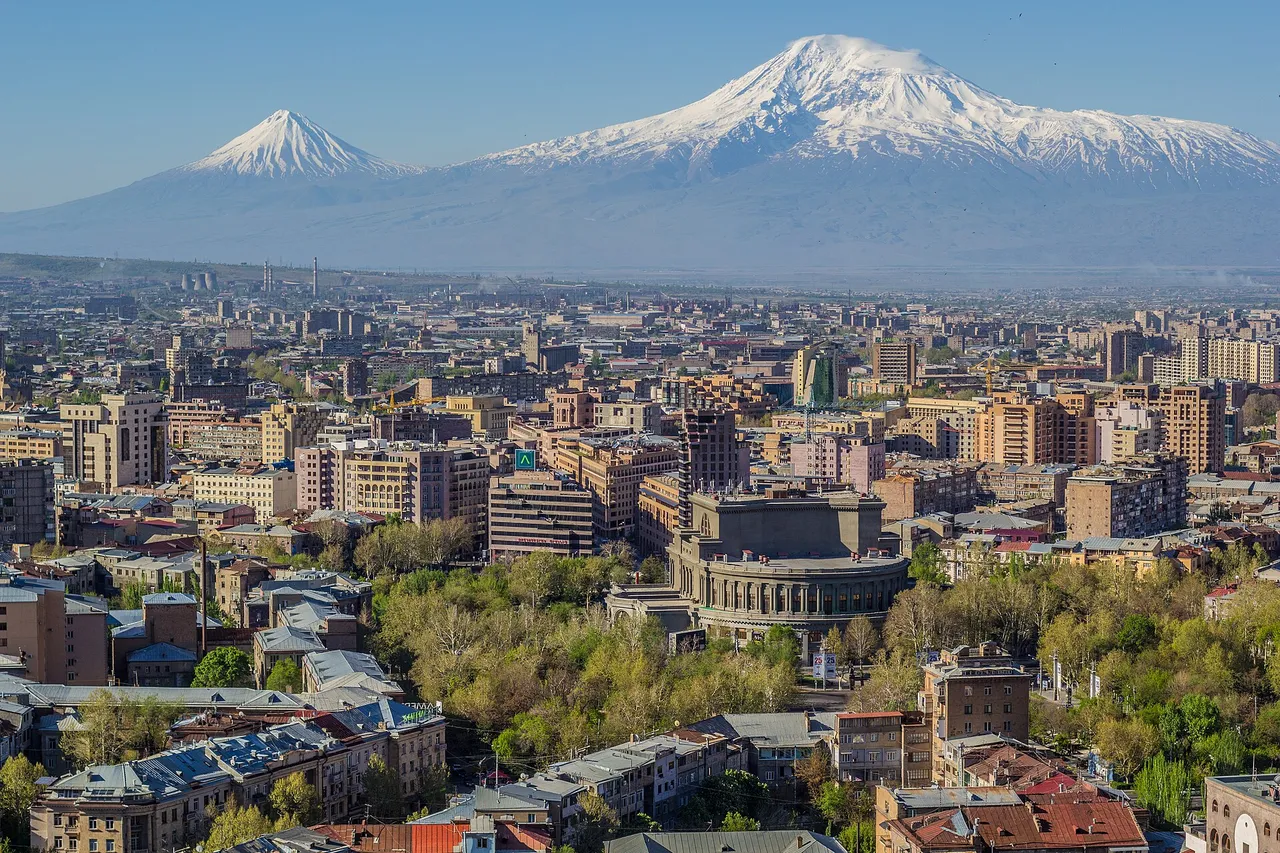
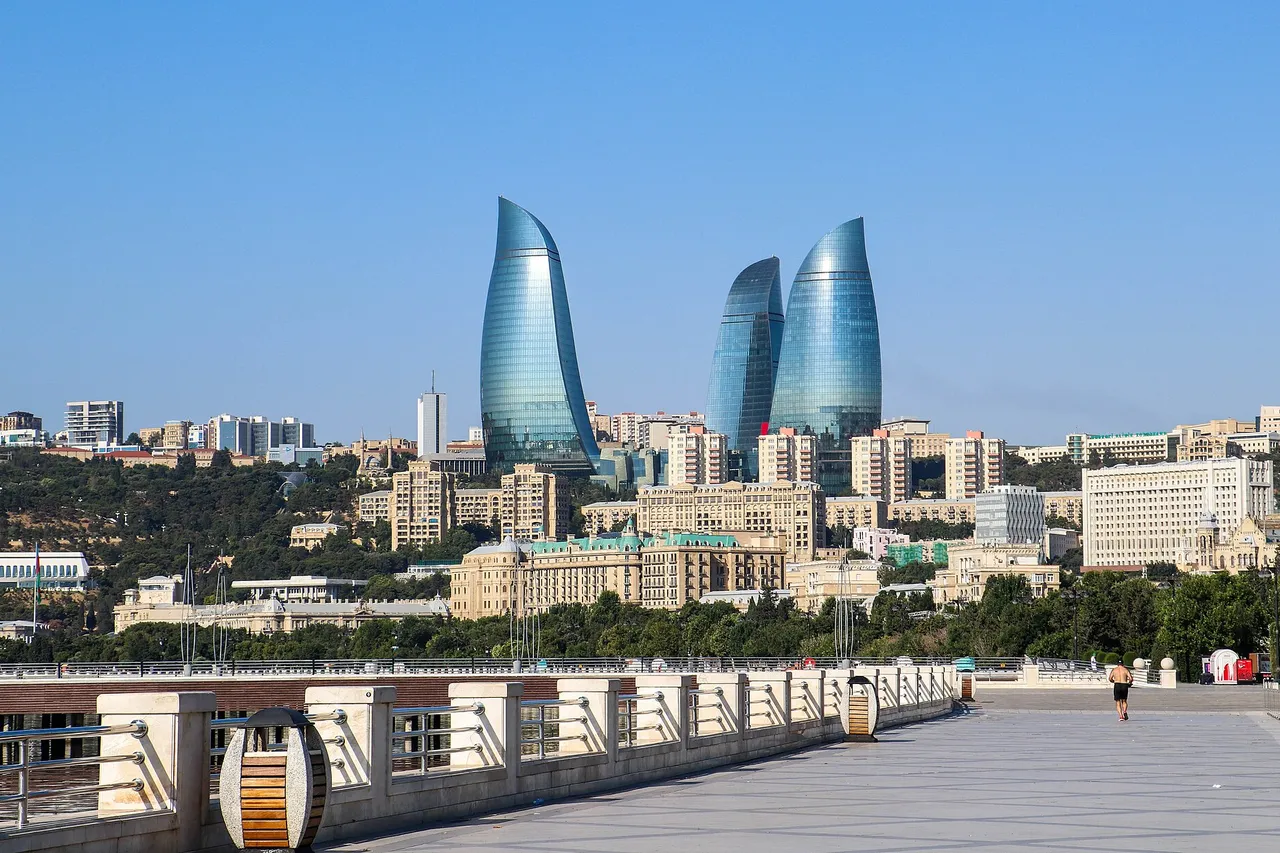
Mount Ararat, snow-covered, rises behind the rooftops of Yerevan, with the round Opera house in the center Three curved glass towers rise over the city behind a wide seaside promenade
Mount Ararat, in Turkey, above Yerevan, April 2014. Photo: Serouj Ourishian, Wikimedia Commons, CC BY-SA 3.0 · The Flame Towers seen from Baku Boulevard, July 2024. Photo: Rufatazizzade, Wikimedia Commons, CC BY-SA 4.0
  • NeverDiplomatic relations established
  • $23.5mAzerbaijani goods sold to Armenia, Jan-Sep 2026
  • 3 warsThe last ended in November 2020
  • 95%Same UN votes in 2025
  • 100,000+Armenians who fled Karabakh in 2023
  • 187,000People born in Azerbaijan living in Armenia

Where relations stand today

Checked November 18, 2026

The leaders meet regularly and trade has started, but the peace treaty remains unsigned. Azerbaijan demands that Armenia change its constitution first, and Armenia says 19 Armenians are still held in Baku.

Latest

  • Parliament speaker Ruben Rubinyan said Armenia rejects Azerbaijan's demand to tie the treaty to a new constitution and is ready to sign now. Prime Minister Nikol Pashinyan had promised for November a draft constitution without the reference to the 1990 Declaration of Independence, but it had not been published by November 18.
  • Azerbaijan's President Ilham Aliyev and Pashinyan met in Dublin and discussed the border, trade, the TRIPP railway and road, and linking their power grids. They noted that 105,000 tons of cargo had reached Armenia through Azerbaijan since November 2025.
  • Armenia's parliament ratified the TRIPP framework agreement with the United States, 63 votes to 32. The same day Foreign Minister Ararat Mirzoyan said Armenia is ready to sign the peace treaty by the end of 2026 or in 2027.
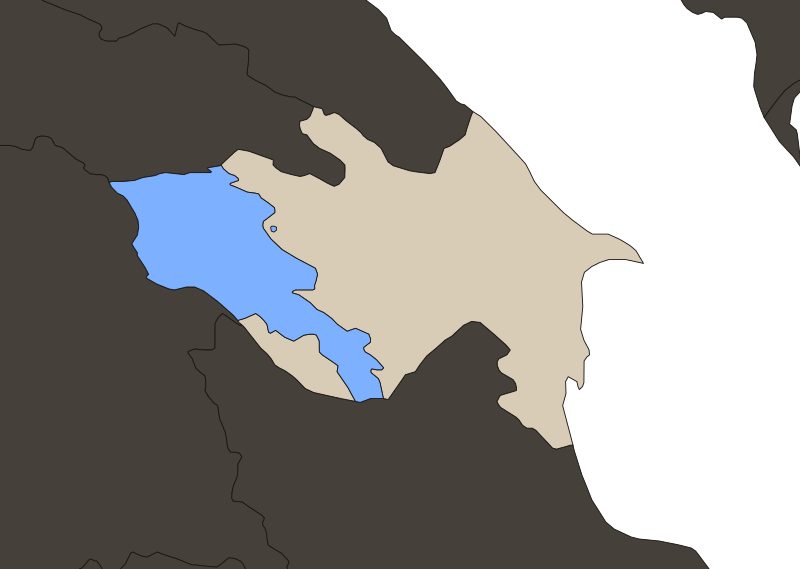
Map of the South Caucasus showing Armenia, Azerbaijan, the Nagorno-Karabakh region and Azerbaijan's Nakhchivan exclave Armenia Azerbaijan Nagorno-Karabakh Nakhchivan

Why are Armenia and Azerbaijan still not at peace?

What ties them

  • Peace talks. The two sides finished a 17-article treaty text in March 2025 and initialed it at the White House in August 2025. Armenia's Foreign Minister Ararat Mirzoyan said in October 2026 that signing could come by the end of 2026 or in 2027.
  • Trade and transit. Azerbaijan lifted its transit ban on goods to Armenia on October 21, 2025. It sent its first fuel shipment in December 2025 and sold $23.45 million of goods to Armenia in the first nine months of 2026.
  • TRIPP. The Trump Route for International Peace and Prosperity is a planned road and railway of about 43 km through Armenia's Syunik, linking mainland Azerbaijan to its Nakhchivan exclave. A company 74% owned by the United States will run it for 49 years.
  • Shared interests. Both governments want transit income from the Middle Corridor, the trade route between China and Europe across the Caspian Sea. Both also want to reduce Russia's leverage in the region.

What divides them

  • The constitution. Azerbaijan says Armenia's constitution, by citing the 1990 Declaration of Independence, contains a territorial claim to Karabakh. Azerbaijan will not sign the treaty until Armenia removes the reference. Armenia denies any claim but plans a new constitution, with a referendum in 2027.
  • Prisoners. Armenia says 19 Armenians are held in Baku, including former Karabakh leaders sentenced to life in February 2026 after trials Armenia and rights groups call unfair. Azerbaijan says they committed war crimes and terrorism and that the trials were lawful.
  • Memory of the wars. Azerbaijan remembers what it calls 26 years of occupation of a fifth of its land, the Khojaly killings and over 600,000 displaced Azerbaijanis. Armenia remembers the 2023 exodus of over 100,000 Karabakh Armenians, which Armenia and the European Parliament call ethnic cleansing, a term Azerbaijan rejects.
  • Border land. Armenia says Azerbaijani forces hold about 200 square kilometers of Armenian land taken in 2021 and 2022. Azerbaijan says delimitation on the Soviet-era borders should settle the line, including Soviet-era enclaves on both sides.

How much do Armenia and Azerbaijan trade?

Armenia and Azerbaijan had almost no direct trade from the early 1990s until late 2025. Azerbaijan lifted its transit ban on October 21, 2025, and sent its first fuel shipment to Armenia by rail through Georgia on December 18, 2025. Azerbaijan's State Customs Committee reported $23.45 million in exports to Armenia in January to September 2026, mostly gasoline and diesel, while imports from Armenia totaled about $96,500.

Have Armenia and Azerbaijan fought a war?

1918-1920

First Armenian-Azerbaijani war

Sides
Democratic Republic of Armenia against the Azerbaijan Democratic Republic
Fought over
Karabakh, Zangezur (now Armenia's Syunik) and Nakhchivan
Result
No winner. The Red Army took Azerbaijan in April 1920 and Armenia later that year.

1988-1994

First Nagorno-Karabakh war

Sides
Armenia and Karabakh Armenian forces against Azerbaijan
Result
Armenian forces held Karabakh and seven surrounding districts. A Russian-brokered ceasefire froze the war on May 12, 1994.
Deaths
About 15,000 (UNHCR estimate) to 30,000 (common estimates)
Displaced
Over 600,000 Azerbaijanis and over 400,000 Armenians, by Amnesty International's count
Nagorno-Karabakh →

2020

Second Karabakh war (44-day war)

Sides
Azerbaijan, with Turkish drones and Israeli arms, against Armenia and Karabakh Armenian forces
Result
Azerbaijan took Shusha and most of the seven districts, and Armenia handed back the rest. Russia sent 1,960 peacekeepers under a November 10 ceasefire.
Deaths
About 3,800 Armenian and 2,900 Azerbaijani soldiers, by their governments' counts
Nagorno-Karabakh →

A short history of Armenia-Azerbaijan relations

WarTreaty or peaceCrisis

First republics and Soviet borders · 1918-1923

  1. 1918Two republics declared independenceArmenia and Azerbaijan became independent on May 28, 1918, as the Transcaucasian federation broke up.
  2. 1918-1920War over Karabakh and ZangezurThe two republics fought over Karabakh, Zangezur and Nakhchivan. Hundreds to thousands of Armenians were killed in Shusha in March 1920.
  3. 1920Red Army takes both countriesThe Red Army took Baku on April 28, 1920, and Armenia later that year. Moscow drew the borders.
  4. 1921Karabakh goes to AzerbaijanIn early July 1921 the Caucasus Bureau of the Communist Party reversed a vote for Armenia and kept Nagorno-Karabakh in Soviet Azerbaijan. In 1923 it became an autonomous region there, with its capital at Khankendi, later renamed Stepanakert.

The first Karabakh war · 1988-1994

  1. 1988Karabakh votes to join ArmeniaThe region's council voted on February 20 to transfer to Soviet Armenia. Mobs attacked Armenians in Sumgait on February 27 to 29, killing 32 people by the Soviet count.
  2. 1990Baku pogrom and Black JanuaryArmenians were attacked in Baku from January 13. Soviet troops entered the city on January 19 and 20, killing at least 130 people.
  3. 1992KhojalyKarabakh Armenian forces took the town of Khojaly on February 25 to 26. Azerbaijan counts 613 civilians killed. Human Rights Watch counted more than 200 dead.
  4. 1994Bishkek ceasefireA Russian-brokered ceasefire froze the war on May 12, 1994. Armenian forces held Karabakh and seven surrounding districts.

Frozen conflict and new wars · 2001-2023

  1. 2001Key West talksPresidents Heydar Aliyev and Robert Kocharyan spent four days at the Truman Little White House in Key West, Florida, in talks opened by Colin Powell. No deal followed.
  2. 2016Four-day warThe worst fighting since 1994 killed at least 200 people in four days along the line of contact.
  3. 202044-day warAzerbaijan took Shusha and most of the seven districts, and Armenia handed back the rest. A November 10 ceasefire brought in 1,960 Russian peacekeepers. About 6,700 soldiers died, by the two governments' counts.
  4. 2023Azerbaijan takes KarabakhA one-day offensive on September 19 to 20, 2023, ended Armenian control. More than 100,000 Armenians fled to Armenia by early October.

Toward peace · 2024-2026

  1. 2024First border dealArmenia agreed on April 19 to hand four villages on the Tavush border to Azerbaijan. Azerbaijani border guards took them over on May 24.
  2. 2025White House summitOn August 8, 2025, Aliyev and Pashinyan signed a joint declaration with Donald Trump, and their foreign ministers initialed a 17-article peace treaty. Aliyev proposed that they jointly nominate Trump for the Nobel Peace Prize.
  3. 2025Transit ban lifted and first tradeAzerbaijan lifted its ban on goods crossing to Armenia on October 21. On December 18, 22 rail cars of gasoline left Baku for Armenia, the first Azerbaijani export there in over 30 years.
  4. 2026TRIPP ratified, treaty still unsignedArmenia's parliament ratified the TRIPP deal on October 28. The peace treaty remains unsigned because Azerbaijan demands that Armenia change its constitution first.

Treaties between Armenia and Azerbaijan

  • 1994Bishkek Protocol and ceasefire agreementEnded the first war's fighting. Parliament leaders agreed the protocol in Bishkek on May 5. Defense ministers, including Karabakh's Samvel Babayan, then signed a ceasefire that took effect on May 12, 1994.Ended in practice in 2020
  • 2020Trilateral ceasefire statementSigned on the night of November 9 to 10, 2020, by Aliyev, Pashinyan and Putin. It returned three districts to Azerbaijan, sent 1,960 Russian peacekeepers for five years and guaranteed movement along the Lachin corridor and a link to Nakhchivan.Largely superseded
  • 2024Tavush border dealAgreed on April 19, 2024. It set about 12.7 km of border, and Armenia handed four villages on this stretch to Azerbaijan on May 24.Implemented
  • 2024Border delimitation commission regulationSigned on August 30, 2024, in force since November 1, 2024. It governs how the two countries' commissions work together to draw the full border.In force
  • 2025Washington Joint DeclarationSigned on August 8, 2025, by Aliyev, Pashinyan and Trump. It commits both sides to peace, the opening of transport links and the TRIPP project.Signed
  • 2025Agreement on Establishment of Peace and Inter-State RelationsA 17-article treaty covering mutual recognition of borders, diplomatic relations after ratification, no territorial claims and no third-party forces on the border. Initialed by foreign ministers Mirzoyan and Bayramov in Washington on August 8, 2025.Never ratified

Both are in

CIS

Only Armenia

EAEU

Only Azerbaijan

OPEC+NAM

How often do Armenia and Azerbaijan vote the same way at the UN?

In 2025, Armenia and Azerbaijan voted the same way on 95% of the recorded votes in the UN General Assembly. Armenia and Azerbaijan vote the same way on most UN General Assembly resolutions. Their agreement rate has stayed between 84% and 95% every year since 1992, and it reached 95% in 2025. Compare their votes →

Abstaining while the other votes yes or no counts as half agreement. Data: UN Digital Library voting data, 1992 to 2025.

How well do you know Armenia and Azerbaijan?

10 questions on their wars, treaties, trade and size. About three minutes, no signup.

Armenia vs Azerbaijan: how they compare

All rankings →

Questions about Armenia and Azerbaijan

Are Armenia and Azerbaijan still at war?

No. The last war ended on November 10, 2020. The last deadly clash was on February 13, 2024, when Azerbaijani fire killed four Armenian soldiers. Their foreign ministers initialed a peace treaty at the White House on August 8, 2025. The two countries still have no diplomatic relations, and the treaty is unsigned.

Did Armenia and Azerbaijan sign a peace deal?

They signed a joint declaration with Donald Trump on August 8, 2025, and their foreign ministers initialed a 17-article treaty the same day. The treaty itself is not signed. Azerbaijan wants Armenia to change its constitution first. Armenia's foreign minister said in October 2026 that signing could come by the end of 2026 or in 2027.

Who controls Nagorno-Karabakh now?

Azerbaijan has controlled all of it since its one-day offensive on September 19 and 20, 2023. More than 100,000 of the region's roughly 120,000 Armenians fled to Armenia within two weeks. Armenia accepts the region as part of Azerbaijan under the initialed treaty.

What is the Trump Route (TRIPP)?

The Trump Route for International Peace and Prosperity is a planned road and railway of about 43 km across southern Armenia, linking mainland Azerbaijan to its Nakhchivan exclave and Turkey beyond. A company 74% owned by the United States will run it for 49 years under Armenian law. Armenia's parliament ratified the deal on October 28, 2026.

Do Armenia and Azerbaijan trade with each other?

Barely, and only since late 2025. Azerbaijan lifted its transit ban on October 21, 2025, and sent its first fuel to Armenia on December 18, 2025. It sold $23.45 million of goods to Armenia in January to September 2026, mostly gasoline and diesel. Armenia sold only about $96,500 to Azerbaijan in the same period.

How many people died in the wars over Nagorno-Karabakh?

The 1988 to 1994 war killed about 15,000 people by the UNHCR's estimate and about 30,000 by common estimates. In the 44-day war of 2020, about 3,800 Armenian and 2,900 Azerbaijani soldiers died, by their governments' counts. The September 2022 fighting killed about 300, and the September 2023 offensive killed about 200 on each side, by each side's count.

7 days free cancel anytime
Get the app