
Resource · Battery metal
Graphite
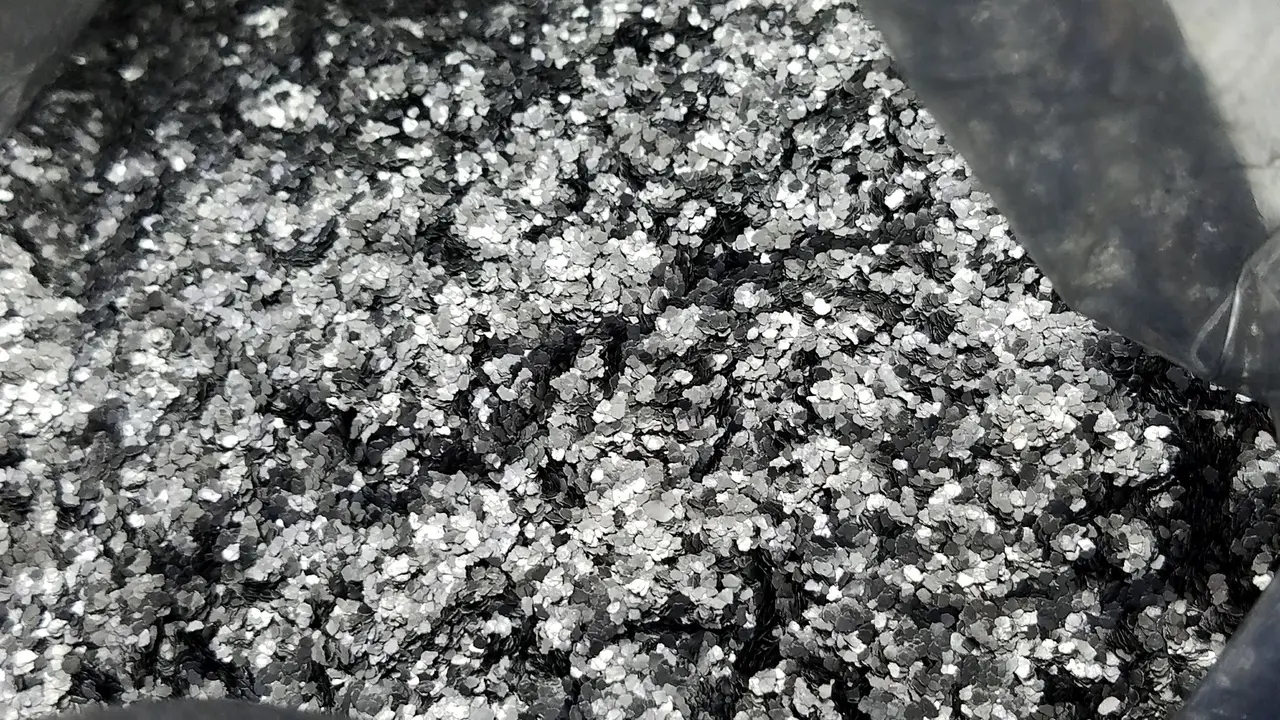
Graphite is a form of carbon. Lithium-ion battery anodes are made of it, so graphite is the largest component of a battery by weight. China mined 77.8% of the world's natural graphite in 2025 and made 94% of all battery-grade graphite. China's pause on its 2025 controls on graphite anode exports was extended on November 9, 2026, to January 10, 2027.
- Mined in 2025
- 1.8 million t
- of natural graphite, estimate
- Largest miner
 77.8%
- 1.4 million tonnes, 2025
- Battery-grade graphite
- 94%
- made in China, 2025
- In an electric car
- 66 kg
- of graphite, more than any other mineral
- Suspension ends
- Jan 10, 2027
- China's pause on its anode export controls
Which countries mine the most graphite?
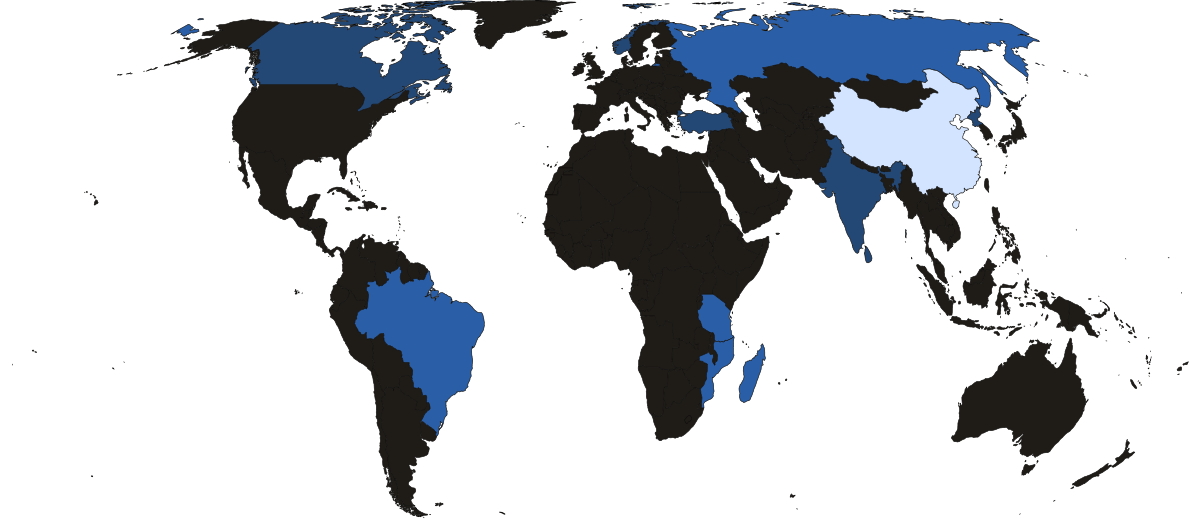
China mined 1.4 million tonnes of natural graphite in 2025, 77.8% of the world's 1.8 million tonnes. Madagascar was second with 80,000 tonnes (4.4%), followed by Tanzania with 75,000 tonnes (4.2%), Brazil with 65,000 tonnes (3.6%) and Mozambique with 60,000 tonnes (3.3%).
Tanzania more than doubled its output from 27,000 tonnes in 2024, after Australian and Chinese companies opened new mines in Lindi and Manyara in 2024. Mozambique's output rose from 39,000 to 60,000 tonnes after Syrah Resources restarted its Balama mine in June 2025. The United States has not mined natural graphite since 1989.
Share of world natural graphite mine output, 2025
- China77.8%
 Madagascar4.4%
 Tanzania4.2%
 Brazil3.6%
 Mozambique3.3%
 Russia1.4%
- Everyone else5.3%
- Under 1%
- 1%–5%
- 5%–10%
- 10%–25%
- Over 25%
- No production
Why do batteries need graphite?
Graphite makes up about 95% of a lithium-ion battery's anode. A typical electric car contains about 66 kg of graphite, more than copper (53 kg), nickel (40 kg) or lithium (9 kg), according to an IEA estimate.
Electric-car batteries used 36% of the world's graphite in 2025. Battery storage took another 7%. The remaining 57% went into steel-furnace electrodes, refractories, other batteries, lubricants and brake linings. Clean-energy uses have grown from 20% of graphite demand in 2021 to 43% in 2025. China used two-thirds of all graphite in 2025.
What the world's graphite goes into
Share of world graphite demand, natural and synthetic, 2025
- Electric-car batteries36%
- Batteries for power storage7%
- Everything else: steel-furnace electrodes, refractories, other batteries, lubricants57%
Graphite in batteries
- 66 kgof graphite in a typical electric car, more than any other mineral
- 95%of a lithium-ion battery's anode is graphite
- 43%of the world's graphite went into batteries for cars and power storage in 2025, up from 20% in 2021
- 2/3of the world's graphite was used in China in 2025
Who makes synthetic graphite and battery anodes?
China made 94% of the world's battery-grade graphite in 2025: 2,139,000 tonnes out of a world total of 2,266,000 tonnes. Japan was second with 68,000 tonnes (3%), followed by Indonesia with 32,000 tonnes. The United States made 13,000 tonnes.
Battery-grade graphite comes in two forms. Natural flake graphite is mined and processed into spherical graphite. Synthetic graphite is made from petroleum coke or needle coke. Most battery anodes now use synthetic graphite. According to the IEA, China accounted for virtually all growth in battery-grade graphite in recent years, mainly through synthetic anode production. The IEA projects China's share will fall only to 91% by 2035.
From mine to battery
Share of world graphite at each step
China 78%Madagascar 4.4%Tanzania 4.2%China 94% Japan 3%China 67%
What are China's export controls on graphite?
China's Ministry of Commerce has required export licences for natural flake graphite and high-grade synthetic graphite since December 1, 2023. China's flake graphite exports fell 94% in December 2023. From January to September 2025, China exported 115,000 tonnes of natural graphite, 6% more than a year earlier.
On October 9, 2025, the ministry added synthetic graphite anode material and anode-making equipment to the list. After the Trump-Xi meeting in Busan, it suspended those controls on November 7, 2025, until November 10, 2026. In September 2026, the US and Chinese governments extended their trade truce to January 10, 2027. On November 9, 2026, China's commerce ministry extended the pause on the anode controls to January 10, 2027.
China's graphite exports before and after licensing began
Tonnes a month
Who is building graphite supply outside China?
Brazil holds 74 million tonnes of graphite reserves, second only to China's 100 million tonnes, but mined just 3.6% of the world's graphite in 2025. The IEA expects new mines in Africa, Canada and Brazil to cut China's share of graphite mining to 53% by 2035. Canada's Nouveau Monde Graphite plans a mine in Quebec producing about 100,000 tonnes a year before 2030.
Syrah Resources, which runs Balama, also makes anode material in Vidalia, Louisiana. In March 2026, the US International Trade Commission rejected duties on Chinese anode material. After that and a Supreme Court tariff ruling, US tariffs on Chinese graphite fell from over 200% to about 35% (IEA).
Who holds the world's graphite reserves
Million tonnes of natural graphite reserves
- China100M t
- Brazil74M t
- Madagascar27M t
- Mozambique25M t
- Tanzania18M t
- Russia14M t
 Vietnam9.7M t
 India8.6M t
 Turkey6.9M t
 Canada5.9M t
- Everyone else21M t
History
How a war with Britain gave France the modern pencil
When Revolutionary France went to war with Britain in February 1793, it lost its supply of English graphite. It came from Borrowdale in the Lake District, the only large source of pure solid graphite then known in Europe. It lined the molds for casting cannonballs, and in 1752 Parliament made stealing it a felony. Miners were searched when they left work. High-quality graphite rose from £18 a ton in 1646 to £3,920 a ton in 1804.
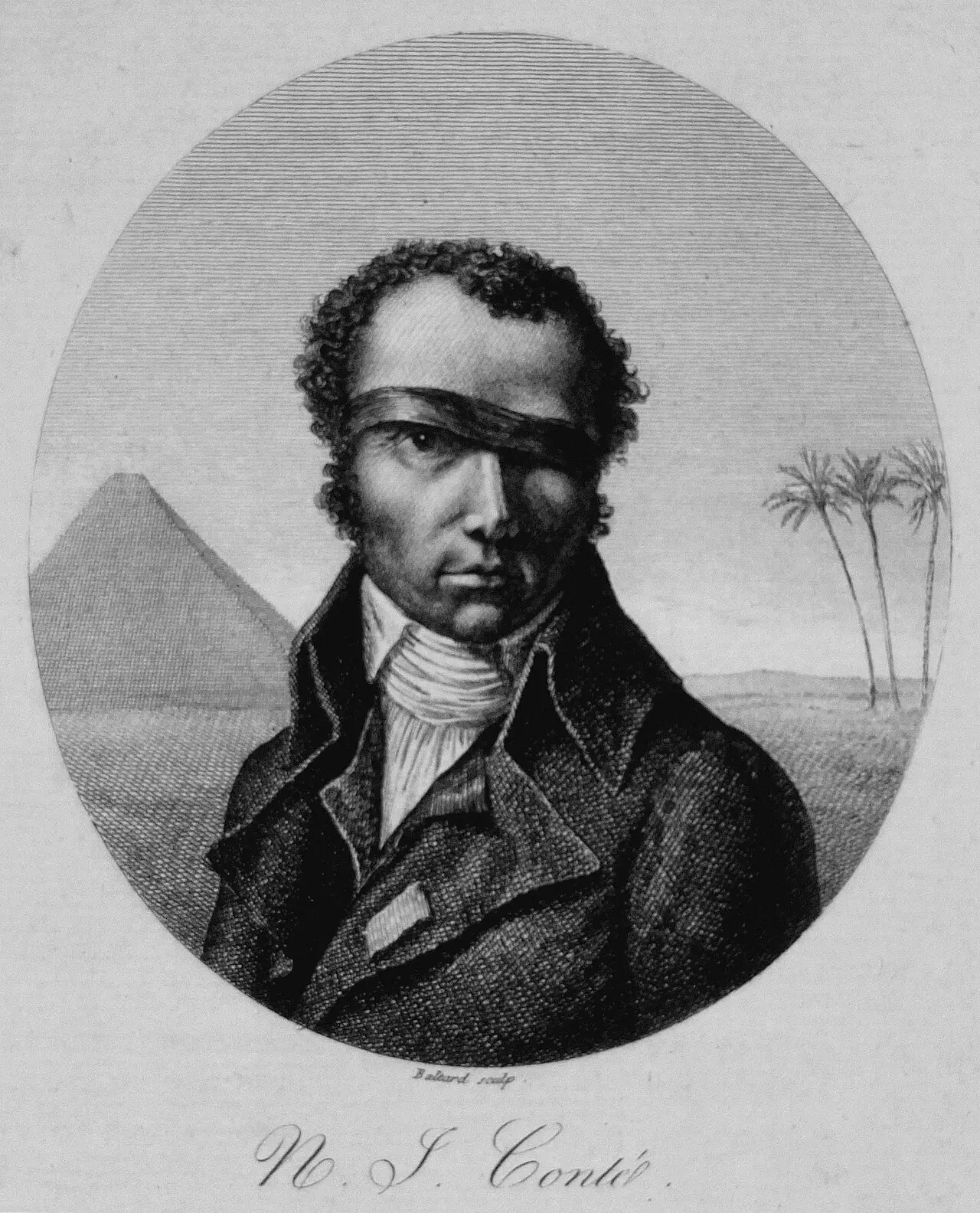
In 1794 Lazare Carnot, who ran the war effort, asked Nicolas-Jacques Conté for a pencil that did not need imports. Conté mixed graphite powder with clay and fired it in a kiln. More clay made a harder lead, so pencils could be graded. He patented the method in 1795. Conté had lost his left eye in a laboratory explosion. In 1798 he went to Egypt with Napoleon's army. Impure graphite now made good pencils, and Borrowdale lost its advantage. The mine closed in 1891.
History
Who mined the world's graphite 100 years ago?
Central Europe did. In 1925-29 Czechoslovakia, Austria and Germany together mined about 66,000 tonnes of natural graphite a year, 47% of the world total. Korea, then a Japanese colony, added another 13%. Most of this was cheap amorphous graphite, used to coat foundry molds and to make pencils.
The most valuable graphite came from Ceylon and Madagascar, which supplied about a fifth of the world's tonnage. The US Bureau of Mines estimated in 1939 that their output was probably worth at least half of all graphite by value. American crucible makers paid the highest prices for Ceylon's graphite and took 81% of the island's output in 1917. According to the US Tariff Commission in 1919, about 50,000 men, women and children worked Ceylon's graphite, almost entirely by hand. China did not appear in the 1925-29 table at all. Today China mines 77.8% of the world's graphite. Czechia, Austria and Germany together mine less than 0.1%.
Share of world natural graphite mining
1925-292025


History
Why the first nuclear reactor was built from graphite
The first nuclear reactor used graphite as a moderator. A reactor fueled with natural uranium needs a moderator that slows neutrons without absorbing them. In the early 1940s only very pure graphite and heavy water worked.
In January 1941 the German physicist Walther Bothe found that Siemens graphite absorbed too many neutrons. Germany turned to heavy water from the Vemork plant in occupied Norway. In February 1943 Norwegian commandos trained by Britain's SOE blew up its heavy-water cells.
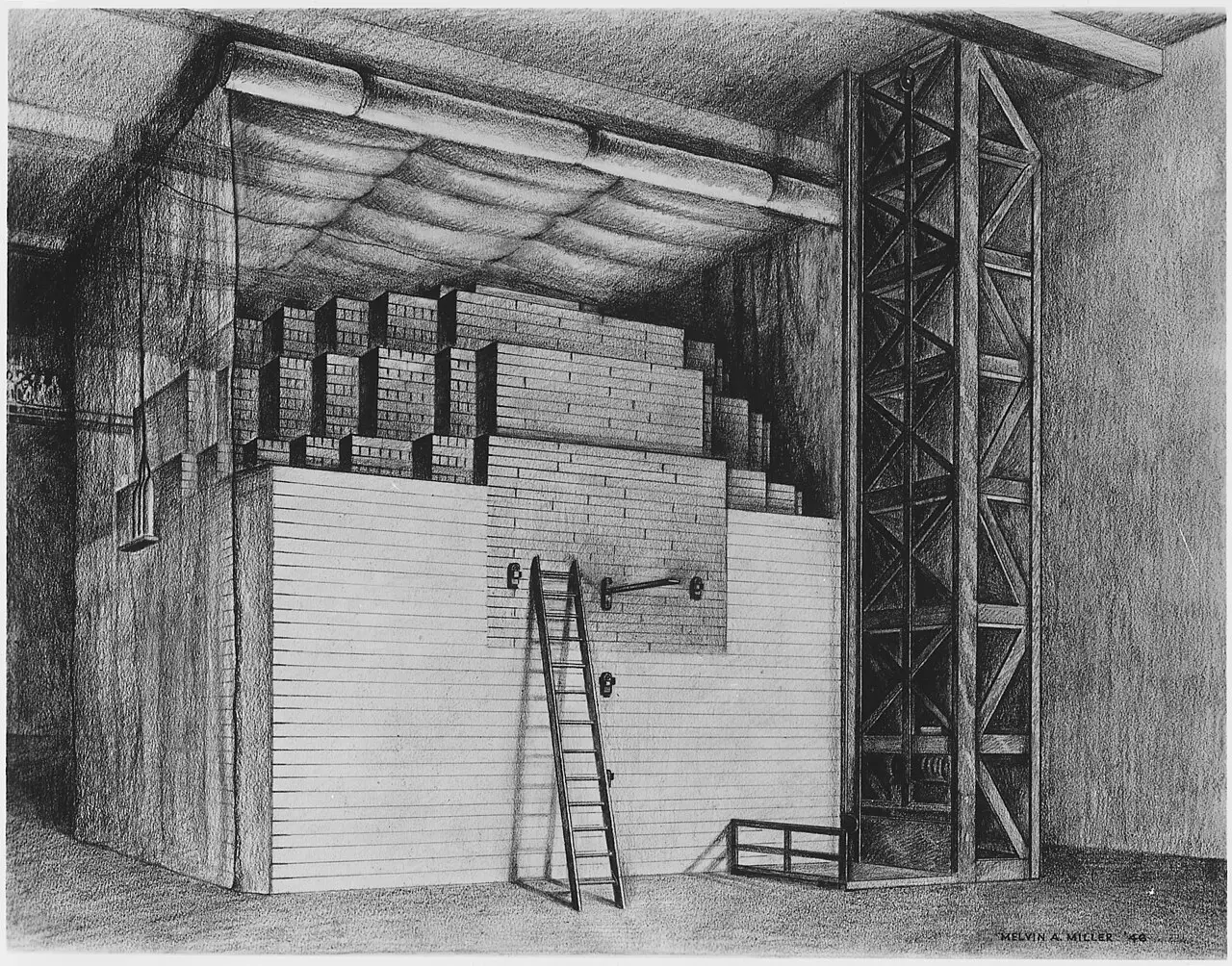
In the United States, Leo Szilard pushed for graphite with almost no boron, which absorbs neutrons. Enrico Fermi built Chicago Pile-1 from almost 400 tons of graphite bricks at the University of Chicago. On 2 December 1942 it ran the first self-sustaining chain reaction. Hanford's B Reactor, with a 1,200-ton graphite core, made the plutonium for the bomb dropped on Nagasaki in August 1945. The first Soviet reactor, started in Moscow on 25 December 1946, was a graphite pile too.
Other resources
All 33 resources →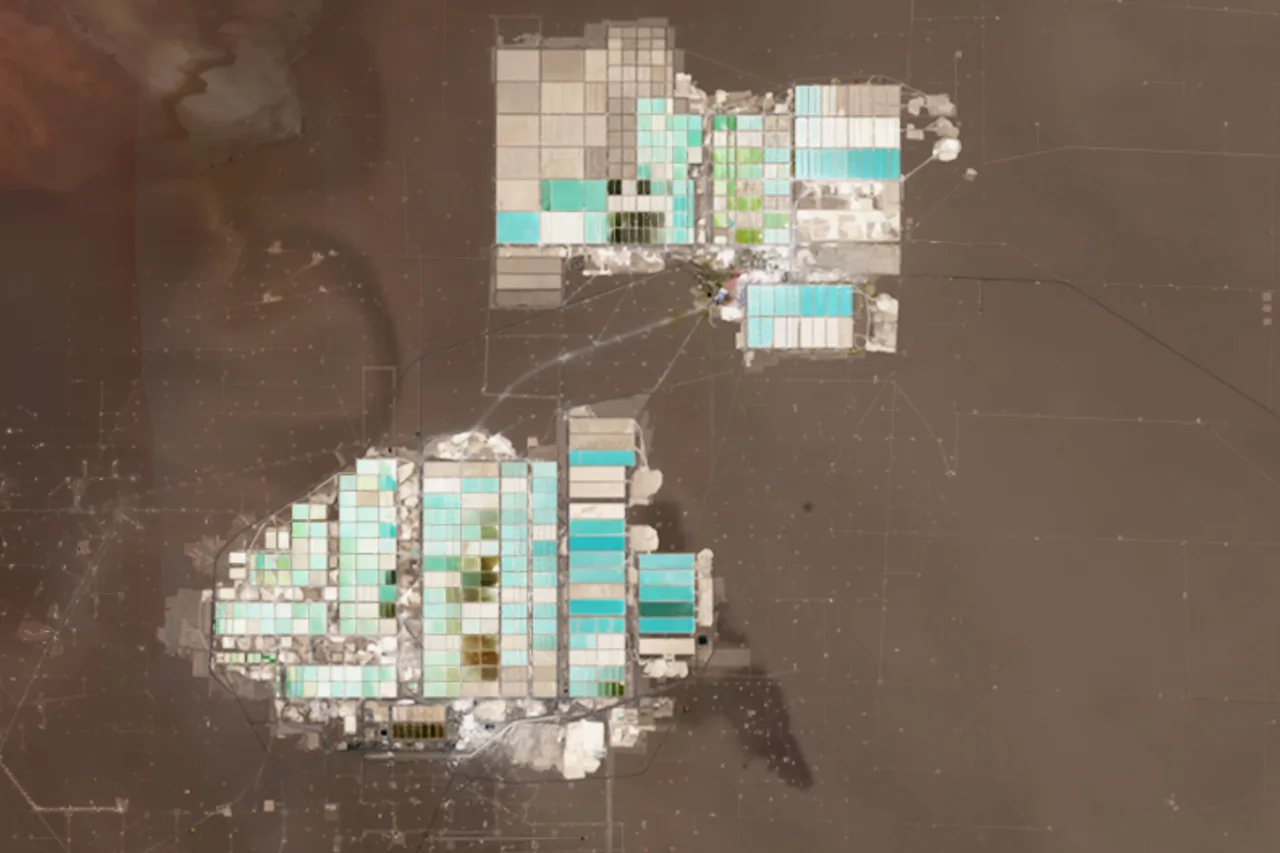
 Australia 32%
Battery metal
Lithium
China mines 21% of lithium but refines 70% and makes 80% of battery cells.
 DR Congo 74%
Battery metal
Cobalt
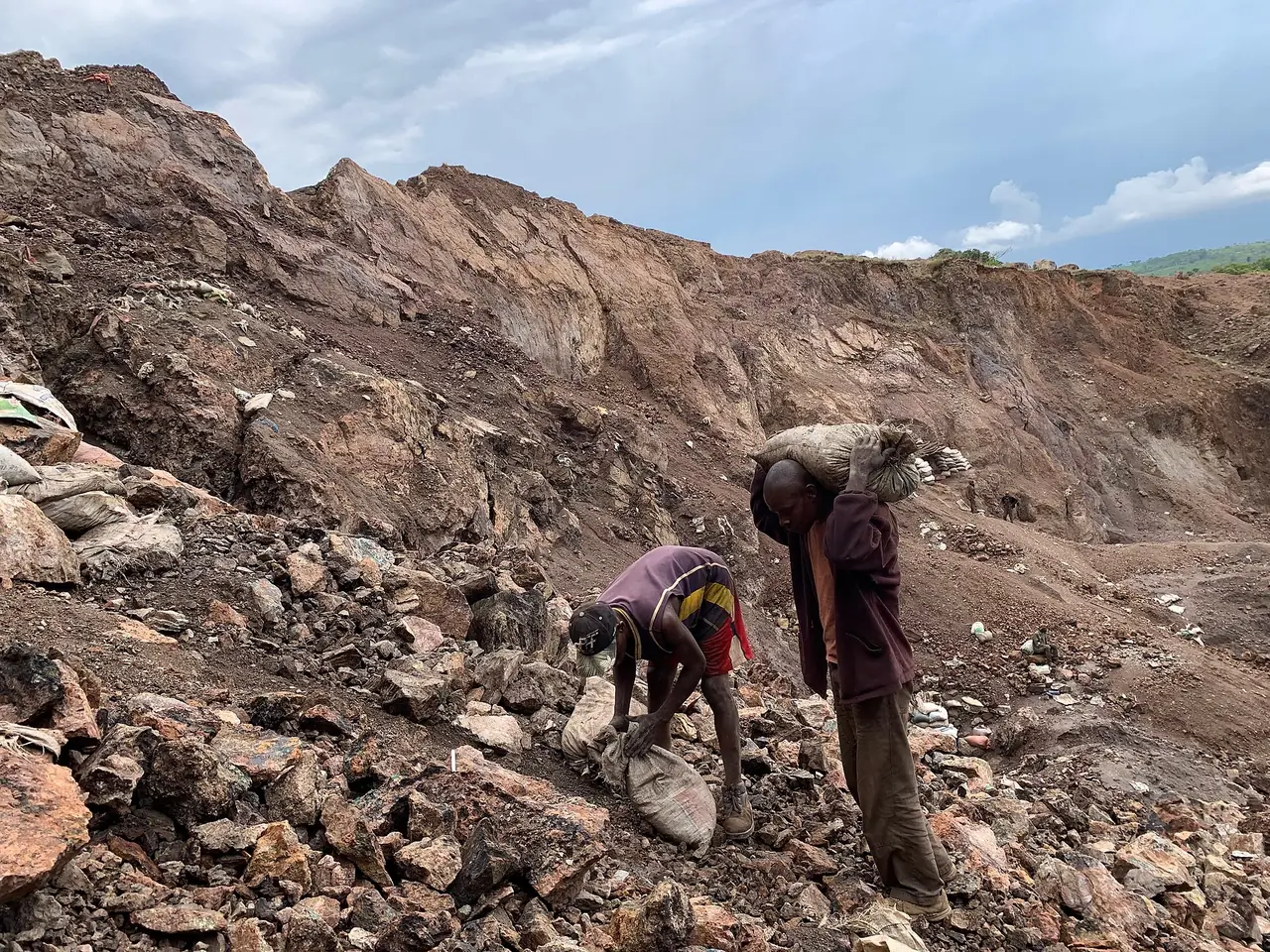
China refines 79% of the world's cobalt but mines less than 1%.
 Indonesia 67%
Battery metal
Nickel
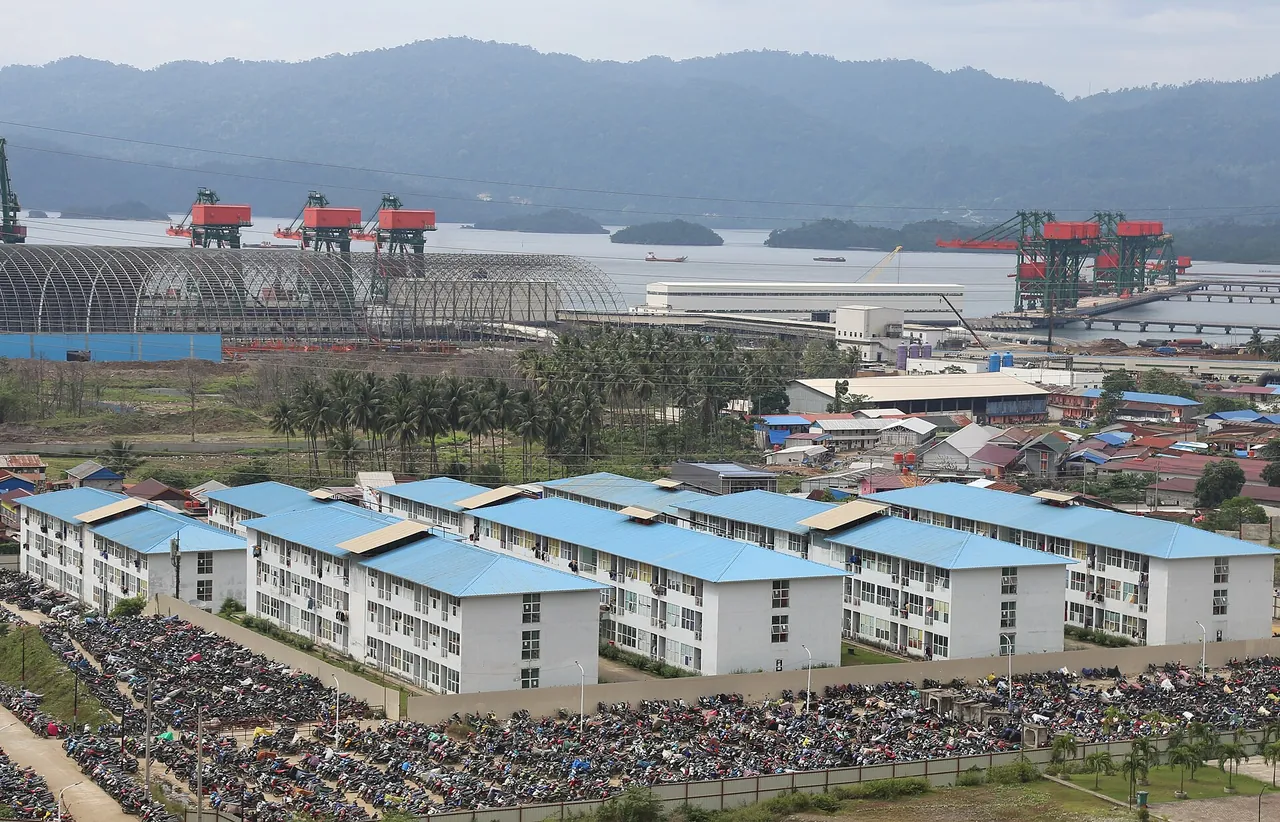
Indonesia mines 67% of the world's nickel; Chinese firms run 75% of its smelters.