
Rivalry · Superpowers
United States vs China
Trade truce until January 10, 2027Updated October 31, 2026
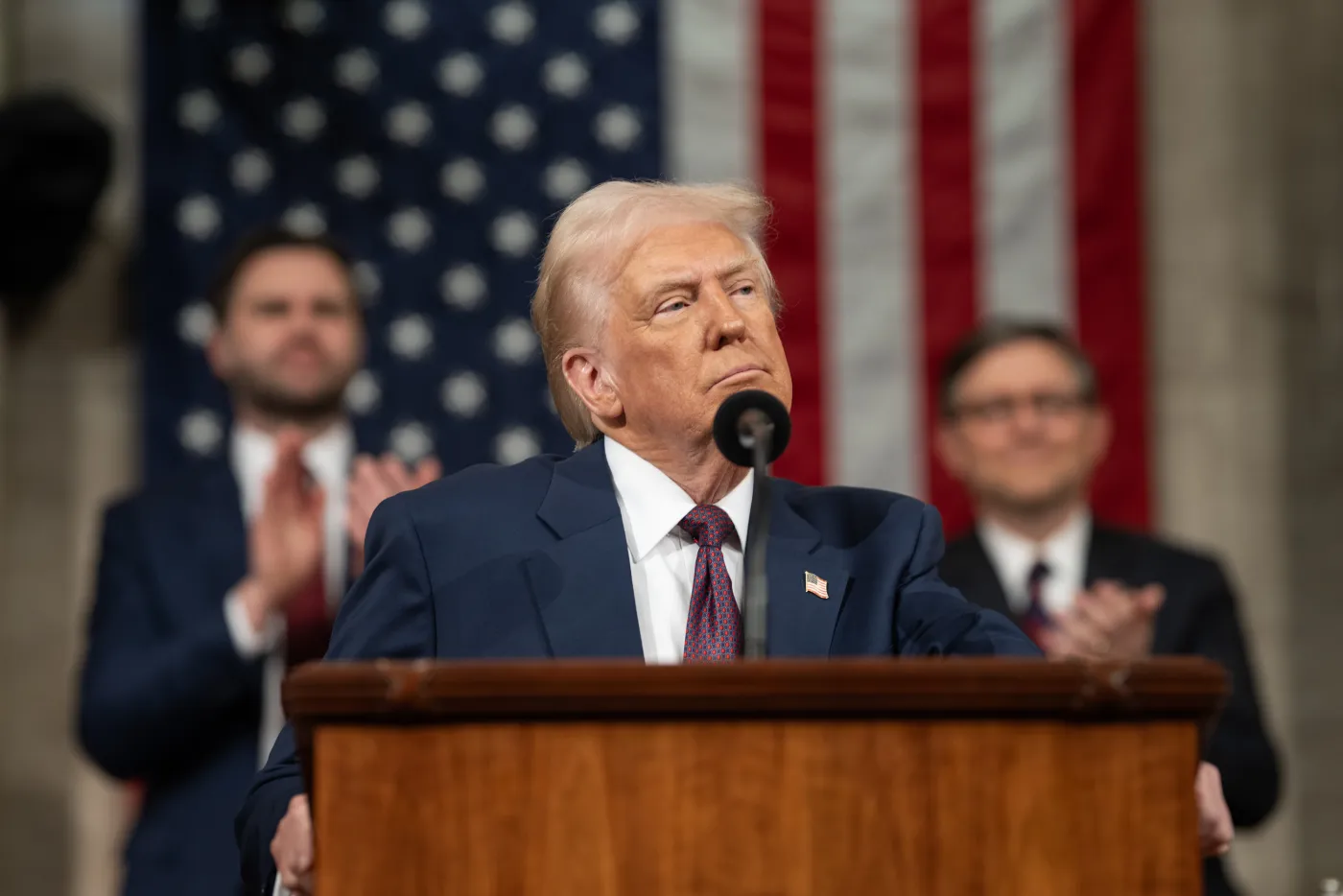
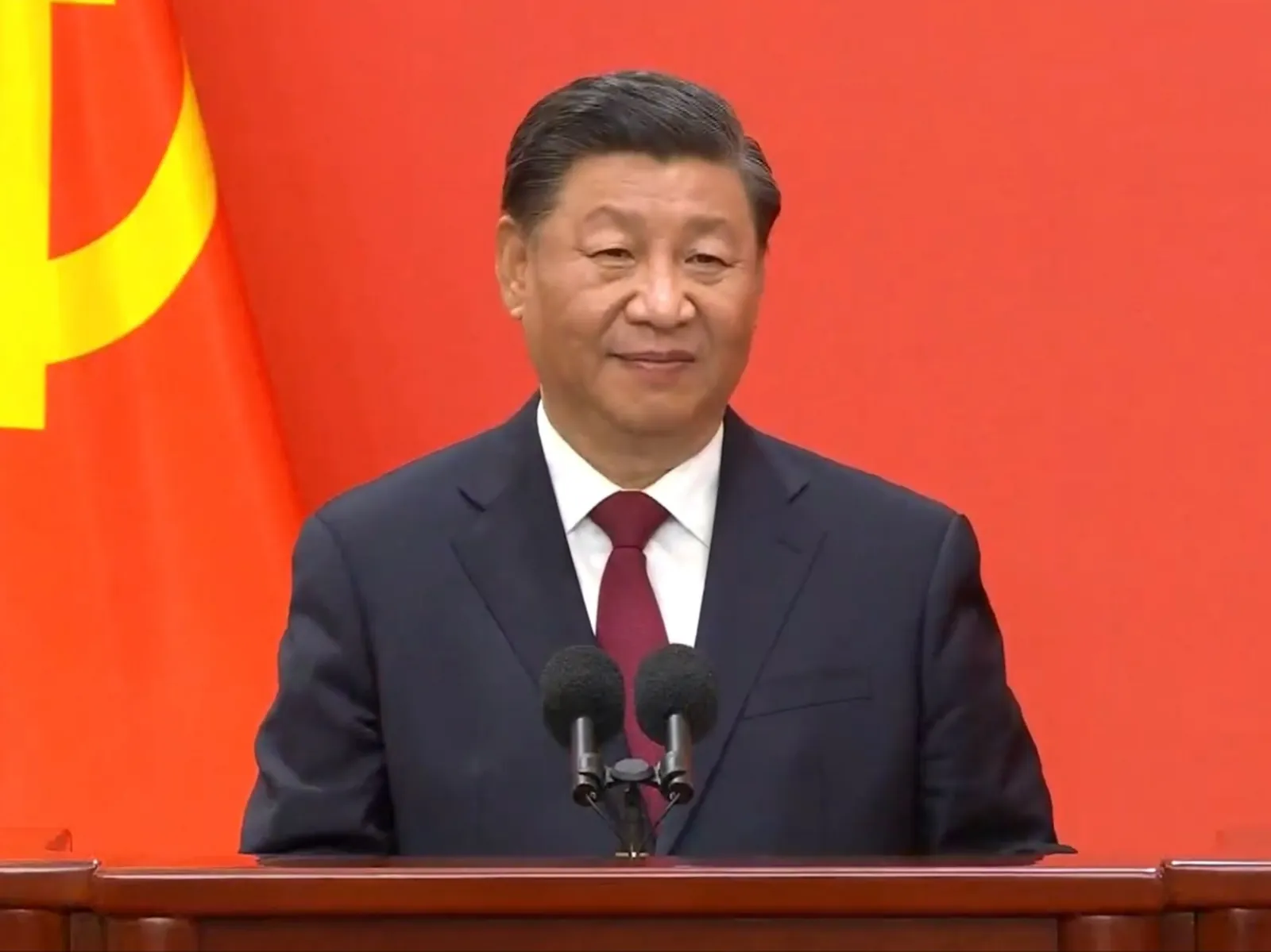
The United States and China are the world's two largest economies and its two biggest military spenders. They have not fought each other since the Korean War of 1950-53. They compete over trade, computer chips, rare earths, the South China Sea and, above all, Taiwan. President Trump visited Beijing in May 2026, and Xi Jinping visited Washington in September. The two governments then extended their truce on tariffs and on China's newest rare-earth export rules to January 10, 2027.


- Trade in goods
- $414.6 billion
- in 2025, 7.4% of US goods trade
- Vote together at the UN
- 10%
- of recorded General Assembly votes, 2025
- Nuclear warheads
- 5,042 and 620
- FAS, early 2026
- Truce ends
- Jan 10, 2027
- tariffs and rare-earth rules
How do the US and China compare?
Each bar is scaled to the larger of the two. Every row links to its full ranking.
China
Where could the rivalry turn into a war?
The two places where American and Chinese forces operate close together, and the two industries both sides treat as matters of national security.
 Flashpoint
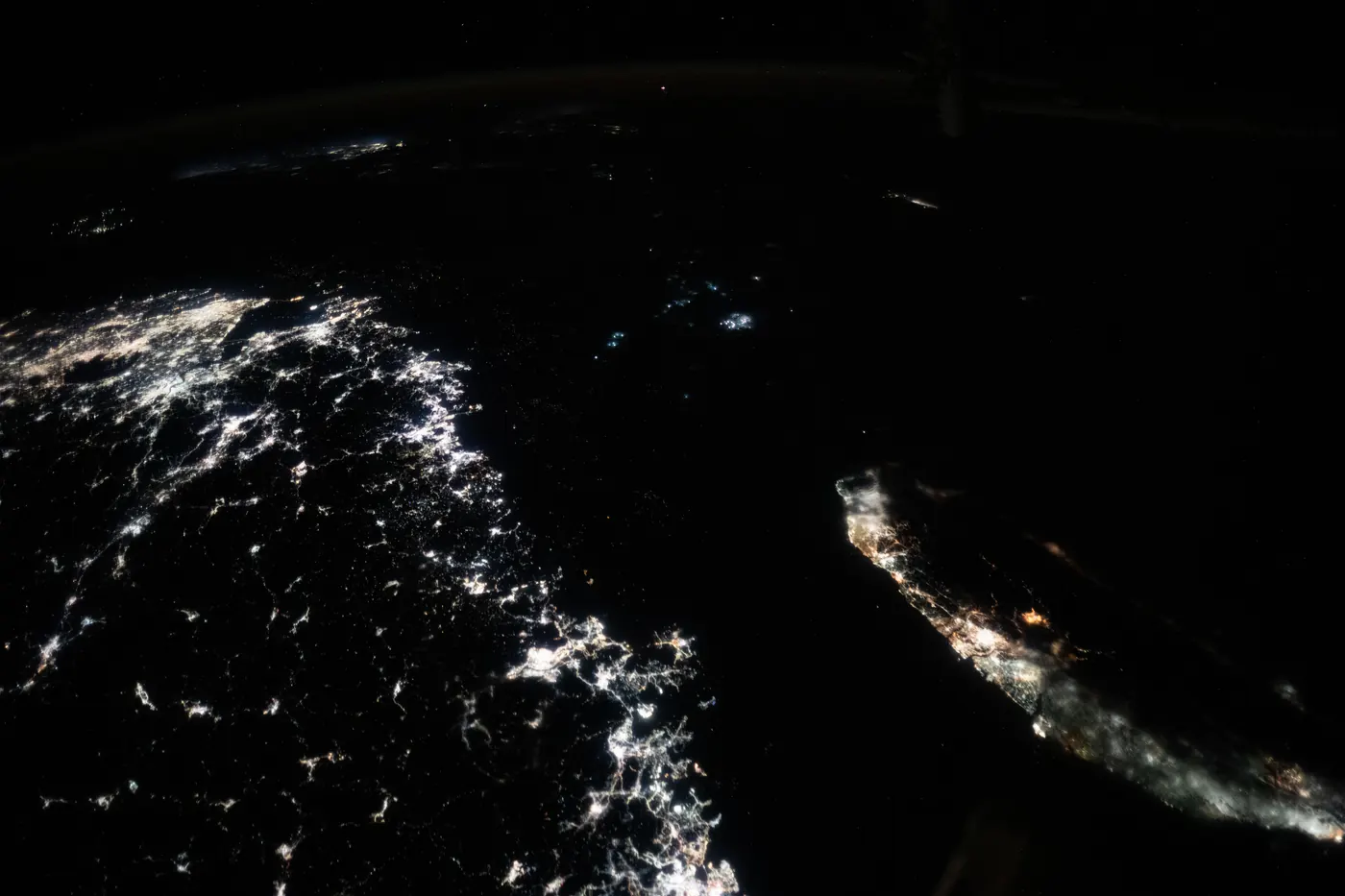
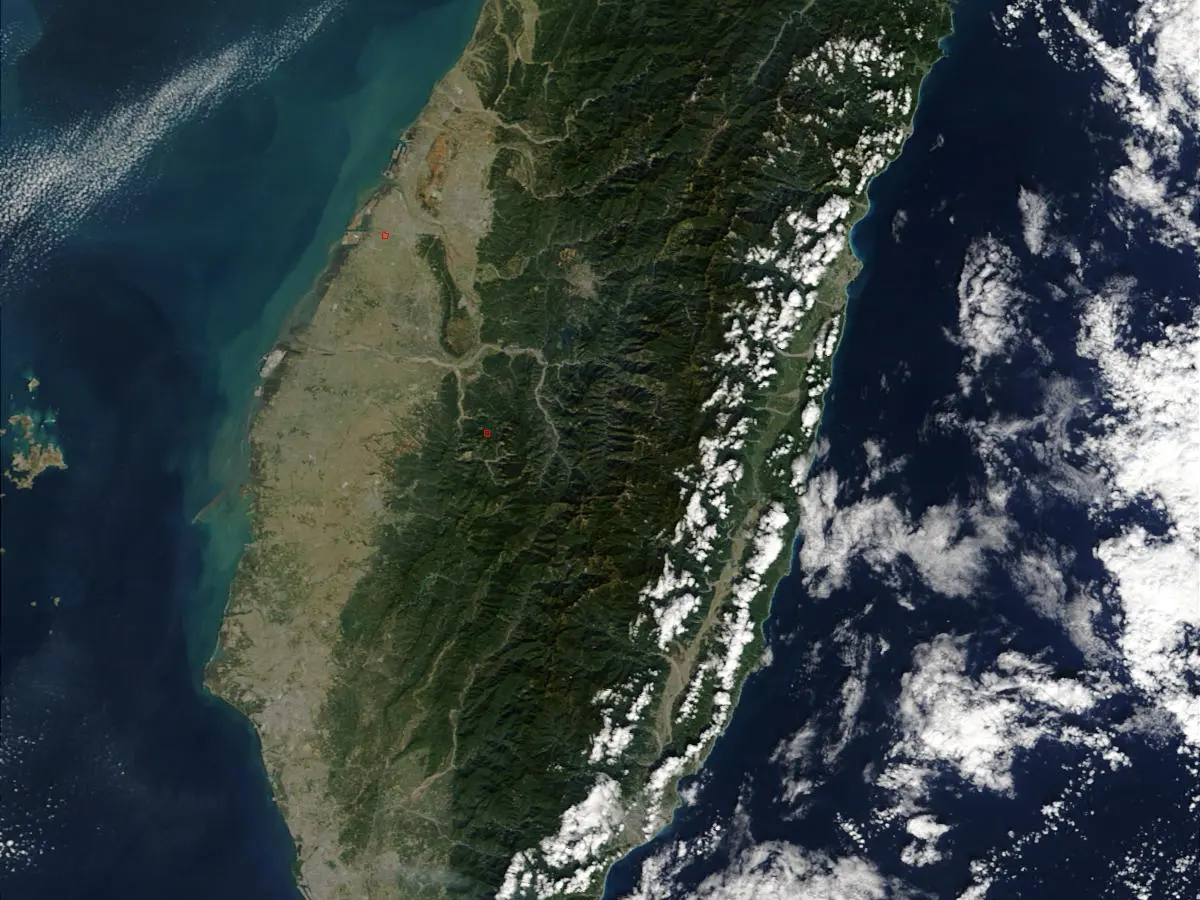
Taiwan Strait
China claims Taiwan. The US sells Taiwan its weapons.
 Disputed territory
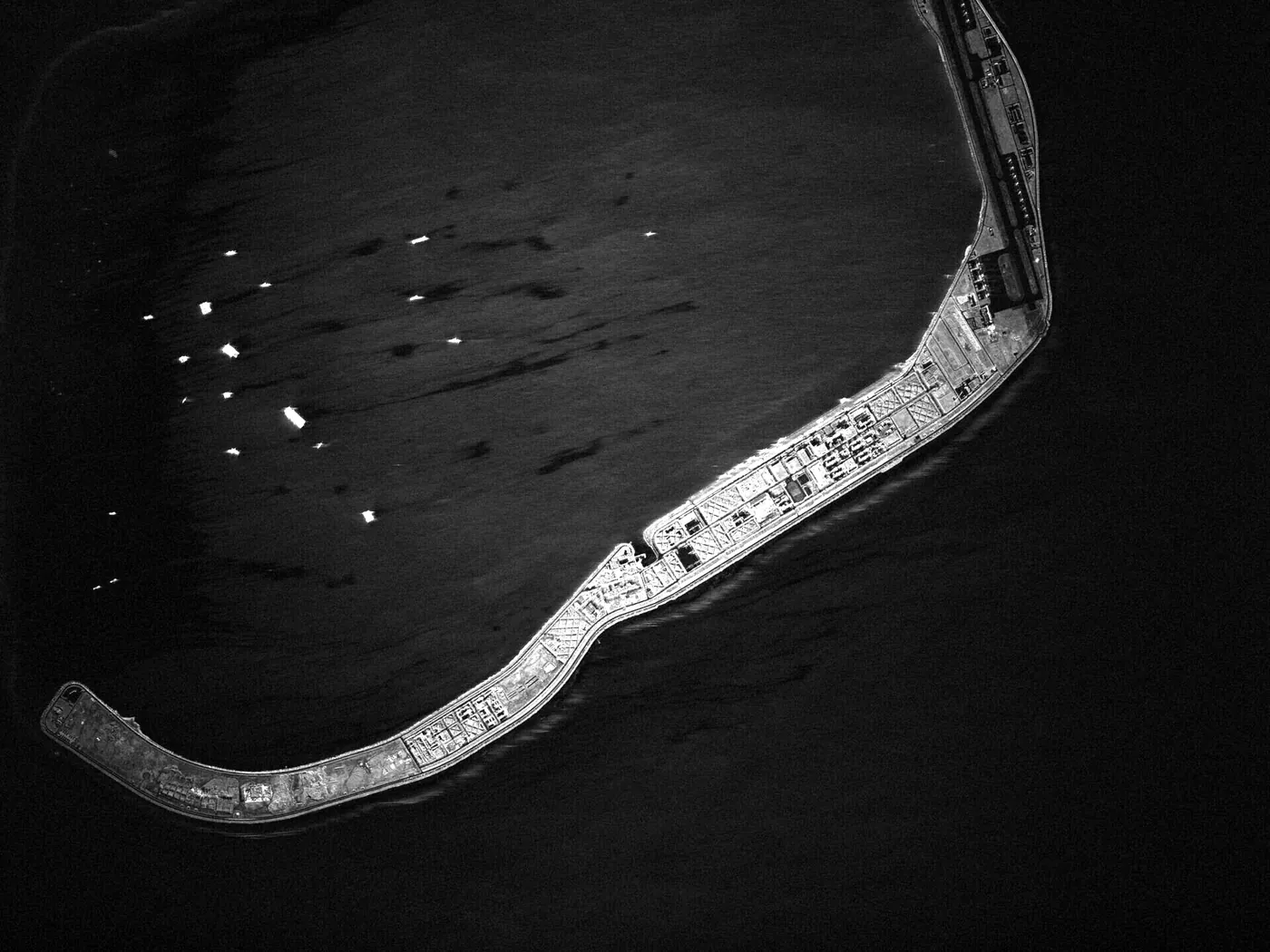
South China Sea
China claims most of the sea. US warships sail through it.
 Technology
Advanced chips
The US limits China's access to advanced chips and the machines that make them.
 Resource
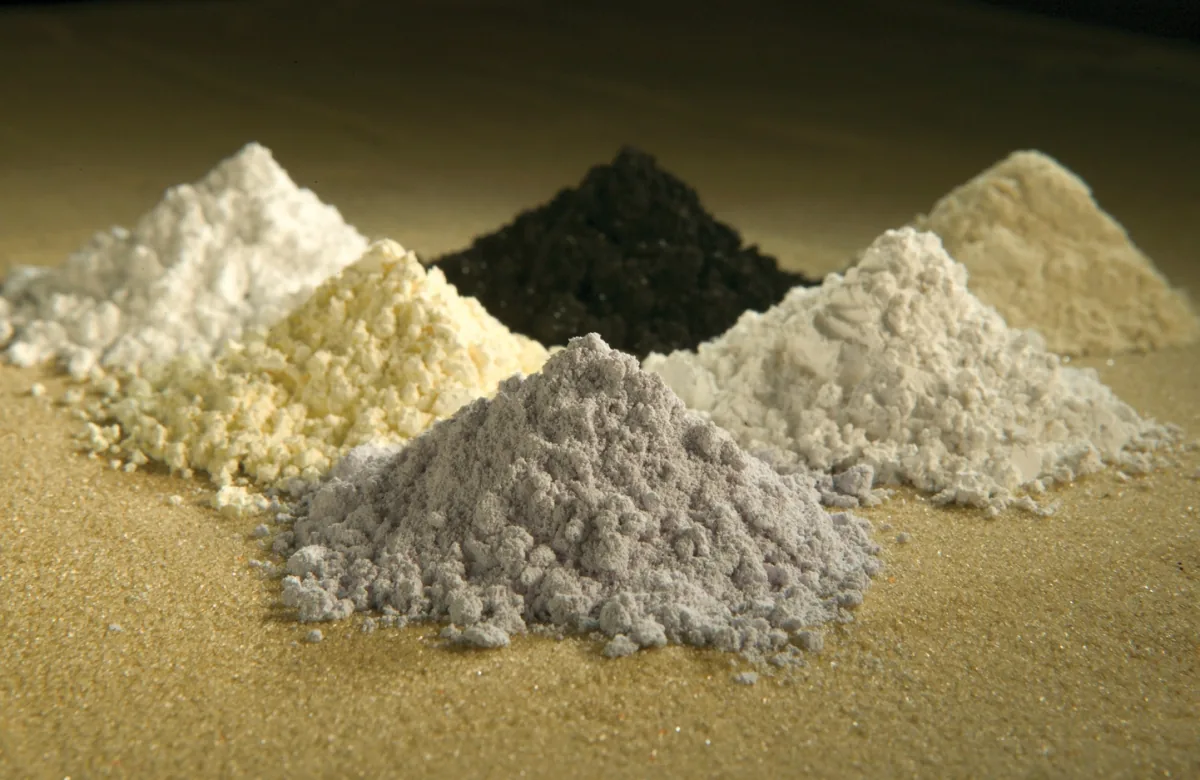
Rare earths
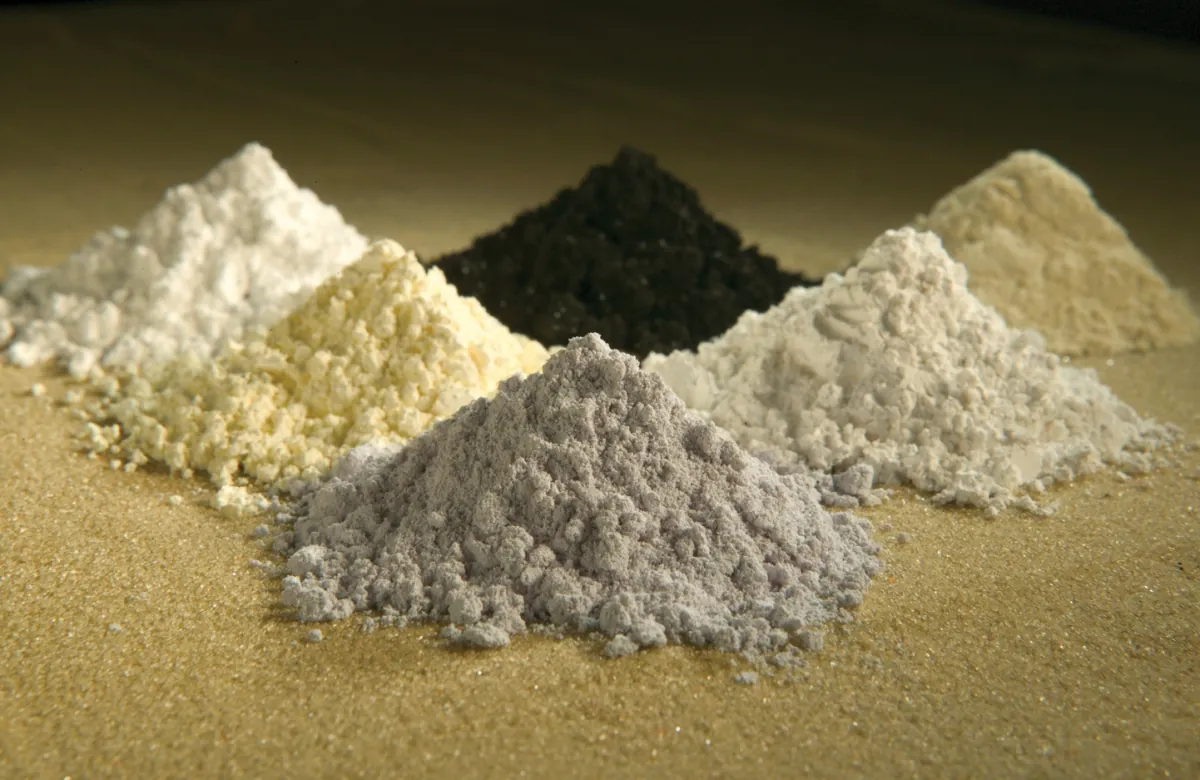
China refined 85% of the world's rare earths in 2025.
Who sides with the US, and who with China?
Treaty allies and close partners on each side, and large countries that trade with both.
With the United States
 JapanTreaty ally since 1951
 South KoreaTreaty ally since 1953
 AustraliaTreaty ally since 1951; AUKUS submarine pact
 PhilippinesTreaty ally since 1951; its ships clash with China's at sea
 TaiwanNo treaty; the US sells it weapons
With China
 RussiaPartnership "with no limits" since 2022, but no defense treaty
 North KoreaChina's only treaty ally, since 1961
 Pakistan80% of its major arms imports came from China, 2021-25
 IranBought more than 80% of Iran's oil exports in 2025, before the war
Trading with both
 IndiaIn the Quad with the US; China's rival on the border
 VietnamDisputes islands with China, trades with both
 Saudi ArabiaUS security partner; sells China oil
 BrazilChina is its largest trading partner
Why are the US and China rivals?
In the Korean War, from 1950 to 1953, Chinese and American troops fought each other. In the 1970s Washington and Beijing moved closer, because both opposed the Soviet Union. Nixon visited Beijing in 1972, and the two countries opened full diplomatic relations in 1979.
China's economy then grew more than a hundredfold in dollar terms. China became the world's largest manufacturer in 2010 and its largest trading nation in goods in 2013. By 2020 the Pentagon counted China's navy as the largest in the world by number of ships.
Since 2017, US national security strategies have described China as a leading challenger to the United States. The US has raised tariffs on Chinese goods since 2018 and limited sales of advanced chips and chipmaking machines since 2022. China's government says the US is trying to contain China and hold back its development. China answered with its own tariffs and with limits on exports of rare earths, which American factories and weapons makers depend on.
How the rivalry grew
- 1949The Communists win China's civil war. The US keeps recognizing the government on Taiwan.
- 1950Chinese troops enter the Korean War and fight US forces until the 1953 armistice.
- 1972Nixon visits Beijing and meets Mao.
- 1979The US and China open full diplomatic relations.
- 2001China joins the World Trade Organization.
- 2018Trump's first tariffs on Chinese goods start a trade war.
- 2022The US restricts exports of advanced chips and chipmaking tools to China.
- 2025Tariffs on each side pass 100%. Trump and Xi agree a one-year truce in Busan in October.
- 2026Trump visits Beijing in May. Xi visits Washington in September, and the truce is extended to January 10, 2027.
Could the US and China go to war?
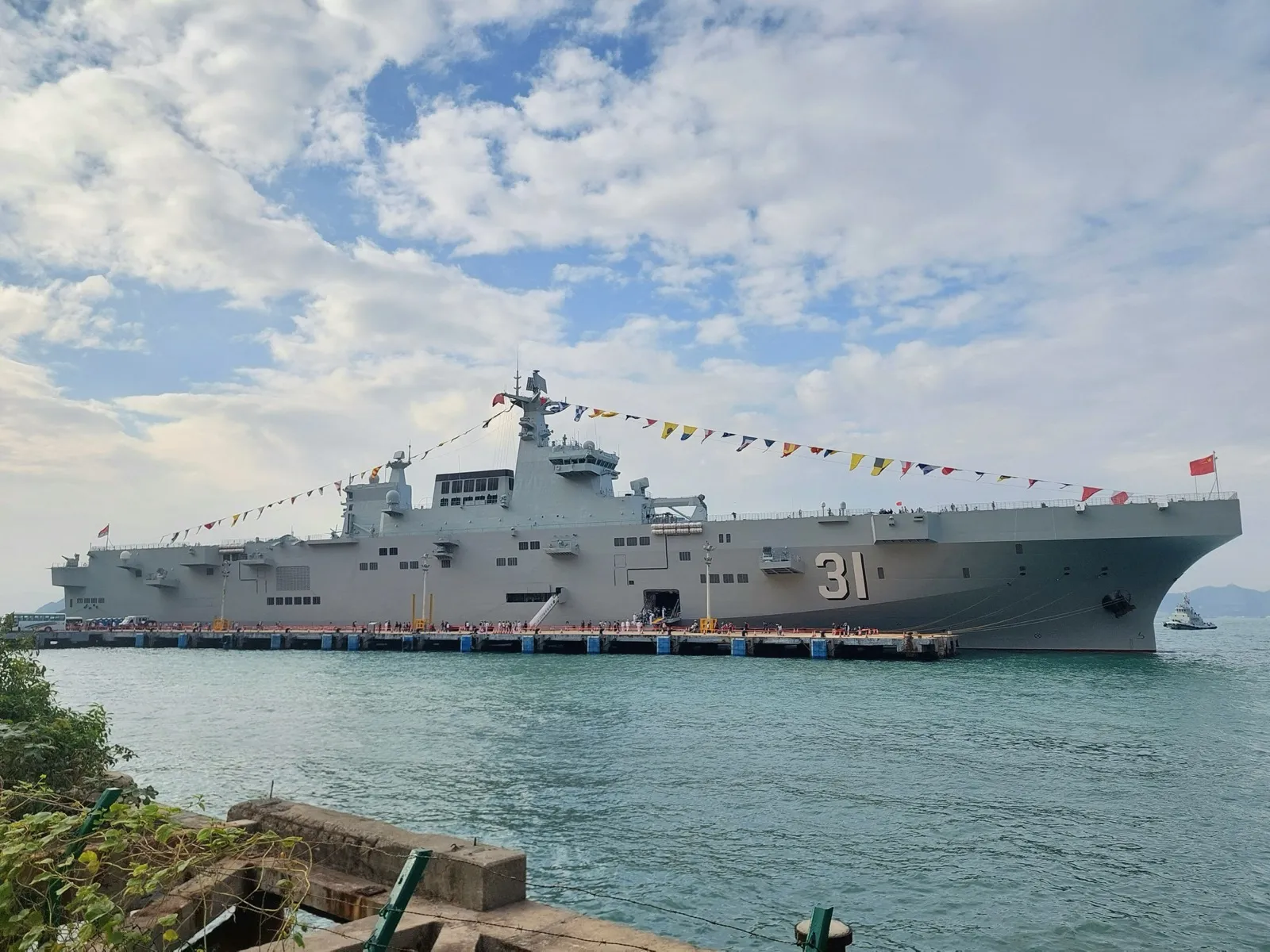
Taiwan is the most likely cause. China says Taiwan is part of its territory and has never ruled out taking it by force. Taiwan's government says the People's Republic has never ruled the island. Under the Taiwan Relations Act of 1979, the US sells Taiwan weapons, but the law does not commit the US to defend the island. In December 2025 the US notified Congress of $11.1 billion in arms sales to Taiwan, the largest package ever. A second package of about $14 billion was on hold in October 2026. President Trump said he had not decided whether to go ahead after hearing Xi's concerns. Taiwan's defense ministry counted more than 3,700 Chinese military aircraft in its air defense zone in 2025, a record.
The South China Sea is the second risk. China claims most of the sea and has built military bases on artificial islands there. In 2016 an international tribunal, in a case brought by the Philippines, ruled that China's claim to most of the sea has no legal basis. China rejects the ruling. The US says its 1951 defense treaty with the Philippines covers attacks on Philippine coast guard ships in the South China Sea. Chinese and Philippine government ships have collided several times, including near Sabina Shoal on September 18, 2026. Each side blames the other.
Who is winning the trade war?
In April 2025 the US raised its tariffs on Chinese goods to 145%, and China raised its tariffs on American goods to 125%. Talks in Geneva in May cut both. In October 2025 China announced wider controls on rare-earth exports, and President Trump threatened another 100% tariff. Trump and Xi met in Busan, South Korea, on October 30, 2025, and agreed a one-year truce. The US cut a tariff tied to fentanyl from 20% to 10%. China paused its new rare-earth rules and agreed to buy American soybeans. China's earlier license rules for seven rare earths, from April 2025, stayed in force. In September 2026 the two sides extended the truce to January 10, 2027.
Neither side has won outright. US imports from China fell 30% in 2025, to $308.7 billion, according to the US Census Bureau. China sold more to other countries, and its trade surplus reached a record $1.19 trillion. US-China trade in goods fell from $583.6 billion in 2024 to $414.6 billion in 2025, 7.4% of all US goods trade.
Questions about the US-China rivalry
Is China more powerful than the US?
By most measures, no. The US economy was worth $30.9 trillion in 2025 against China's $19.6 trillion, and the US spent almost three times as much on its military. China has more active troops, builds far more ships, and is forecast by Goldman Sachs to have the larger economy by 2050.
Are the US and China enemies?
No. They have full diplomatic relations and traded $414.6 billion of goods in 2025. They compete over trade, technology, Taiwan and the South China Sea, and their leaders met twice in 2026.
Have the US and China ever fought a war?
Yes, in the Korean War. Chinese troops entered the war in October 1950 and fought US-led United Nations forces until the armistice of July 1953. The two countries have not fought each other since.
When does the US-China trade truce end?
On January 10, 2027. The truce pauses higher tariffs and China's October 2025 rules on rare-earth exports. It was extended during Xi Jinping's visit to Washington in September 2026.
What is the Thucydides Trap?
The idea, popularized by the political scientist Graham Allison, that a rising power and an established one tend to end up at war, as Athens and Sparta did. It is often applied to China and the United States.
More on the US-China rivalry
 Country profileChina: allies, enemies and economy
 Country profileUnited States: allies, enemies and economy
 Country profileTaiwan: allies, enemies and economy
 ChokepointTaiwan Strait
- Disputed territorySouth China Sea
 ResourceRare earths
 ArticleWhy China still can't make the world's most advanced chips
 ArticleWhat would a Chinese invasion of Taiwan look like?
 ArticleThe Peloponnesian War: the first Thucydides trap