
Resource · Food and farming
Potash and phosphate
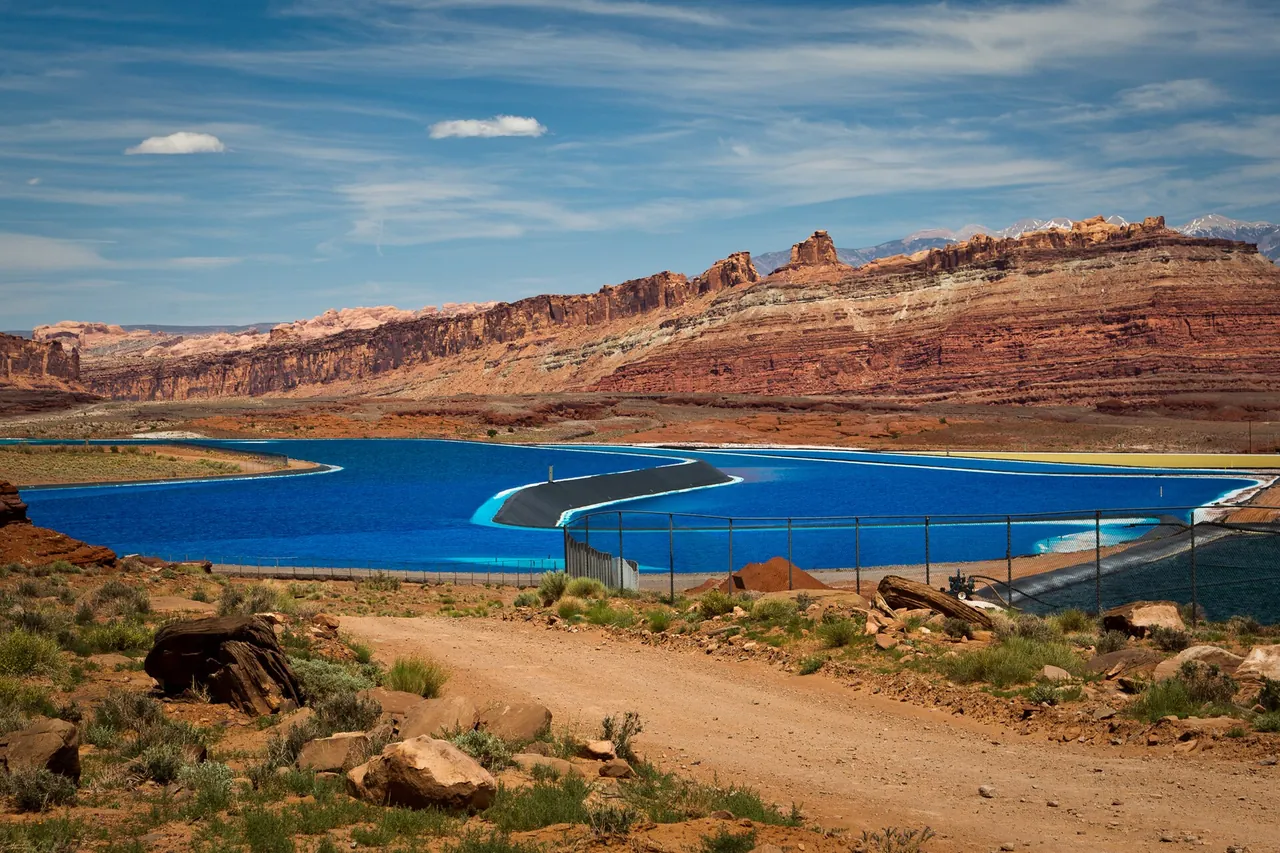
Potash and phosphate rock are mined minerals that supply two of the three main crop nutrients, potassium and phosphorus. Canada mines 31% of the world's potash. China mines 44% of phosphate rock. Morocco holds 68% of phosphate reserves. Since 2021, sanctions on Belarus and Chinese export curbs have kept part of the supply off world markets.
- Potash mined, 2025
- 49 million t
- of potash (K₂O)
- Largest potash miner
 31%
- 15 million tonnes
- Largest phosphate miner
 44%
- 110 million tonnes of rock
- Phosphate reserves
 68%
- held by Morocco
- Largest potash importer
 8.3M t
- of potash (K₂O), 2023
Which countries produce the most potash?
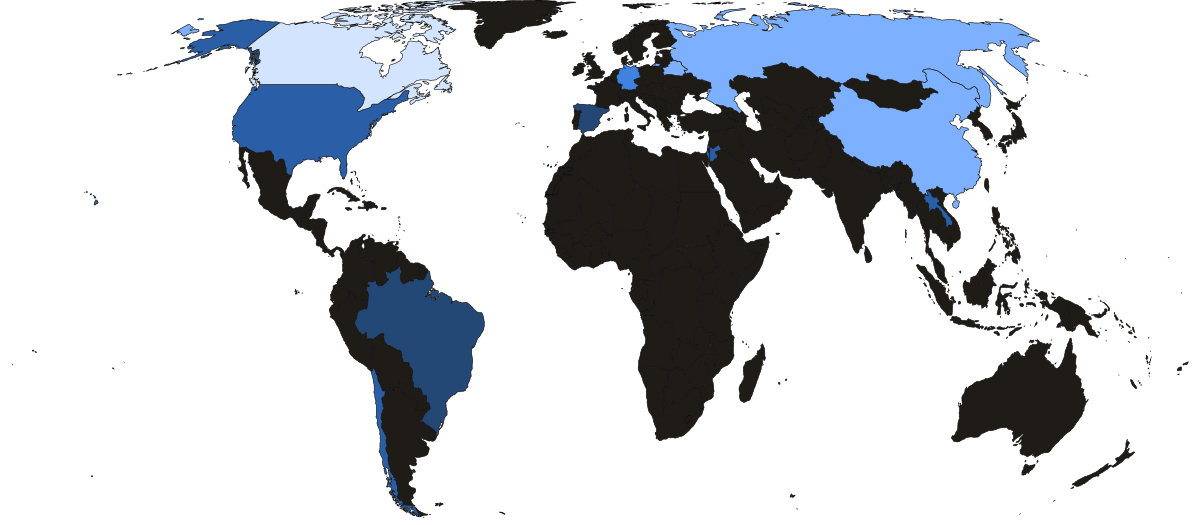
Canada mined 31% of the world's potash in 2025, most of it from Saskatchewan, followed by Russia, China and Belarus. Belarus, which mines about 12%, came under sanctions after its disputed 2020 election. The US Treasury sanctioned the state producer Belaruskali on August 9, 2021. On February 1, 2022 Lithuania stopped the transit through its port of Klaipėda, which used to carry about 90% of Belarus's potash, and in March 2022 the EU banned Belarusian potash. The US eased its sanctions in December 2025, after Belarus freed 123 prisoners, and lifted them in March 2026, after Belarus freed 250.
Laos rose from under 1% of world output in 2021 to 5% in 2025.


- Under 1%
- 1%–5%
- 5%–10%
- 10%–25%
- Over 25%
- No production
Which countries mine the most phosphate?
China mined 44% of the world's phosphate rock in 2025, more than the next three producers combined. China has curbed fertilizer exports since October 2021. On March 14, 2026, China ordered exporters to stop shipping phosphate fertilizers until August 31. The halt did not end on that date. As of early November 2026, China had not said when exports would resume. China's phosphate fertilizer exports fell to almost nothing in 2026, from 5.3 million tonnes in 2025.
The Gulf normally supplies about 11% of world phosphate fertilizer exports. After the US and Israel struck Iran on February 28, 2026, fertilizer shipments through the Strait of Hormuz fell to near zero. Ships have crossed again since May, but traffic through the strait was still disrupted as of November 2026.
Who mines the world's phosphate rock
Share of world output, 2025
- China44%
- Morocco14%
 United States8%
 Russia6%
 Jordan5%
 Saudi Arabia4%
 Egypt2%
- Brazil2%
Who has the most phosphate reserves?
Morocco holds about 68% of the world's phosphate rock reserves, with 50 billion tonnes. No other country has more than 5%. Morocco's state-controlled miner OCP earned about 114 billion dirhams in 2025, up 17% from the year before.
USGS labeled this figure 'Morocco and Western Sahara' through 2021 and 'Morocco' from 2022 onward. Western Sahara's status is disputed, and USGS gives no separate breakdown.
Who holds the world's phosphate rock
Share of reserves


Who uses the most potash?
China used 23% of the world's potash on farms in 2023, with Brazil close behind at 22%. Brazil mines almost none of its own and is the world's largest potash importer. Brazilian farms use 124 kg of potash per hectare, more than five times the world average of 23 kg.
The United States imports 92% of the potash it uses, mostly from Canada. In November 2025, Washington added both potash and phosphate rock to its list of critical minerals.
Who uses the world's potash
Share of farm use, 2023


What are potash and phosphate used for?
Nearly all of both minerals go into fertilizer: about 92% of potash and 85% of phosphate rock. Every harvest removes potassium and phosphorus from the soil. A tonne of wheat grain carries away about 6.5 kg of phosphate and 5.5 kg of potash.
The remaining phosphate goes into animal feed supplements and products such as detergents. The often-quoted figure that fertilizer feeds half the world is about nitrogen alone.
What the world's phosphate rock goes into
Share of use
- Fertilizer85%
- Animal feed10%
- Industry5%
How much goes into one
- 92%of the world's potash goes into fertilizer
- 6.5 kgof phosphate leaves the field with every tonne of wheat
- 124 kgof potash per hectare of farmland in Brazil, five times the world average
- 30–50%of crop yields come from fertilizer, counting nitrogen too
History
Why did Spain seize Peru's guano islands in 1864?
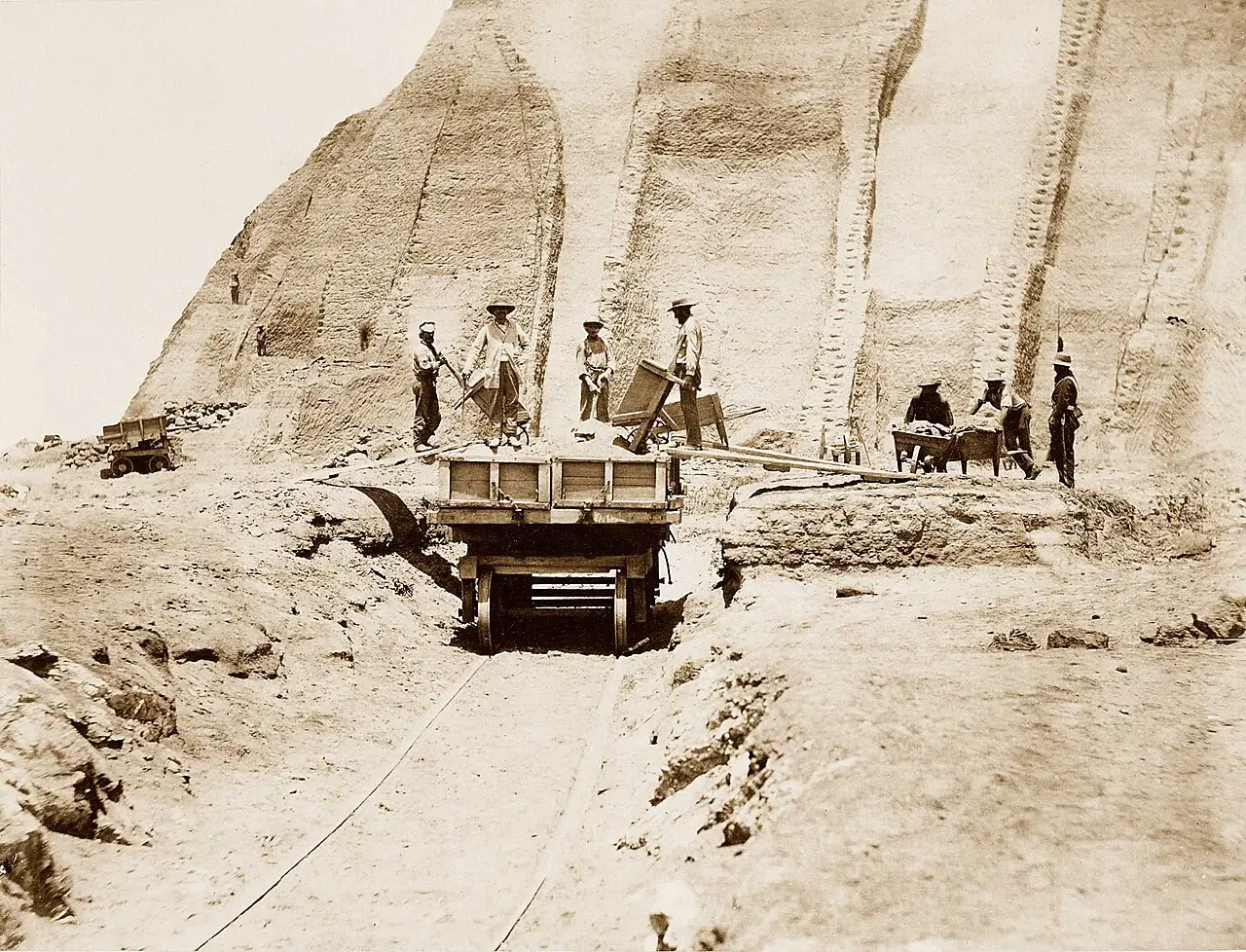
Spain seized the Chincha Islands to put pressure on Peru, whose government depended on guano from the islands. Guano is seabird droppings rich in nitrogen and phosphate. Peru exported about 12 million tons of it between the 1840s and the 1870s. At the peak in 1853, guano made up 74% of Peru's exports, and it was the state's main source of revenue. Thousands of Chinese indentured workers dug it on the islands in harsh conditions.
On April 14, 1864, a Spanish squadron under Admiral Luis Hernández Pinzón landed marines on the islands. Spain had never formally recognized Peru's independence, and it was pressing claims over attacks on Spanish settlers. Chile declared war on Spain in September 1865. Peru, Ecuador and Bolivia joined in 1866. The Spanish fleet bombarded Valparaíso on March 31, 1866, and attacked Peru's port of Callao on May 2. Then it left the Pacific. Peru still celebrates the day as Dos de Mayo.
History
Which country mined the most potash 100 years ago?
Germany mined almost all of it. Potash salts were first mined at Stassfurt, in Prussia, in the early 1860s. In 1913 the German potash syndicate sold 1,110,369 tonnes of pure potash. No other country mined a significant amount. Germany banned potash exports in January 1915. Between 1914 and 1916 the price of potash in the United States rose about eight to ten times.
Germany had annexed Alsace after the Franco-Prussian War in 1871. In 1904 a boring near Wittelsheim, in Alsace, struck potash. The Treaty of Versailles returned Alsace to France in 1919, and France took over the Alsatian mines. Germany now shared its monopoly with France. Oil drillers later found new deposits in North America. In 1925 a geologist recognized potash in cuttings from an oil well near Carlsbad, New Mexico. In 1942 oil drillers found potash in Saskatchewan, and Canada's first potash mine opened at Esterhazy in 1962.
Share of world potash output
19132025
History
How phosphate mining emptied Banaba and stripped Nauru
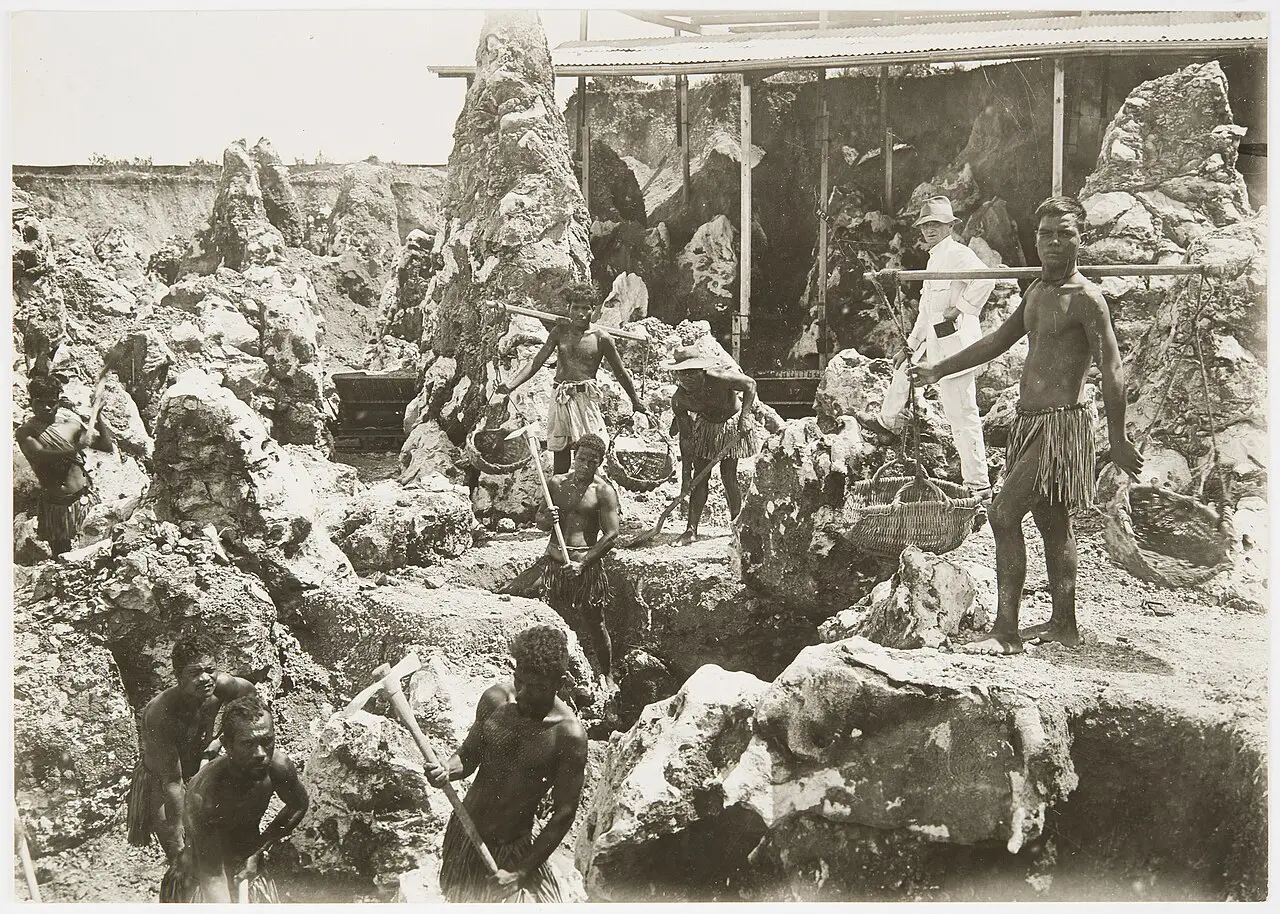
Phosphate mining left Banaba without its people and stripped about 80% of Nauru's surface. In 1899 Albert Fuller Ellis, a company analyst in Sydney, tested a rock from Nauru that the office used as a doorstop. It was high-grade phosphate. In 1900 Ellis signed a deal with a few elders on Banaba: phosphate rights for 999 years for £50 a year.
In 1920 Britain, Australia and New Zealand bought the British mining company's rights on both islands for £3.5 million. Nauru became a League of Nations mandate under Australia. After Japan's surrender in August 1945, Japan's garrison on Banaba killed about 150 Gilbertese and Banaban laborers. One man, Kabunare Koura, survived. In December 1945 Britain moved the Banabans to Rabi Island in Fiji, bought with their own phosphate money. Nauru became independent in 1968. In 1989 Nauru sued Australia at the International Court of Justice over land mined before independence, and Australia settled in 1993 for A$107 million.
Other resources
All 33 resources →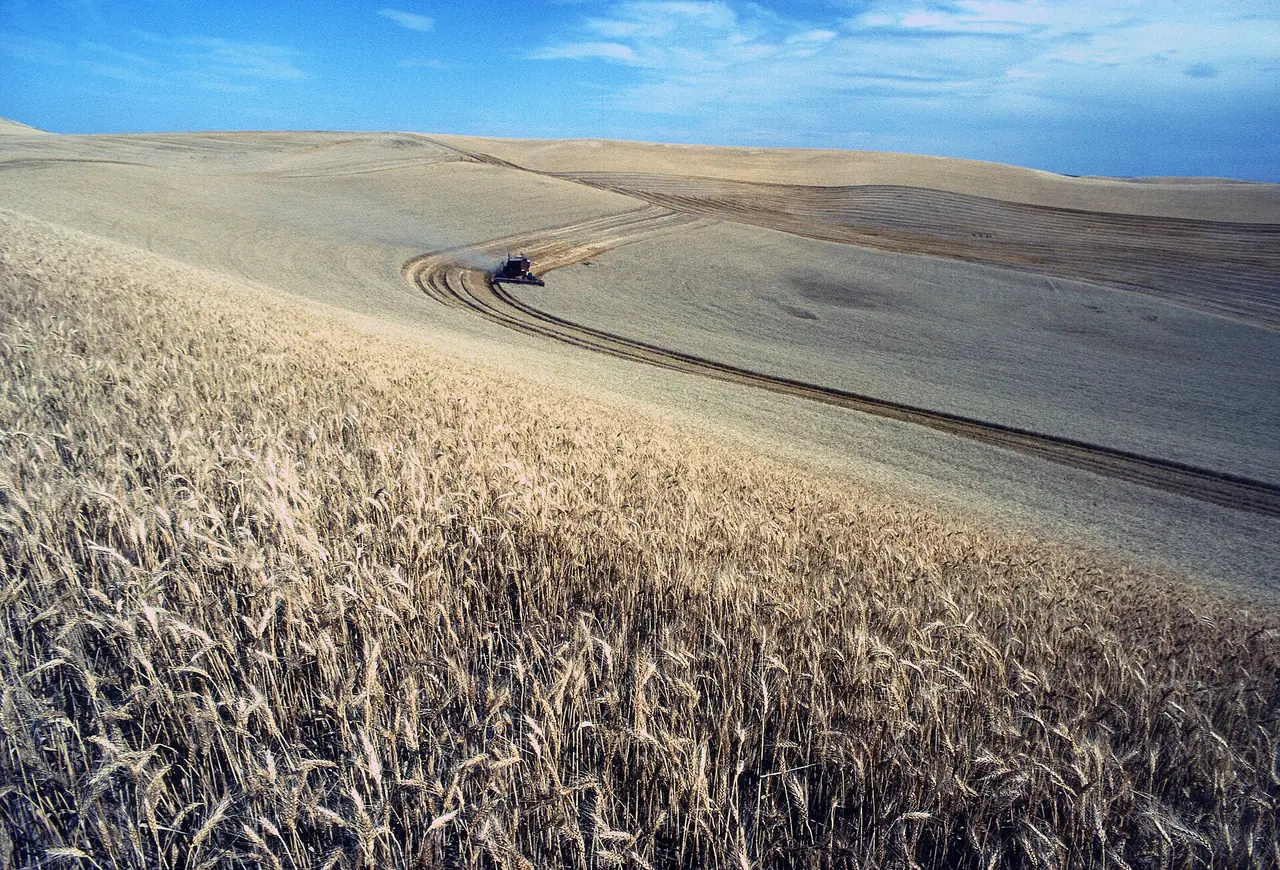 China 17.5%
Food and farming
Wheat
China grows the most wheat. Russia exports the most, 21% of world trade.
 United States 25%
Energy
Natural gas
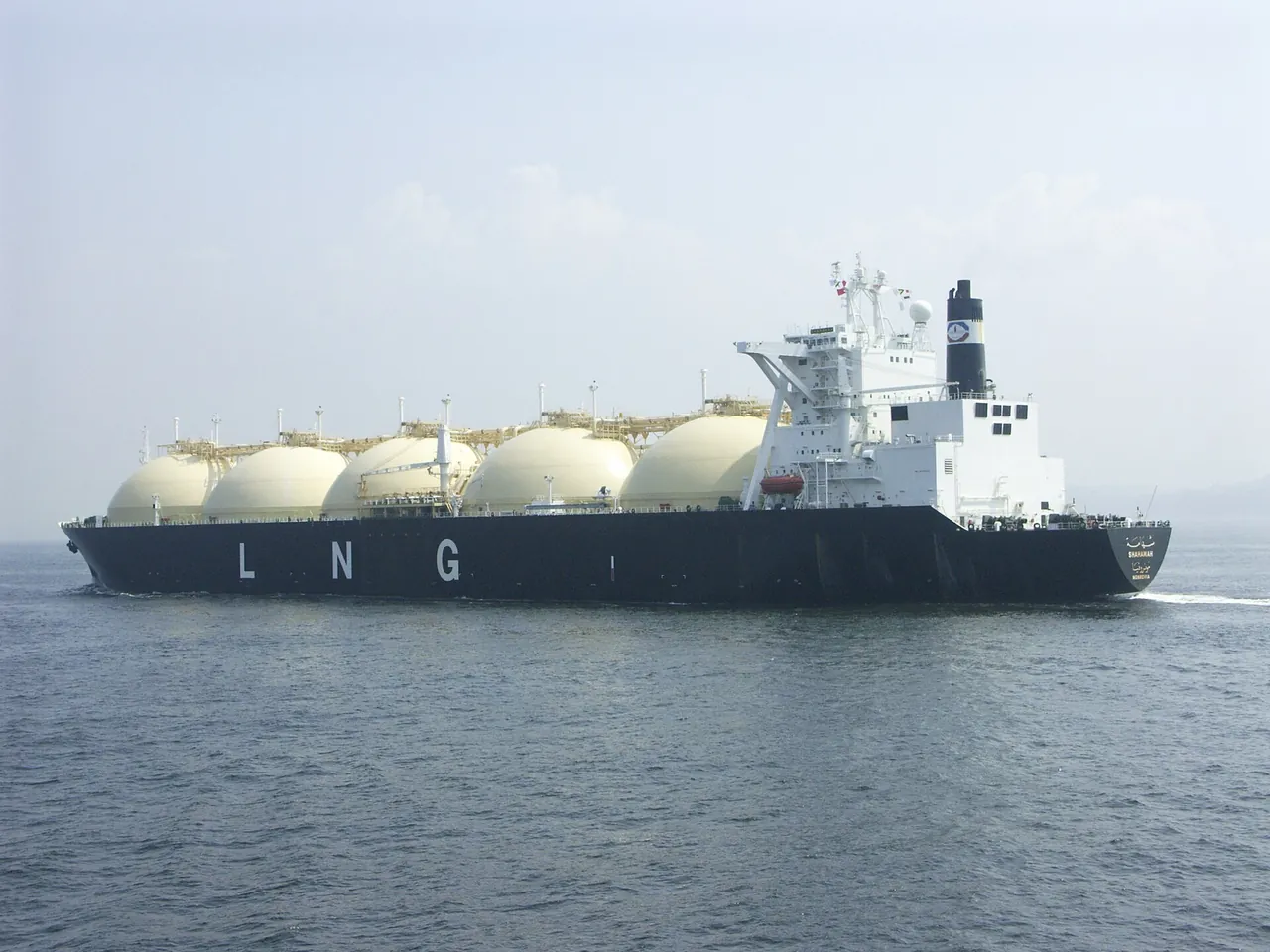
Qatar's LNG cargoes fell 96% in six months after Iran closed the Strait of Hormuz.
 Australia 38%
Industrial metal
Iron ore
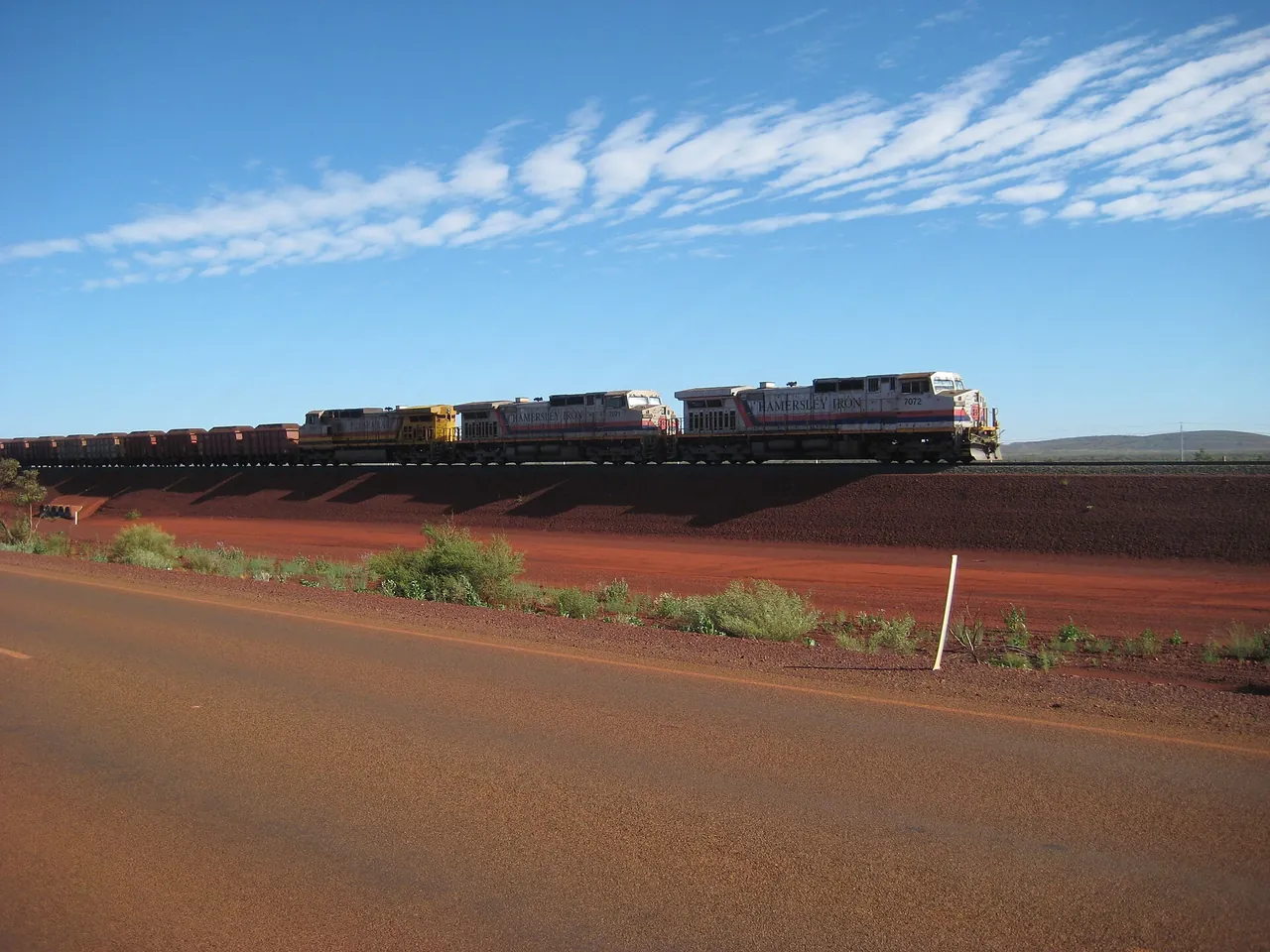
China mines 11% of the world's iron ore but buys three quarters of seaborne trade.