Why did the British Empire fall?
The British Empire peaked at a quarter of the world's land in 1921. It fell in fifty years, broken not by its enemies but by the wars it won.
In 1921, the British Empire covered a quarter of the world's land and governed roughly 458 million people. It was the largest empire in human history, and it had just finished winning the most destructive war the world had ever seen.
No rival power conquered it. What brought the empire down was a combination of two financially ruinous wars, an American ally that quietly dismantled the imperial trade system, and colonial nationalism that Britain could no longer afford to suppress. The empire fell because winning cost more than it could pay.
The first war broke the bank
Before 1914, Britain was the world's largest overseas creditor. The Royal Navy controlled the sea lanes. British banks financed global trade. Fifty years earlier, British factories had produced roughly 45% of the world's manufactured goods, and the trading network built on that lead still anchored the global economy.
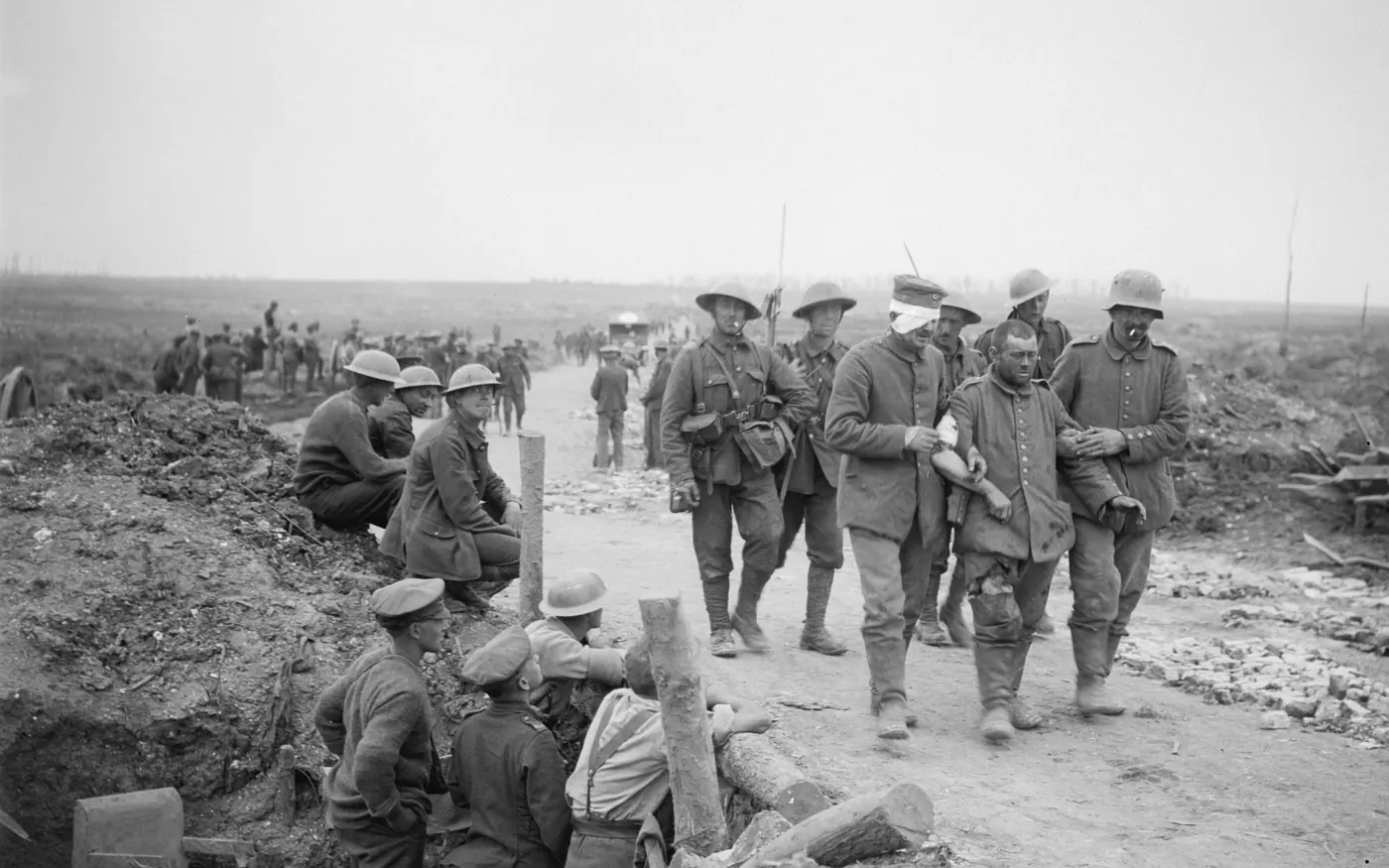
World War I wrecked the financial foundation. Nearly 900,000 soldiers from across the British Empire were killed. National debt jumped from about 30% of GDP to roughly 130%. Britain borrowed heavily from the United States and sold off a large share of its American investments to pay for the war. The world's largest creditor became a debtor.
The human cost mattered politically too. India sent over 1.3 million soldiers to fight for an empire that ruled them. When the war ended, Indian leaders expected progress toward self-governance. Instead, in April 1919, General Reginald Dyer ordered his troops to open fire on an unarmed crowd at Jallianwala Bagh in Amritsar. At least 379 people were killed. The British government initially defended Dyer. For millions of Indians, the massacre ended any remaining faith that the empire meant to keep its promises.
The second war sold the empire to America
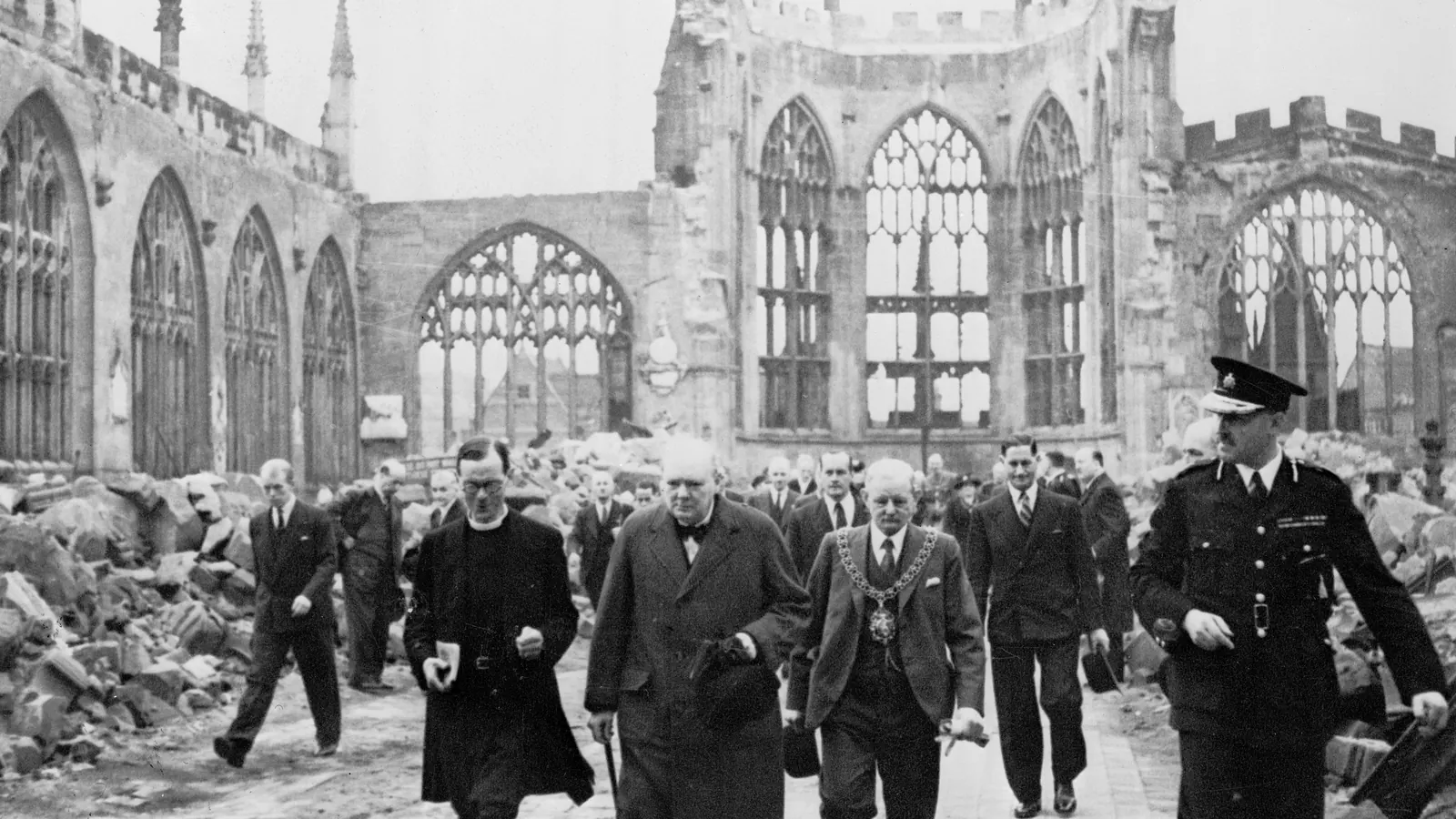
World War II finished what the first war started. Britain survived the Blitz, fought in North Africa, and helped liberate Europe, but only by borrowing billions from the United States through Lend-Lease.
The help came with conditions. Franklin Roosevelt pushed Britain to dismantle Imperial Preference, the system of tariffs that gave British goods favored access to colonial markets. In August 1941, Roosevelt and Churchill signed the Atlantic Charter, which promised "the right of all peoples to choose the form of government under which they will live." Churchill insisted the clause applied only to European nations under Nazi occupation. Roosevelt was deliberately vague. Indian nationalists quoted the Charter the moment it was published.
Churchill resisted. "I have not become the King's First Minister in order to preside over the liquidation of the British Empire," he told Parliament in November 1942. But the money had already decided the question. By 1945, Britain owed the United States roughly $4.4 billion. The country's gold and dollar reserves were nearly gone. Britain won the war but could no longer afford to hold an empire together by force.
India was the first domino
India was not just another colony. It was the colony. The British Raj governed 300 million people, supplied the soldiers that garrisoned much of the rest of the empire, and sat at the center of the trade routes that connected Britain to Southeast Asia, the Middle East, and East Africa. Lose India, and the strategic logic of everything else collapsed.
Gandhi, a London-trained barrister who dressed in homespun cotton to symbolize Indian self-sufficiency, had been building the independence movement for decades: the salt march in 1930, the mass civil disobedience campaigns of the 1930s, the growing support of Nehru and the Indian National Congress. In August 1942, with Japan advancing toward India's eastern border, Gandhi launched the Quit India movement, demanding immediate independence while Britain was fighting for its survival. The British arrested Gandhi and the entire Congress leadership. The movement did not stop.
By 1947, Britain no longer had the will, the money, or the soldiers to hold India. Lord Mountbatten arrived in March with instructions to transfer power. The original deadline was June 1948. He moved it forward to August 15, 1947. The partition that followed split the subcontinent into India and Pakistan along religious lines drawn in five weeks by a British lawyer who had never visited India. Between 200,000 and two million people were killed. About 15 million were displaced.
When India left, the rationale for everything else unraveled. Singapore, Malaya, the Suez Canal zone, Aden: Britain had held each of them because they sat along the route to India. Without India, they were outposts guarding a road to nowhere.
Suez proved the point
If India's independence was the structural collapse, the Suez Crisis was the moment every government in the world saw it happen.
In July 1956, Gamal Abdel Nasser, the army officer who had overthrown Egypt's king four years earlier, nationalized the Suez Canal. The canal had been controlled by a British-French company since 1869. Britain, France, and Israel invaded Egypt in October without telling Washington.
Eisenhower was furious. He did not send troops or issue threats. He did something more effective: he let the pound fall. Sterling was already under speculative pressure, and the US Treasury made clear it would block IMF support for the currency unless Britain accepted a ceasefire and withdrew. Britain complied within a week.
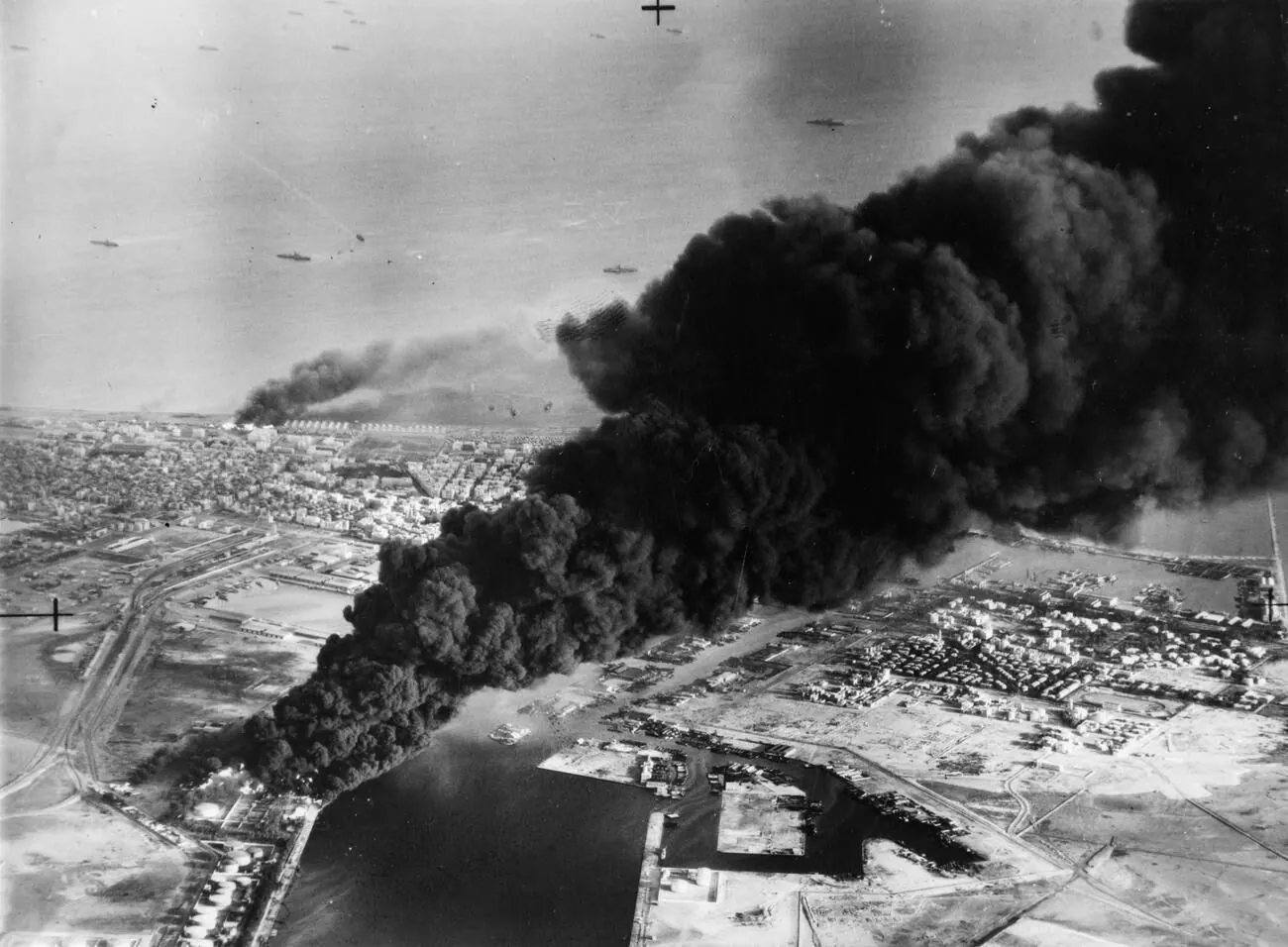
Before Suez, the British political class could still believe that Britain was a great power choosing to let colonies go. After Suez, that was over. Britain could not act militarily anywhere in the world without American permission. The empire was finished in every way except the paperwork.
The wind of change
The paperwork went fast. Ghana, led by Kwame Nkrumah, became independent in March 1957, the first sub-Saharan African colony to break free. In 1960, the Year of Africa, 17 nations gained independence in a single year. Nigeria followed. Then Kenya in 1963, after a brutal war against the Mau Mau uprising that had already shown the cost of holding colonies by force.
On February 3, 1960, Harold Macmillan stood before the South African Parliament in Cape Town and told the apartheid government that "the wind of change is blowing through this continent." The speech was addressed to South Africa, but its audience was the world: Britain had accepted that the age of empire was over.
By the late 1960s, nearly everything was gone. Aden fell in 1967. The last troops east of Suez were withdrawn by 1971. On July 1, 1997, Britain handed Hong Kong back to China in a midnight ceremony, ending 156 years of British rule on the island. It had taken three and a half centuries to build the largest empire in history and about fifty years to take it apart.
What the wars paid for
Kashmir, Northern Ireland, Israel and Palestine: all trace back to borders Britain drew or promises Britain made. The economic patterns the empire built, extracting raw materials from colonies and selling them finished goods, left structures of trade that persist decades after independence. The Commonwealth of Nations has 56 member states. King Charles III remains the head of state of 14 countries besides the United Kingdom. But the debates over what the empire did, who it enriched, and what it destroyed are not settling. In 2020, protesters in Bristol pulled down the statue of slave trader Edward Colston and rolled it into the harbor. At Oxford, Cecil Rhodes still stands on the facade of Oriel College.
The British Empire was the largest the world has ever seen. It was not brought down by a stronger rival or a catastrophic defeat. It was destroyed by the cost of its own victories: two world wars that drained the treasury, empowered a successor who did not believe in empires, and gave colonized peoples the moral leverage to demand what the Atlantic Charter had promised them. The price of winning was the empire itself.
Test what you learned
6 questions on this article. About two minutes, no signup.
Orbis has a full course on this
The British Empire. 51 lessons, each ending with a quiz like this one.