
Country profile · Horn of Africa
 Djibouti
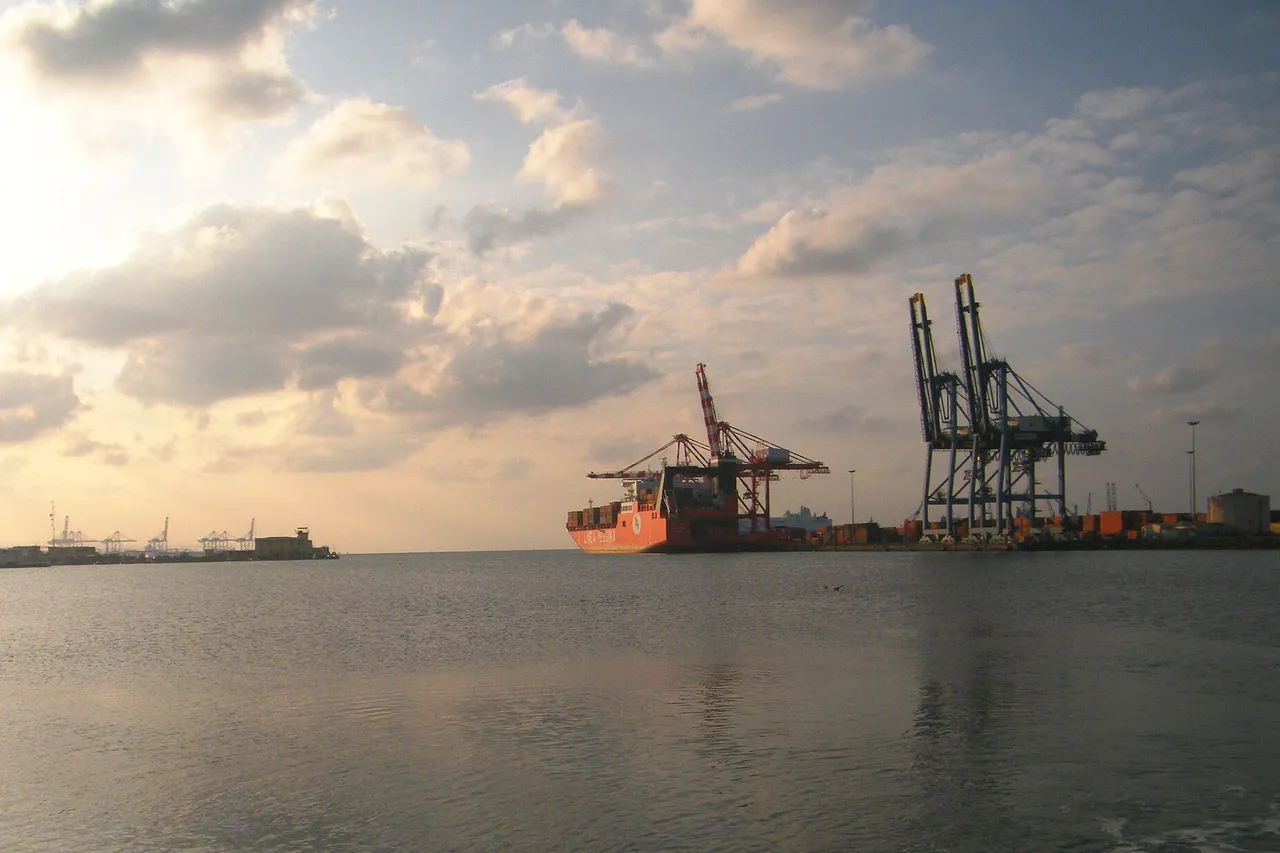
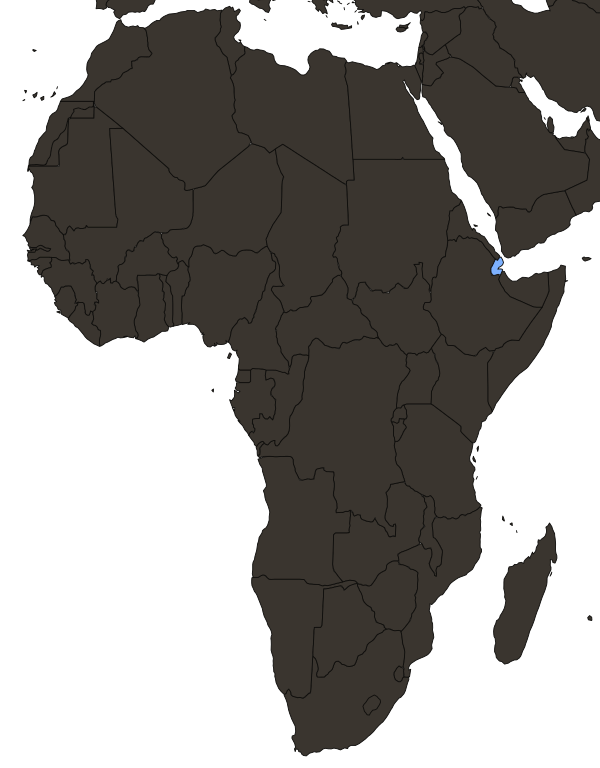
 is a desert country of about 1.1 million people on the Bab el-Mandeb strait, where the Red Sea meets the Gulf of Aden. Its ports handle almost all of Ethiopia's sea trade. The United States, China, France, Japan and Italy all have military bases there. President Ismaïl Omar Guelleh has ruled since 1999 and won a sixth term in April 2026.
Where Djibouti ranks
All rankings →Which alliances is Djibouti in?
All alliances →Who runs Djibouti?
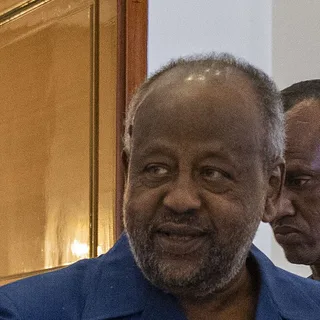
President Ismaïl Omar Guelleh was born in 1947 in Dire Dawa, Ethiopia. He served as chief of cabinet to his uncle, Hassan Gouled Aptidon, Djibouti's first president, from independence from France on June 27, 1977 until 1999. Guelleh then won the presidency and has won every election since. In October and November 2025 parliament voted unanimously to remove a constitutional limit that barred candidates older than 75. On April 10, 2026 Guelleh won a sixth term with 97% of the vote. The main opposition parties boycotted, as they have since 2016, and he faced one challenger. The ruling coalition holds 58 of the 65 seats in the National Assembly (chart). Abdoulkader Kamil Mohamed has been prime minister since 2013. Guelleh turns 79 in November 2026 and has named no successor. His stepson, Naguib Abdallah Kamil, is often named as a favorite. About 72% of Djiboutians live in the capital, Djibouti City.
- Union for the Presidential Majority (Guelleh's coalition) 58
- Union for Democracy and Justice 7
Photo (September 2023): US Department of Defense, Wikimedia Commons, public domain (cropped)
Who are Djibouti's allies and rivals?
Ethiopia is Djibouti's most important partner. Ethiopia sends about 97% of its sea freight through Djibouti's ports and supplies about 70% of Djibouti's electricity. Ethiopia wants a coast of its own, which worries Djibouti. In January 2024 Ethiopia signed a preliminary deal with Somaliland for a naval base on its coast. The deal was later shelved. In April 2026 Djibouti said Ethiopia had turned down a 60% stake in its port of Tadjourah. War broke out again in northern Ethiopia in September 2026, and on October 1 Ethiopia and Eritrea cut diplomatic ties. Djibouti fought a short border war with Eritrea at Ras Doumeira in June 2008, and the dispute is still unresolved. When Israel recognized Somaliland in December 2025, Djibouti condemned it and closed Somaliland's office in Djibouti City. China is Djibouti's biggest lender. Since September 2026 the Houthis have held the whole Yemeni shore of the strait, about 30 km away.
Allies and partners
 EthiopiaSends 97% of its sea freight through Djibouti
 ChinaBiggest lender; first overseas base, opened 2017
 United StatesCamp Lemonnier, its only permanent base in Africa
 FranceAbout 1,500 troops; new 20-year treaty in 2024
 Saudi ArabiaMaritime alliance (2026); Saudi firm runs Tadjourah port
 SomaliaDjiboutian troops serve in the AU mission there
Rivals and tensions
 EritreaBorder war in 2008; dispute still open
- HouthisHold Yemen's shore of the strait since September 2026
- SomalilandDjibouti closed its office after Israel's recognition
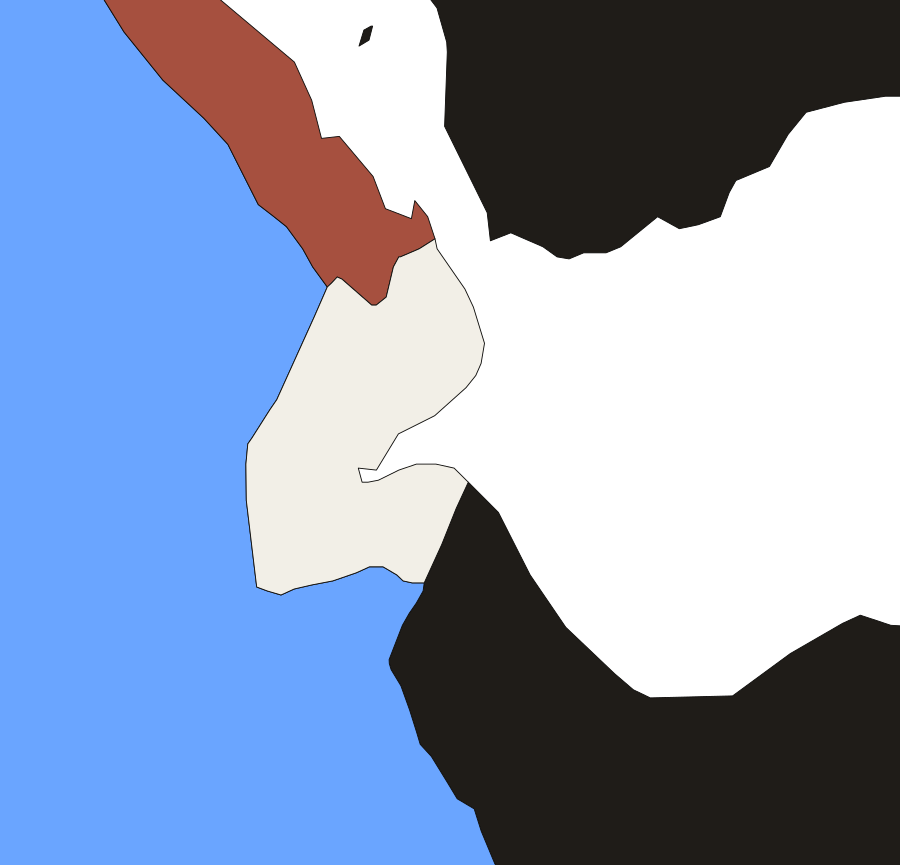
- Djibouti City The capital and port. Five foreign bases sit within about 16 km of each other.
- Ras Doumeira Border cape where Djibouti and Eritrea fought in June 2008. Djibouti says 44 soldiers died. The dispute is unresolved.
- Perim Yemeni island in the strait, taken by the Houthis on September 11, 2026.
- Berbera Somaliland's port, run by DP World of the UAE. A rival to Djibouti for Ethiopia's trade.
- Djibouti
- Partner
- Tensions
Why does Djibouti have so many foreign military bases?
Djibouti sits on the Bab el-Mandeb strait, the passage between the Suez Canal and Asia, and it has been stable for decades. Five countries have bases there. Djibouti is the only place with both a permanent American and a permanent Chinese base. Camp Lemonnier is the only permanent US base in Africa, with about 4,000 personnel. The United States agreed in 2014 to pay $63 million a year for it. China opened its first and only acknowledged overseas base on August 1, 2017, about 11 km away. France has about 1,500 troops at its largest base in Africa, after it left the Sahel, Senegal and Côte d'Ivoire. A 2024 treaty raised France's payment to €85 million a year. Japan's only overseas base opened in 2011 and Italy's in 2014. Rents are estimated at $150 to 200 million a year. Djibouti has reportedly barred the United States from attacking the Houthis from its soil. The government says it does not want to be dragged into the war with Iran.
Who does Djibouti trade with?
Djibouti lives from its ports. In Ethiopia's year to July 2026 they handled 17.6 million tonnes of Ethiopian freight, 96.7% of the total (Ethiopian transport ministry). In 2023 Djibouti recorded $4.8 billion of exports, 83.5% of them to Ethiopia (chart). More than 90% are re-exports, goods brought in and sent on. China, India and the United Arab Emirates are the main suppliers. A Chinese-built electric railway has linked Djibouti to Addis Ababa since 2018. In 2018 Djibouti seized the Doraleh container terminal from DP World of Dubai. London arbitration tribunals have repeatedly ruled the seizure unlawful. Djibouti has not paid the awards. The Red Sea crisis has helped: in 2024 port activity rose 7.4% as ships used Djibouti to transfer cargo. In September 2026 Ethiopia, Djibouti and the Nigerian businessman Aliko Dangote broke ground on a $660 million fuel pipeline to Ethiopia.
Sells to
Share of Djibouti's exports
- Ethiopia83.5%
 United Arab Emirates4.6%
- China2.4%
- France1.8%
- United States1.6%
Buys from
Share of Djibouti's imports
- China17.7%
 India14.5%
- United Arab Emirates11.4%
 Turkey9.3%
- Saudi Arabia8.5%
Goods, 2023, as reported by Djibouti. UN Comtrade.
How much does Djibouti owe China?
China's Exim Bank paid for much of Djibouti's building boom: about $492 million for its part of the railway in 2013, $322 million for a water pipeline from Ethiopia and about $340 million for the Doraleh Multipurpose Port, which opened in 2017. In 2024 Djibouti owed China about half of its foreign public debt, one of the highest shares in the world (chart). Its external public debt was about 70% of GDP. Djibouti stopped paying Chinese lenders in late 2022. In October 2023 China agreed to a four-year pause on the railway and water loans. The IMF rates Djibouti "in debt distress," its worst category, and debt payments are due to peak in 2028. Djibouti has almost no farmland, about 0.1% of its land, and imports about 90% of its food.
China's share of foreign public debt, 2024
Full ranking → Equatorial Guinea
 Republic of the Congo
 Laos


World Bank International Debt Statistics, 2025 edition