
Resource · Industrial metal
Aluminum and bauxite
Bauxite is the ore that becomes aluminum. Guinea mined the most in 2025, about 150 million tonnes or 34.1% of the world total. Australia was second at 22.0% and China third at 19.8%. China refined 62% of the world's alumina and smelted about 61% of its new aluminum. The United States charges a 50% tariff on aluminum imports.
- Bauxite mined in 2025
- 440 million t
- USGS estimate, dry tonnes
- Largest miner
 34.1%
- 150 million t of bauxite, 2025
- Smelted in China
 61%
- 45 of 74 million t of aluminum, 2025
- US tariff
 50%
- on aluminum since June 4, 2025
- Guinea's exports
- +25%
- 182.8 million t of bauxite exported in 2025
Which countries mine the most bauxite?
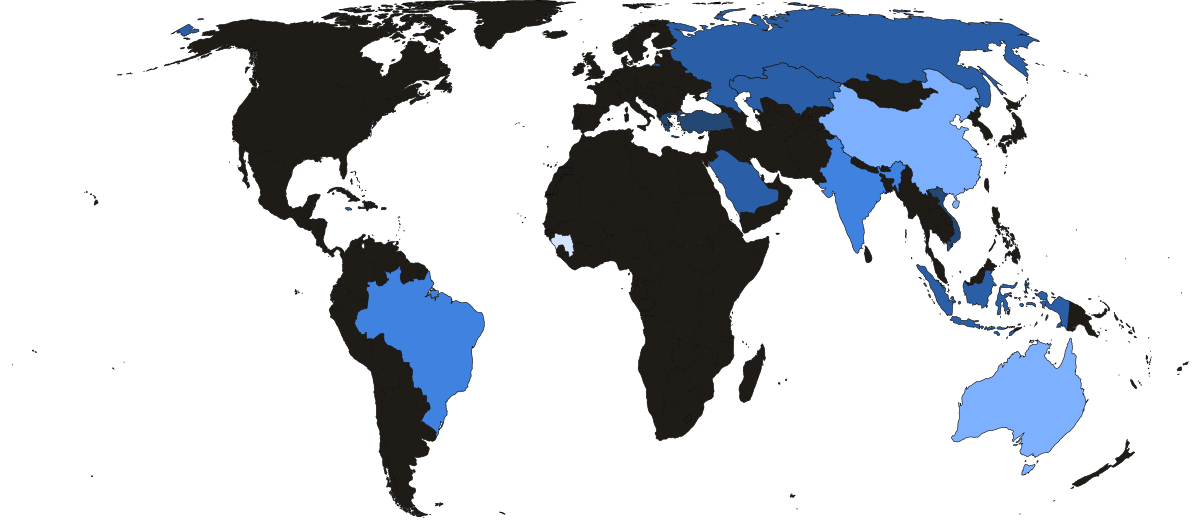
Guinea mined about 150 million tonnes of bauxite in 2025, 34.1% of the world's 440 million tonnes. Australia was second with 22.0% and China third with 19.8%. The top three countries together accounted for 75.9% of output. Guinea's production grew 5.6% from 2024, outpacing the world's 2.8% growth. Guinea also holds the largest reserves: 7.4 billion tonnes, about a quarter of the world's 29 billion. Indonesia banned bauxite exports in June 2023, and its mine output fell sharply after the ban.

- Under 1%
- 1%–5%
- 5%–10%
- 10%–25%
- Over 25%
- No production
Who makes the most aluminum?
China smelted about 45 million tonnes of primary aluminum in 2025, about 61% of the world's 74 million tonnes. India was a distant second with 5.7%. Smelting takes huge amounts of electricity: Australia's smelters used about 14,550 kilowatt-hours per tonne in 2025. So smelters sit near cheap power: hydroelectricity in Quebec, Iceland and Norway, natural gas in the Gulf and coal in China.
Iranian strikes hit two Gulf smelters on March 28, 2026. Emirates Global Aluminium's Al Taweelah smelter in Abu Dhabi shut down, and half of it had restarted by October 21. Aluminium Bahrain (Alba) was running at about 80% of its pre-war output in September.
Who makes the world's aluminum
Share of world primary aluminum, 2025
Why does China make most of the world's aluminum?
China mined 19.8% of the world's bauxite in 2025 but refined 62% of its alumina and smelted 61% of its aluminum. This means China imports most of its ore. Chinese customs recorded a record 200.5 million tonnes of bauxite imports in 2025, up 26.4% from 2024. Guinea supplied 74.3% of them and Australia 18.6%.
China has capped smelting capacity at about 45 million tonnes a year since 2017. Output still reached a record yearly pace of about 46.7 million tonnes in August 2026. China also buys Russian metal that sanctions keep out of Western markets: Russia supplied 96% of China's primary aluminum imports in August 2026.
From bauxite to aluminum
China's share at each step, 2025
China 20%Guinea 34% Australia 22%China 20%China 62%Australia 11%
 Brazil 7.3%China 61%
 India 5.7%
 Russia 5.3%
What is happening with Guinea's bauxite?
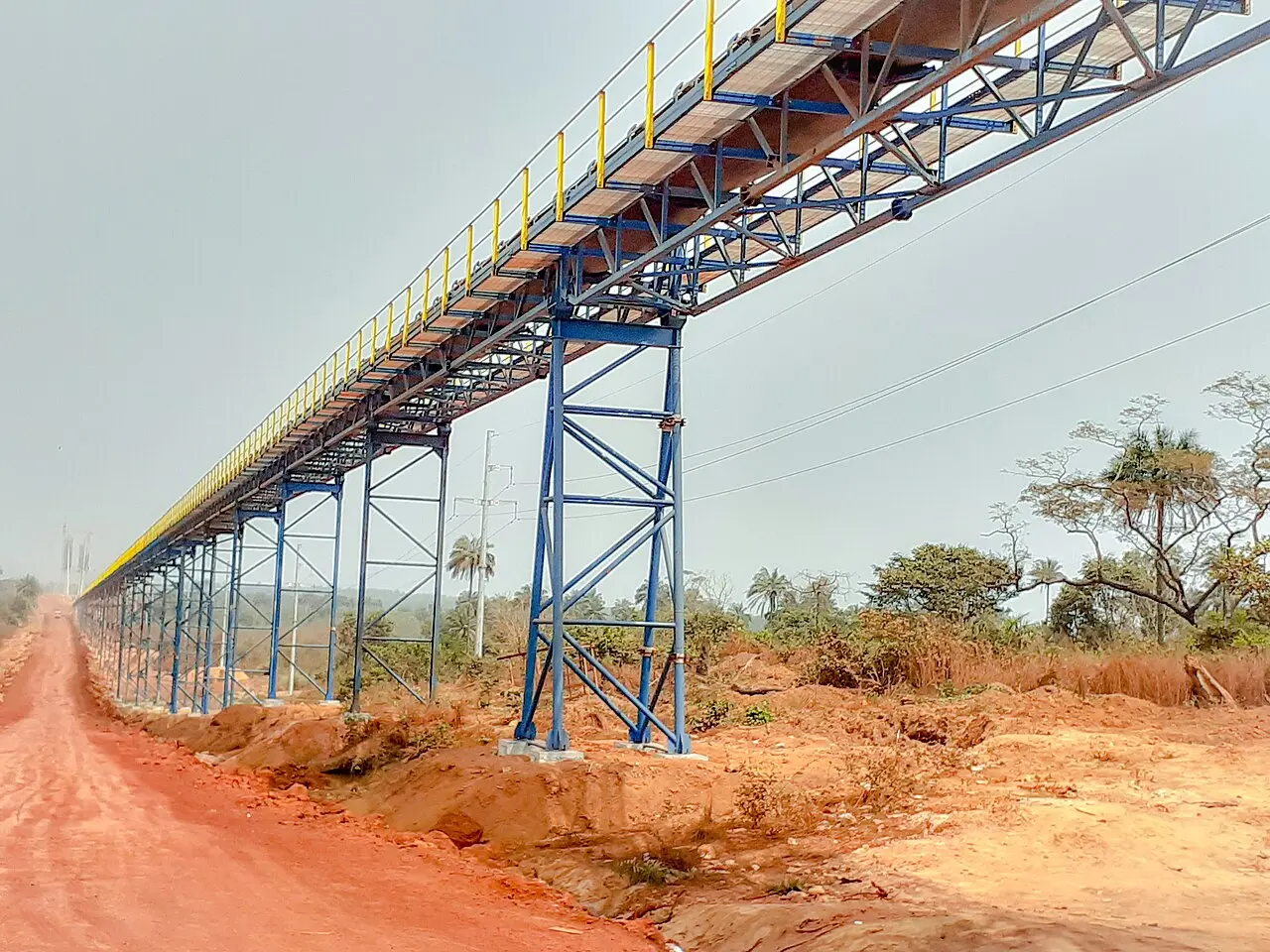
Guinea exported 182.8 million tonnes of bauxite in 2025, up 25% from 2024, and a record 114.8 million tonnes in the first half of 2026. Most of it went to China.
President Mamadi Doumbouya, who took power in a 2021 coup and won a December 2025 election, revoked 46 mining licences in May 2025. On August 4, 2025, his government gave the concession of Guinea Alumina Corporation, a subsidiary of Emirates Global Aluminium, to the state-backed Nimba Mining, saying the company had failed to build an alumina refinery. The two sides settled in May 2026. Guinea mines 34% of the world's bauxite but refines only 0.24% of its alumina.
Guinea's bauxite exports
Million tonnes a year
What are the US tariffs on aluminum?
The United States has charged a 50% Section 232 tariff on most aluminum imports since June 4, 2025. It started at 10% in March 2018 and rose to 25% in March 2025. On April 2, 2026, President Donald Trump restructured it: 50% on goods made entirely or almost entirely of aluminum, 25% on goods made substantially of it, and 15% on some industrial and grid equipment through 2027.
Canada supplied 56% of US aluminum imports from 2021 to 2024. Since September 15, 2026, some Canadian aluminum products have paid an extra 50% duty on top of a 25% tariff.
Where US aluminum imports come from
Share of US imports, 2021-24
 Canada56%
 United Arab Emirates8%
 Bahrain4%
- China3%
- Everyone else29%
History
Why did aluminum matter so much in the Second World War?
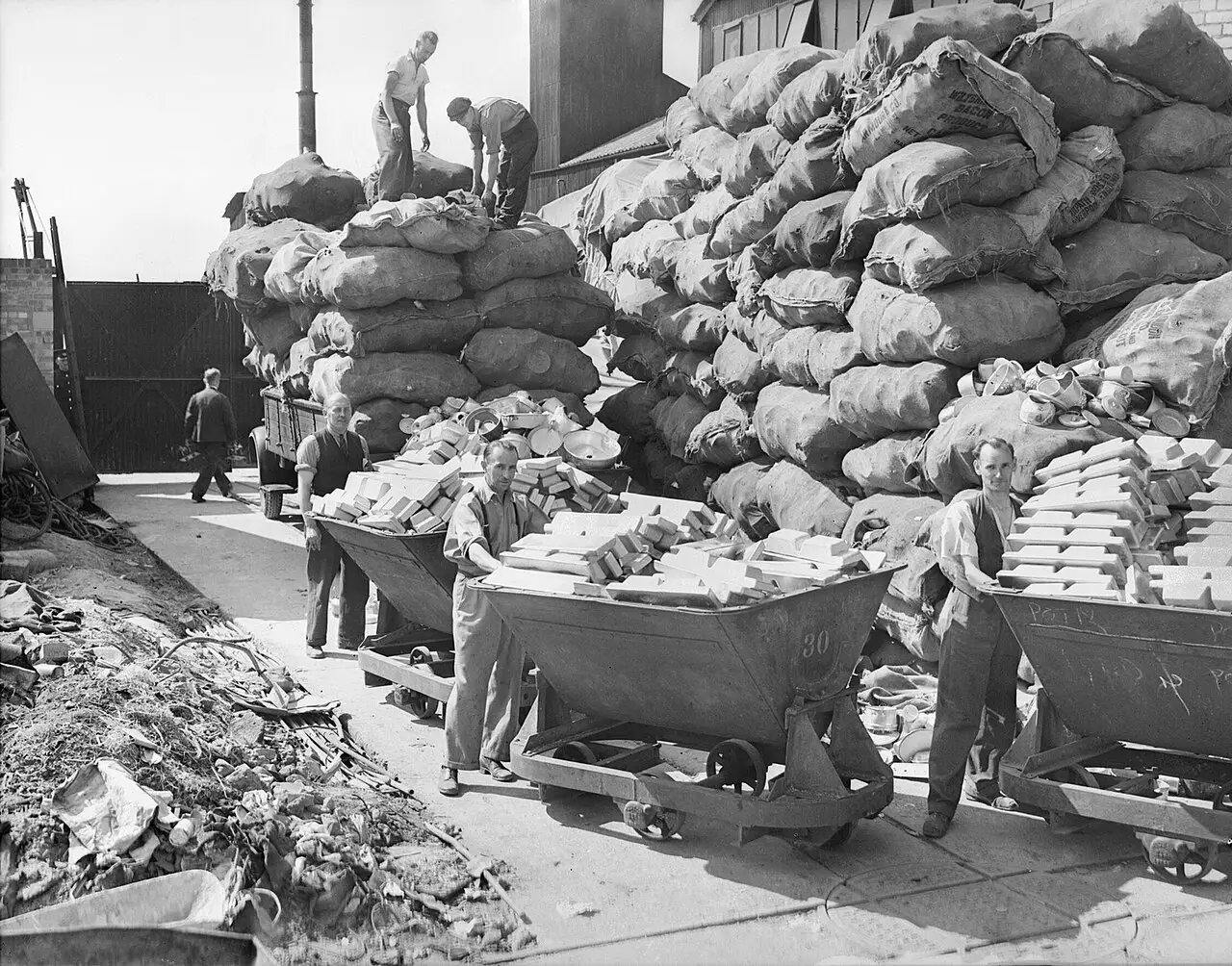
The warplanes of the late 1930s were built largely from duralumin, an aluminum alloy, so the major powers treated aluminum as a war material. In 1939 Germany was the largest producer, with 28% of world output. Its smelters ran entirely on imported bauxite, much of it from Hungary and Yugoslavia. In July 1940 Lord Beaverbrook, Winston Churchill's Minister of Aircraft Production, asked British women to give their aluminum pots and pans for aircraft. By July 27 the Women's Voluntary Service had collected over 1,000 tons.
On July 30, 1941, Joseph Stalin told the American envoy Harry Hopkins: "Give us anti-aircraft guns and the aluminum and we can fight for three or four years." On November 24, 1941, President Franklin Roosevelt sent American troops to the Dutch colony of Suriname to guard bauxite mines that supplied over 60% of US aluminum needs. Japan attacked Pearl Harbor 13 days later. US aluminum output grew more than fivefold from 1939 to 1943.
History
Which countries mined the most bauxite 50 years ago?
In 1974 Australia mined the most bauxite, 24% of the world total, and Jamaica was second with 18.5%. Jamaica, Suriname and Guyana together mined 31%. Guinea mined 7.4%. After the 1973 oil embargo, Jamaica's oil import bill nearly tripled in a year. On May 15, 1974, Jamaica's prime minister, Michael Manley, announced a levy on bauxite of 7.5% of the price of aluminum ingot. Jamaica's bauxite revenue rose from $19.2 million in 1973 to $180 million in 1974.
In March 1974, seven producers founded the International Bauxite Association in Conakry, Guinea. It was modeled on OPEC. By 1976 its members mined about 70% of the world's bauxite. But the association never worked as a cartel. Bauxite is common, and Australia, its largest producer, opposed the association's minimum prices. The aluminum companies moved new investment to Australia, Brazil and Guinea, and several closed their Jamaican operations by the mid-1980s. Suriname's last bauxite mines shut down in 2015.
Share of world bauxite mine output
19742025

Other resources
All 33 resources →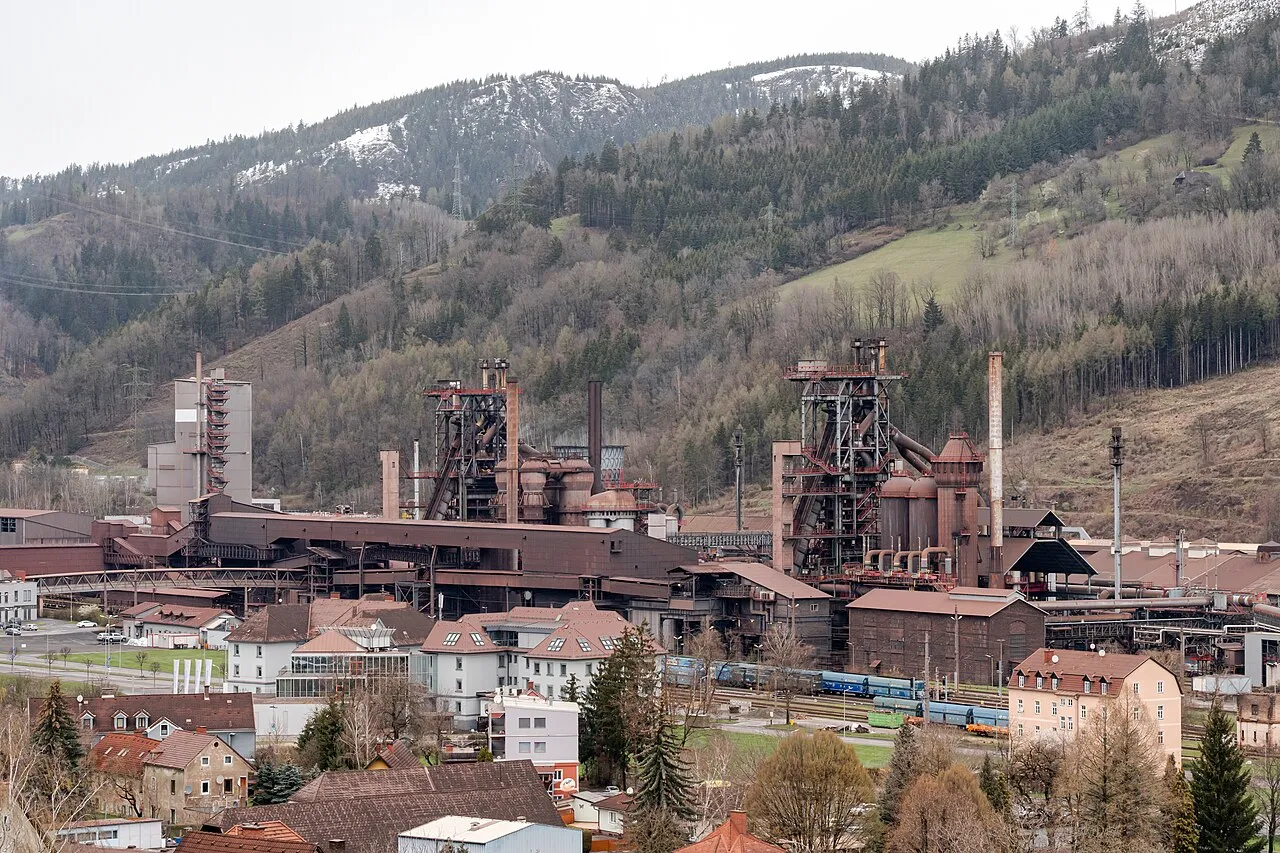 China 52%
Industrial metal
Steel
China makes more than half the world's steel and exported a record 119 million tonnes in 2025.
 Australia 38%
Industrial metal
Iron ore
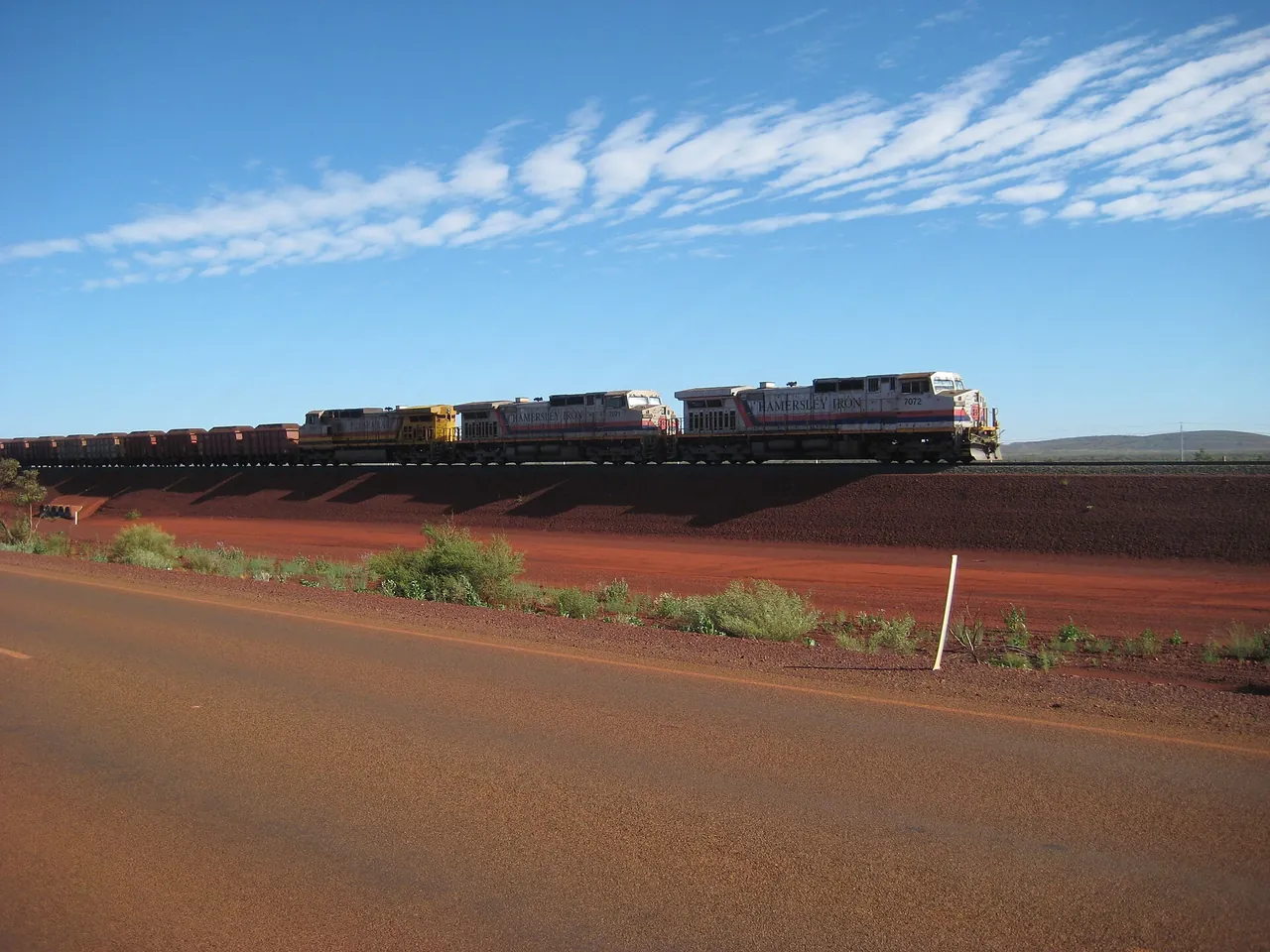
China mines 11% of the world's iron ore but buys three quarters of seaborne trade.
 China 99%
Critical mineral
Gallium and germanium
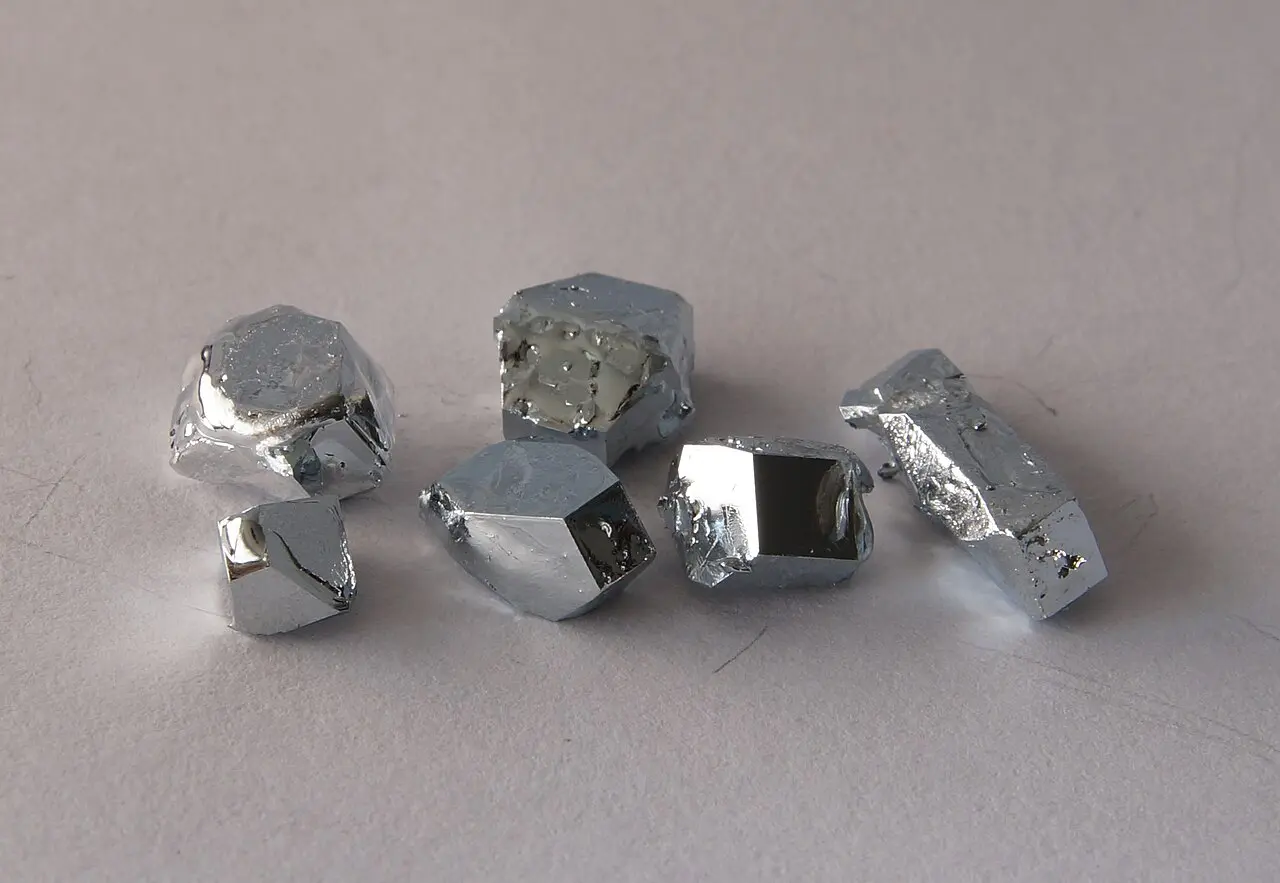
By-products of alumina and zinc refining, used in chips, radar and infrared optics. China makes 99% of the gallium.