
Resource · Energy
Coal
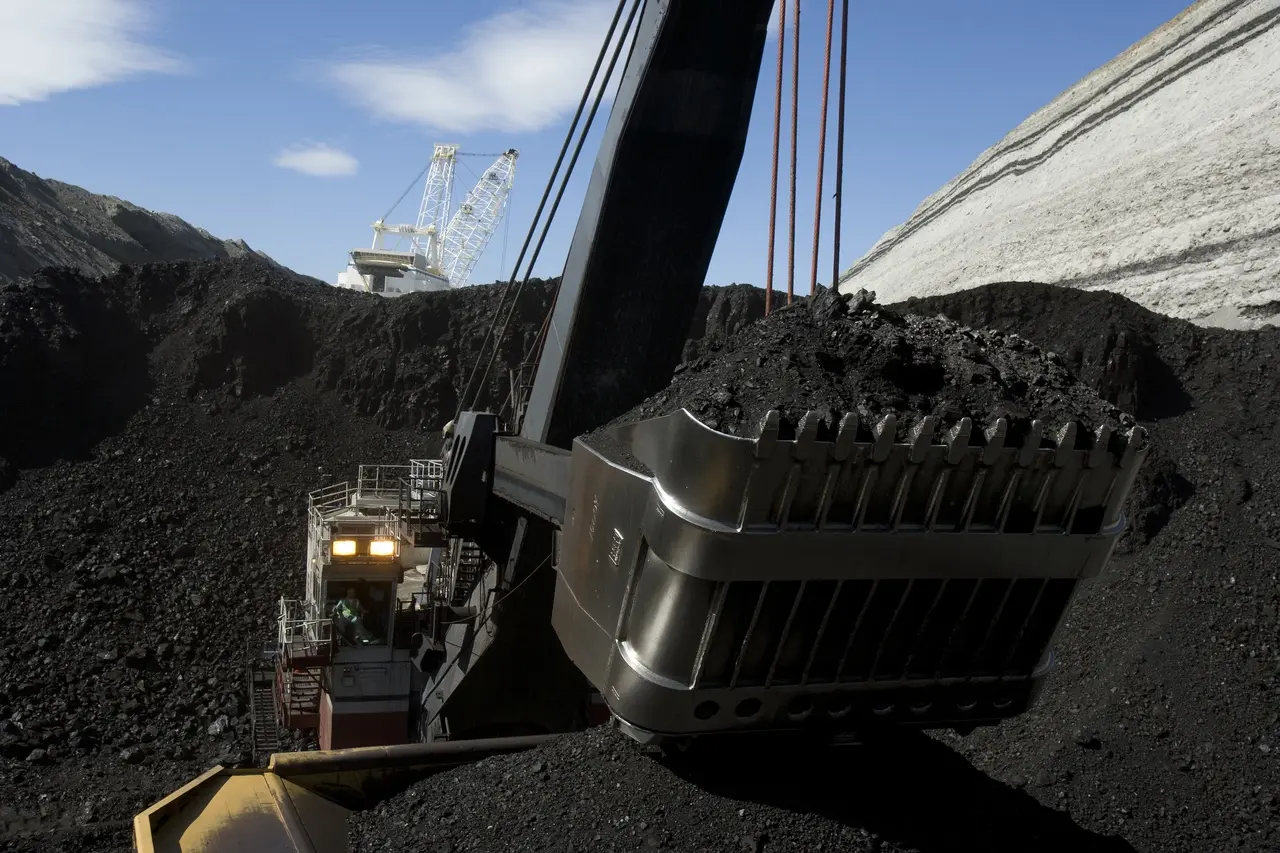
China mined 4,402 million tonnes of coal in 2024, half of the world's 8,797 million tonnes. Indonesia exported the most coal by weight, 558 million tonnes. Australia earned the most from coal exports, $56.5 billion. The IEA expects world coal demand to reach a record 8.94 billion tonnes in 2026, because disruptions to liquefied natural gas supply raised gas prices.
- Mined in 2024
- 8.8 billion t
- of coal, all types (EIA)
- Largest miner
 50%
- 4.4 billion tonnes, 2024
- Largest exporter
 36%
- of world coal exports, 558 million t, 2024
- Share of electricity
- 33%
- of the world's power came from coal in 2025 (Ember)
- Coal demand, 2026
- 8.94 billion t
- a record, IEA forecast
Which countries produce the most coal?
China produced 4,402 million tonnes of coal in 2024, 50% of the world's 8,797 million tonnes. India mined 1,013 million tonnes (11.5%) and Indonesia 836 million tonnes (9.5%). Russia, Australia and the United States each produced about 5%. India's own count passed 1 billion tonnes for the first time in the year to March 2025.
China's official output figures were flat in January to April 2026. On May 22, 2026, a gas explosion at the Liushenyu coal mine in Shanxi province killed at least 90 people. Mines across Shanxi then faced emergency safety inspections. China's output in January to September 2026 was 3.5% lower than a year earlier.
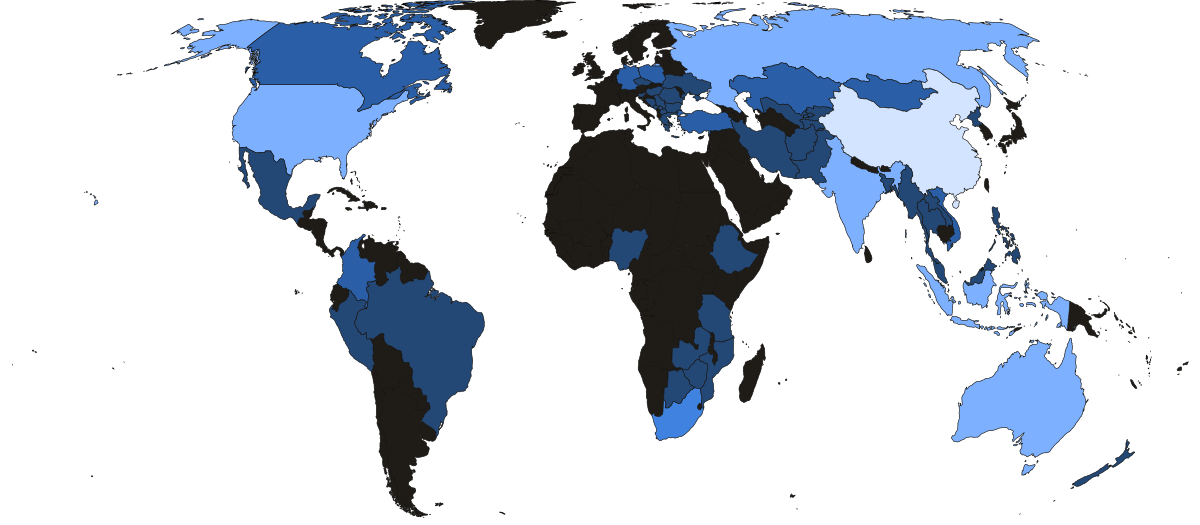
- Under 0.5%
- 0.5%–2%
- 2%–5%
- 5%–20%
- Over 20%
- No production
Who exports the most coal?
Indonesia exported 558 million tonnes of coal in 2024, 36% of the world's 1,531 million tonnes. Australia shipped 362 million tonnes (24%) and Russia 182 million tonnes (12%). About 17% of the coal mined worldwide crosses a border.
By value, Australia earned the most: $56.5 billion in 2024, compared with Indonesia's $37.8 billion. Australia's coal is higher-grade, and much of it is metallurgical coal used to make steel. Australia supplied 46% of world metallurgical coal exports in 2024, 171 million tonnes.
Who exports the most coal
Coal exports, 2024, million tonnes
- Indonesia558 Mt
 Australia362 Mt
 Russia182 Mt
 United States98 Mt
 Mongolia75 Mt
 South Africa71 Mt
 Colombia45 Mt
 Canada36 Mt
- Everyone else105 Mt
Who imports the most coal?
China imported 543 million tonnes of coal in 2024, 34% of the world's 1,595 million tonnes. India imported 233 million tonnes (15%) and Japan 171 million tonnes (11%). South Korea, Taiwan and Vietnam followed. Most of the world's coal imports go to Asia.
China's imports fell 9.6% to 490 million tonnes in 2025, the first annual drop since 2022. In January to September 2026, they were 2.2% higher than a year earlier. Iran closed the Strait of Hormuz on February 28, 2026, cutting supplies of liquefied natural gas. Coal shipments to Japan, South Korea and the EU rose 27% year on year in April 2026.
Who imports the most coal
Coal imports, 2024, million tonnes
- China543 Mt
 India233 Mt
 Japan171 Mt
 South Korea116 Mt
 Taiwan57 Mt
 Vietnam50 Mt
 Turkey41 Mt
- Everyone else385 Mt
Why are China and India still building coal plants?
China and India accounted for about 95% of coal power plant construction worldwide in 2025. Chinese developers proposed or revived 161 gigawatts of coal power projects in 2025, the most on record, and China switched on 78 gigawatts. At the end of 2025, 291 gigawatts were permitted or under construction in China, equal to 23% of its operating coal fleet. CREA and Global Energy Monitor say developers rushed to secure projects before tighter limits expected in the 2026-2030 five-year plan.
India had 23.5 gigawatts of coal power under construction in 2025 and 27.9 gigawatts of new proposals. Coal generated 74% of India's electricity in 2024.
China's new coal power in 2025
Gigawatts of coal power capacity, 2025
What happened to Russian coal after the EU ban?
The EU banned imports of Russian coal on April 8, 2022, in its fifth sanctions package. The ban took full effect on August 10, 2022. Russia supplied 56% of the EU's hard coal imports in 2020. From December 2022 to September 2026, China bought 36% of Russia's coal exports, India 20%, Turkey 14% and South Korea 12%.
Russia's coal industry made a record net loss of 408 billion rubles in 2025, and three-quarters of producers lost money. On March 24, 2026, Deputy Energy Minister Dmitry Islamov said losses could reach 576 billion rubles in 2026. The Moscow Times named sanctions, high borrowing costs and a strong ruble as causes.
Who bought Russia's coal after the EU ban
Share of Russia's coal exports, December 2022 to September 2026
- China36%
- India20%
- Turkey14%
- South Korea12%
- Vietnam4%
- Everyone else14%
History
How the need for coal made Britain seize Aden
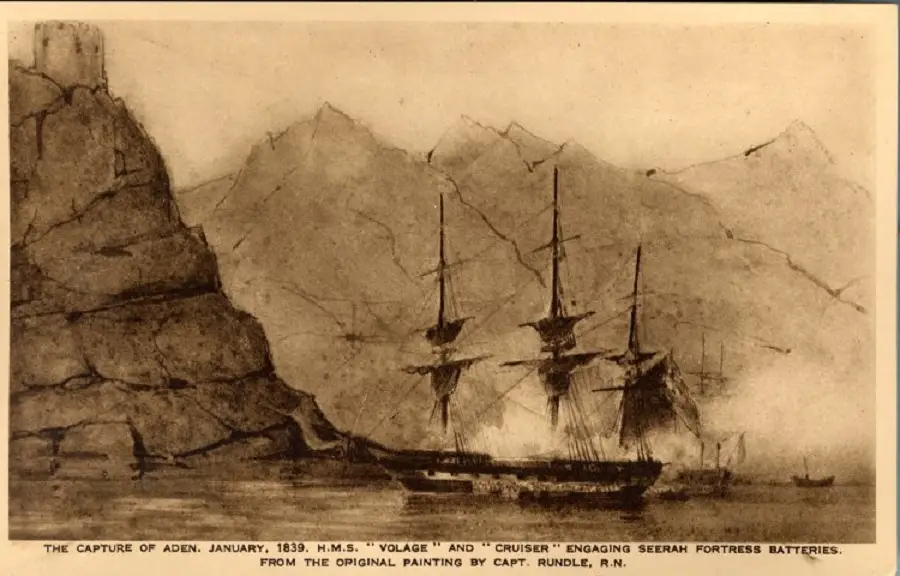
Britain seized Aden in 1839 because the East India Company's steamers between Bombay and Suez needed a coal depot on the way. Captain Stafford Bettesworth Haines of the Indian Navy first tried to buy Socotra, but its sultan refused. In January 1838 the sultan of Lahej agreed to hand over Aden. His son then tried to kidnap Haines to stop the deal. Bombay also feared that Muhammad Ali of Egypt would take Aden first.
On January 19, 1839, Haines stormed Aden with about 700 troops. Aden had about 600 inhabitants. By 1846, as a free port and coaling station, it had about 25,000. In 1854 auditors found a deficit of £28,000, roughly £4 million today. Haines was acquitted of fraud twice, but he could not repay the money. He spent six years in a debtors' prison and died in 1860 on the ship taking him home. Aden stayed British until 1967, when it became the capital of independent South Yemen.
History
Which countries mined the most coal before World War I?
In 1913 three countries mined more than four fifths of the world's coal. The United States produced 39%, Britain 22% and Germany 21%. The United States had passed Britain as the largest producer in 1899. In 1913 Britain mined 292 million tonnes, its all-time peak, with more than a million miners. China mined about 1%.
Coal fueled the industry and navies of all the great powers that fought World War I. After the war, Germany lost coalfields counted in its 1913 figure. The Treaty of Versailles gave France the Saar's coal mines for 15 years. After a plebiscite, the Allies partitioned Upper Silesia in October 1921. Poland received about a third of the territory but more than 80% of its heavy industry, including most of its coal mines. In 2024 the United Kingdom mined 107,000 tonnes, a record low. China mined half the world's coal.
Share of world coal production
19132024- United States39%5.3%
 United Kingdom22%0%
 Germany21%1%
- Russia2.4%5.4%
- India1.2%12%
- China1%50%
History
How coal and steel started the European Union
Coal and steel started the European Union because France wanted to make another war with Germany impossible. On May 9, 1950, the French foreign minister, Robert Schuman, proposed placing all French and German coal and steel production under a common authority. Pooling would make it plain that "any war between France and Germany becomes not merely unthinkable, but materially impossible." Jean Monnet drafted the plan. Monnet headed France's planning office and had left school at 16 to sell his family's cognac abroad.
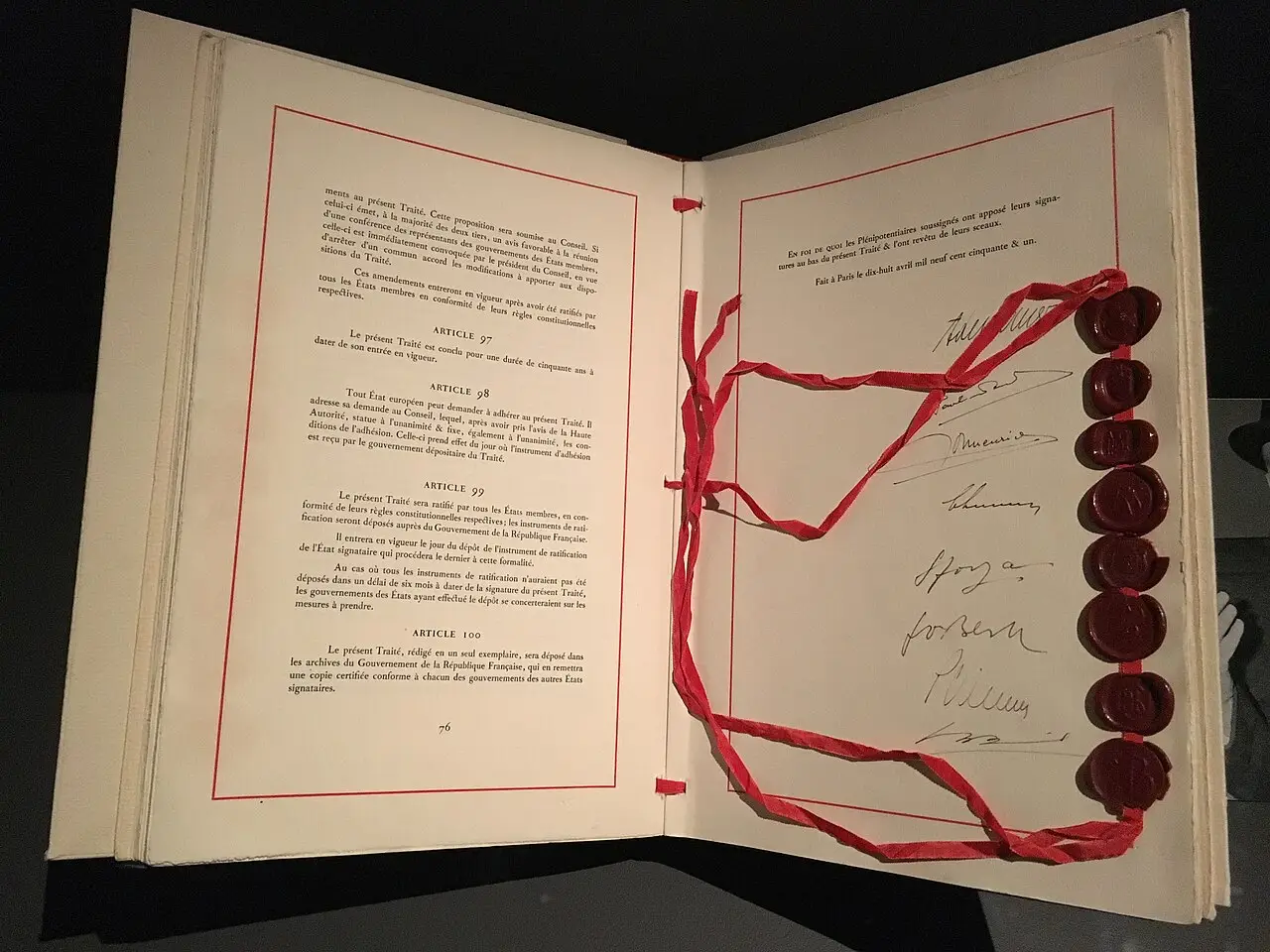
Schuman was born in Luxembourg in 1886. His father came from the part of Lorraine that Germany had annexed in 1871, so Schuman was born a German citizen. On April 18, 1951, France, West Germany, Italy, Belgium, the Netherlands and Luxembourg signed the Treaty of Paris, creating the European Coal and Steel Community. Britain declined to join. The six signed the Treaties of Rome in 1957, and those communities grew into the European Union.
Other resources
All 33 resources →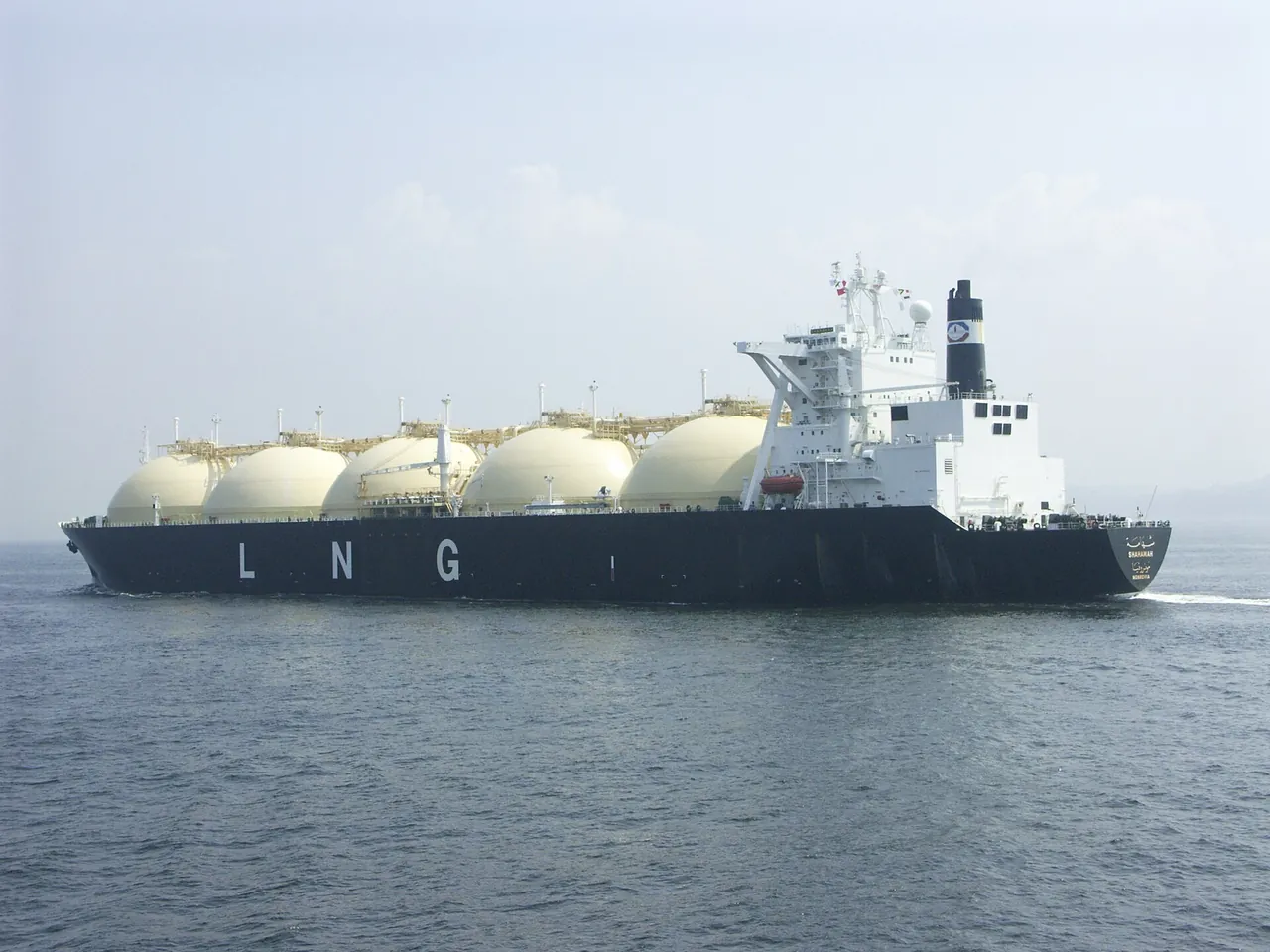 United States 25%
Energy
Natural gas
Qatar's LNG cargoes fell 96% in six months after Iran closed the Strait of Hormuz.
 United States 16.1%
Energy
Crude oil
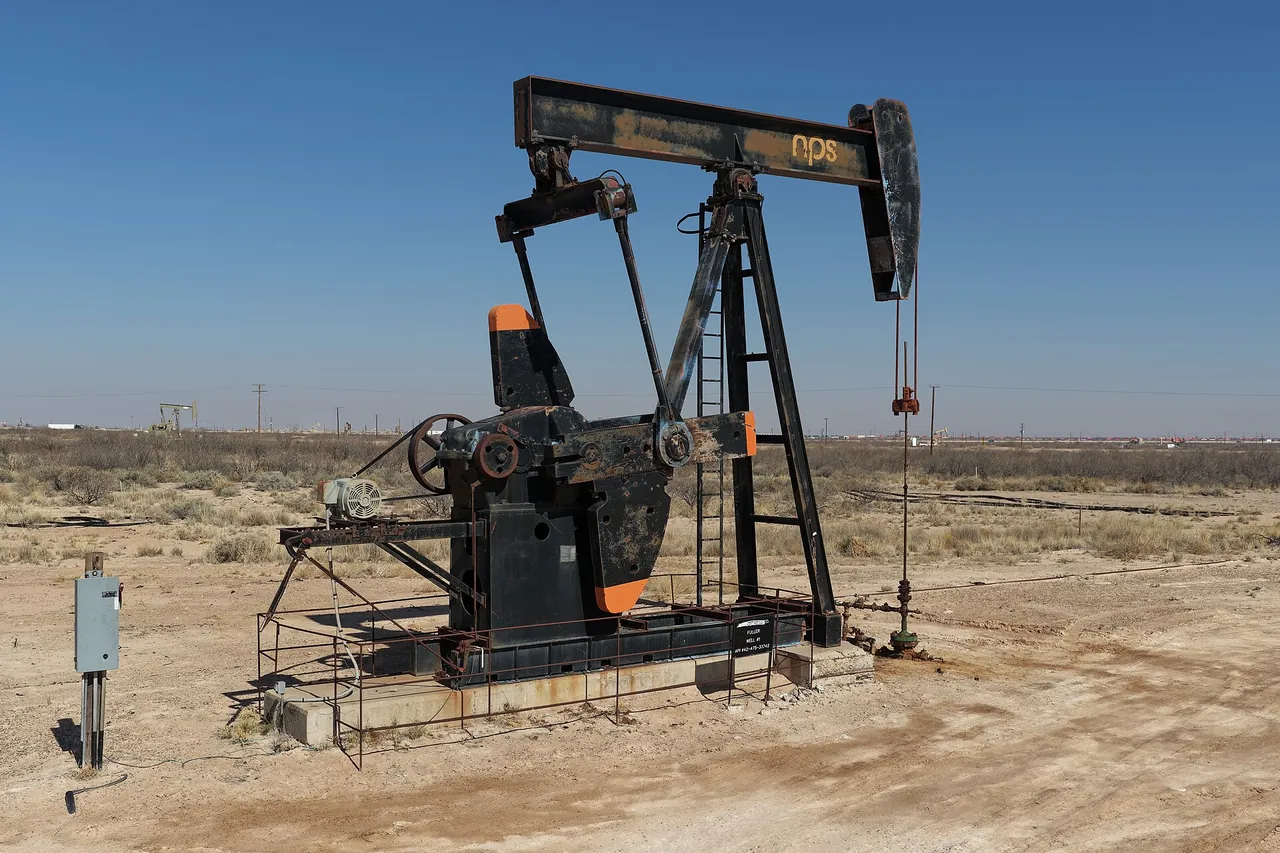
The US pumps 13.6 million barrels a day, more than any other country.
 China 52%
Industrial metal
Steel
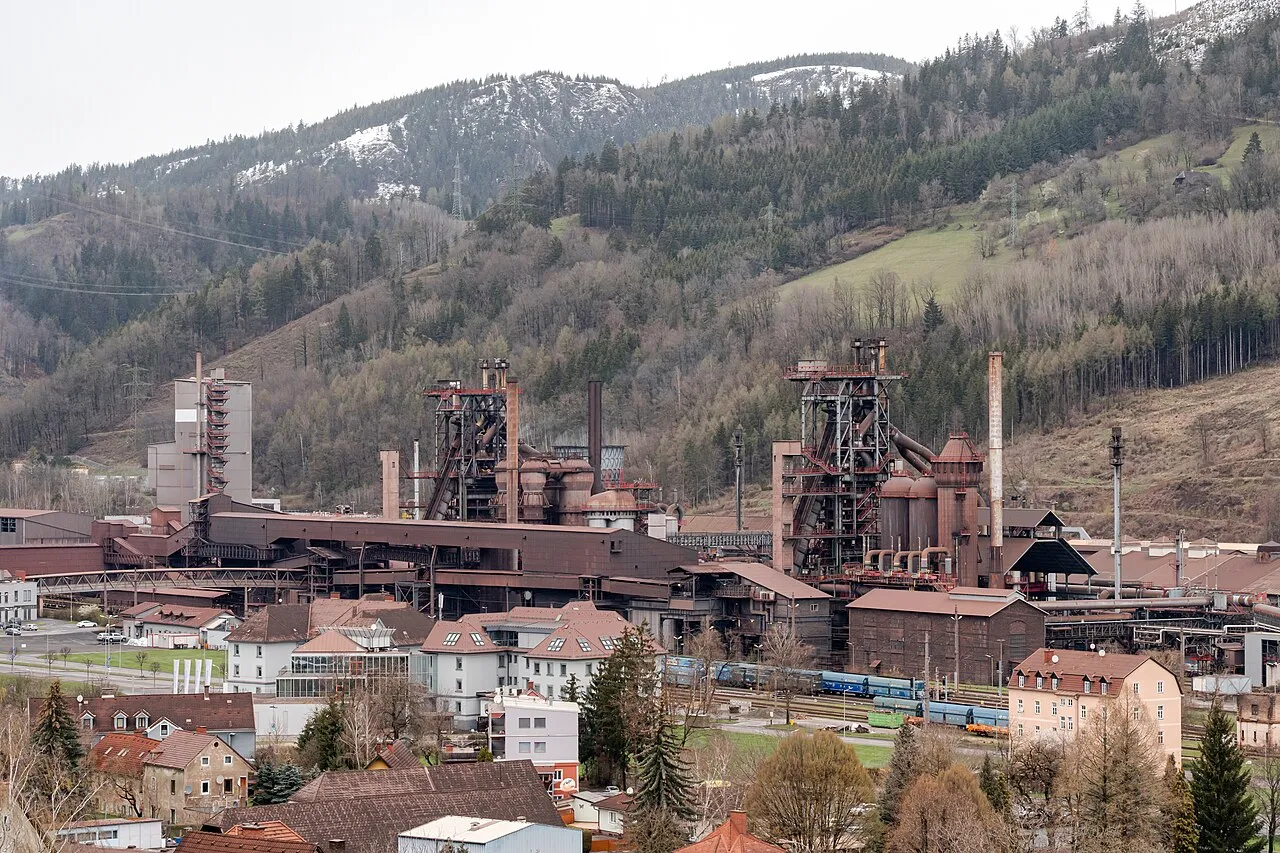
China makes more than half the world's steel and exported a record 119 million tonnes in 2025.