
Country profile · East Asia
 Mongolia
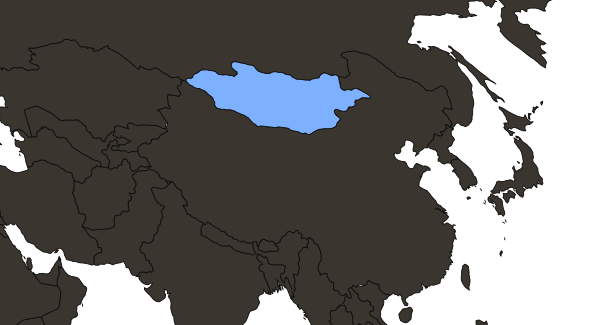
 is a landlocked democracy of about 3.5 million people between Russia and China, and the most thinly populated sovereign country in the world. It sells about nine-tenths of its exports to China and buys almost all its fuel from Russia. To balance them, it courts "third neighbors" such as Japan, South Korea and the United States.
Where Mongolia ranks
All rankings →Which alliances is Mongolia in?
All alliances →Who runs Mongolia?
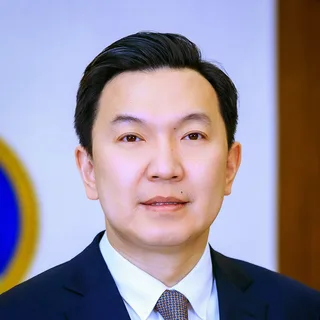
Mongolia has been a democracy since 1990, when protests and a hunger strike ended communist rule without bloodshed. Power lies mostly with the 126-seat parliament, the State Great Khural, and the prime minister it chooses. The Mongolian People's Party (MPP) won 68 seats in the June 2024 election (chart). Since then two prime ministers have fallen. Luvsannamsrain Oyun-Erdene lost a confidence vote on June 3, 2025, after youth-led protests over his son's lavish lifestyle. Gombojavyn Zandanshatar survived a dismissal vote in October 2025, which the Constitutional Court struck down, but resigned on March 27, 2026, during an opposition boycott that blocked votes in parliament. Prime Minister Nyam-Osoryn Uchral, aged 39 when nominated and MPP leader since November 2025, took office on March 30, 2026. His coalition with the HUN Party and the National Coalition holds 79 seats. President Ukhnaagiin Khürelsükh was elected in June 2021 for a single six-year term. He cannot run again, and the next presidential election is due in June 2027.
- Mongolian People's Party 68
- Democratic Party 42
- HUN Party 8
- National Coalition 4
- Civil Will-Green Party 4
Official portrait (2026): Government of Mongolia, Wikimedia Commons, CC BY 4.0 (cropped)
Who are Mongolia's allies and rivals?
Mongolia has only two neighbors, Russia and China, and it joins no military alliance. It was a Soviet satellite from 1924 until 1990, and the last Russian troops left in 1992. Russia remains a close partner. In September 2024 Mongolia hosted Vladimir Putin, becoming the first member of the International Criminal Court to receive him after the court's arrest warrant. It did not arrest him. Mongolia abstained on UN votes condemning Russia's invasion of Ukraine. To balance its giant neighbors, Mongolia courts "third neighbors", a policy written into its foreign policy concept in 2011. Japan has given the most aid and agreed in September 2026 to lend about ¥158 billion to expand Ulaanbaatar's airport. South Korea's president made a state visit in July 2026 and the two sides agreed in principle on a trade deal. The United States has been a strategic partner since 2019. Mongolia declared itself free of nuclear weapons in 1992. A Mongolian general has commanded the UN-backed force against Haiti's gangs since May 2026.
Allies and partners
 RussiaSupplies 95-97% of its fuel; hosted Putin in 2024
 ChinaBuys about 89% of its exports
 JapanLargest aid donor; airport loan agreed in 2026
 South KoreaTrade deal agreed in principle in July 2026
 United StatesStrategic partner since 2019; Khaan Quest exercise
 IndiaFunding a $1.7 billion oil refinery due in 2028
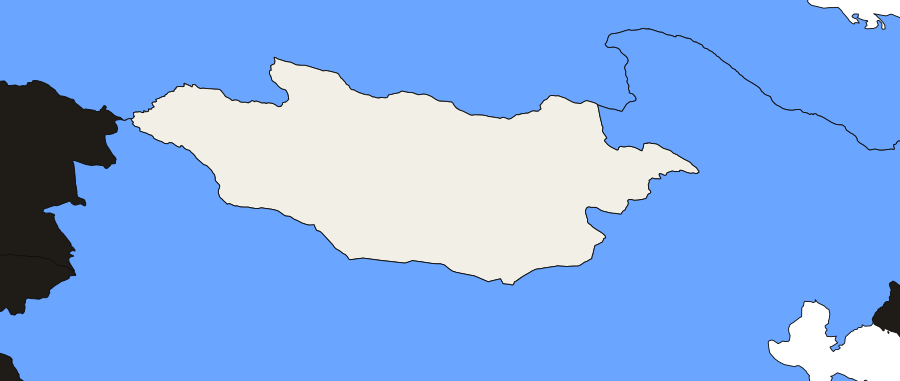
- Ulaanbaatar The capital, home to about half of all Mongolians. In winter it is among the world's most polluted cities.
- Oyu Tolgoi Copper and gold mine, 66% Rio Tinto and 34% Mongolia. It produced 114,000 tonnes of copper in July to September 2026.
- Tavan Tolgoi Huge coal deposit run by state-owned Erdenes Tavan Tolgoi. A rail bridge to China at Gashuunsukhait is due in 2027.
- Sainshand refinery Oil refinery built with $1.7 billion from India. About 60% complete in September 2026 and due in 2028.
- Mongolia
- Partner
Who does Mongolia trade with?
Mongolia exported $15.7 billion of goods in 2025 and imported $11.3 billion according to its customs data. China bought 89.4% of the exports (chart), and 93.2% in January to September 2026. Copper ore and concentrate made up 41.4% of exports and coal 40.9%, so copper overtook coal by value in 2025. Coal exports reached a record 90 million tonnes, counting lignite, but their value fell by a third because prices dropped 38%. Almost all the gold goes to Switzerland. Russia supplied 24.5% of imports, mostly fuel, and China 40.9%. A trade deal with Russia's Eurasian Economic Union took effect on July 22, 2026. The economy grew 6.8% in 2025, and the IMF expects 6.2% in 2026. Inflation was 12.9% in September 2026. The IMF says government debt, 45% of GDP in 2025, will rise to about 54% by 2028 because of new spending.

Buys from
Share of Mongolia's imports
- China40.9%
- Russia24.5%
- Japan9.6%
- South Korea4.1%
- United States3.7%
Goods, 2025, from Mongolia's customs data (Invest Mongolia).
Why does Mongolia depend so much on Russia and China?
Mongolia is landlocked, and every road and railway leads to Russia or China. In 2025, 95% of its petrol and diesel imports came from Russia. Imported power from Russia and China covers about a fifth to a quarter of its electricity. When Ukrainian drones hit Russian refineries in 2026, Mongolia ran short of fuel. Petrol prices rose from about $1 a liter in spring to $1.50 to $2 in September, and drivers protested in Ulaanbaatar on October 1. Prime Minister Nyam-Osoryn Uchral's government is buying fuel from South Korea and China and building a refinery with $1.7 billion from India, due in 2028. China buys most of its coal and copper, and on the IMF's figures China accounts for 62% of Mongolia's trade, the third-highest share in the world (chart). Russia and China plan a gas pipeline across Mongolia, Power of Siberia 2, which President Putin renamed Power of Baikal in September 2026. Gazprom and China's CNPC signed a memorandum in September 2025, but there is no price deal and no construction yet.
China's share of trade, 2025
Full ranking → North Korea est.81.7%
 Eritrea73.3%
- Mongolia62.3%
 Turkmenistan55.8%
 Kazakhstan26.2%
- Russia24.2%
IMF International Trade in Goods (by partner country)
Who profits from Mongolia's mines?
Mining earns most of Mongolia's export income. Oyu Tolgoi in the Gobi desert is one of the world's largest copper mines. Rio Tinto owns 66% and the government 34%. Mongolia's share of the building costs was paid with loans from Rio Tinto, so it expected no dividends until 2041. After a long dispute over a $2 billion rise in costs, the two sides agreed in September 2026 to cut the interest rate on that debt and start paying Mongolia dividends in 2027. The mine is expected to make about 500,000 tonnes of copper a year on average from 2028 to 2036. Coal is the other pillar. In December 2022 protesters in Ulaanbaatar demanded to know who had profited from coal allegedly stolen and sent to China. The head of the state coal company was arrested. Mongolia scored 31 of 100 in Transparency International's corruption index for 2025.