Relations · East Asia

China-Japan relations

TenseRivals with deep trade ties

China and Japan are rivals, not allies. China is Japan's largest trading partner, with $301 billion in goods traded in 2024. But the two have fought three wars since 1894, and both claim the Senkaku Islands, which China calls the Diaoyu. Since Prime Minister Sanae Takaichi said in November 2025 that a Chinese attack on Taiwan could threaten Japan's survival, China has halted Japanese seafood, warned its citizens against travel to Japan and banned dual-use exports to Japan's military users. Xi Jinping has not met Takaichi since October 2025.
Updated November 19, 2026 · Trade data from CEPII BACI, votes from the UN

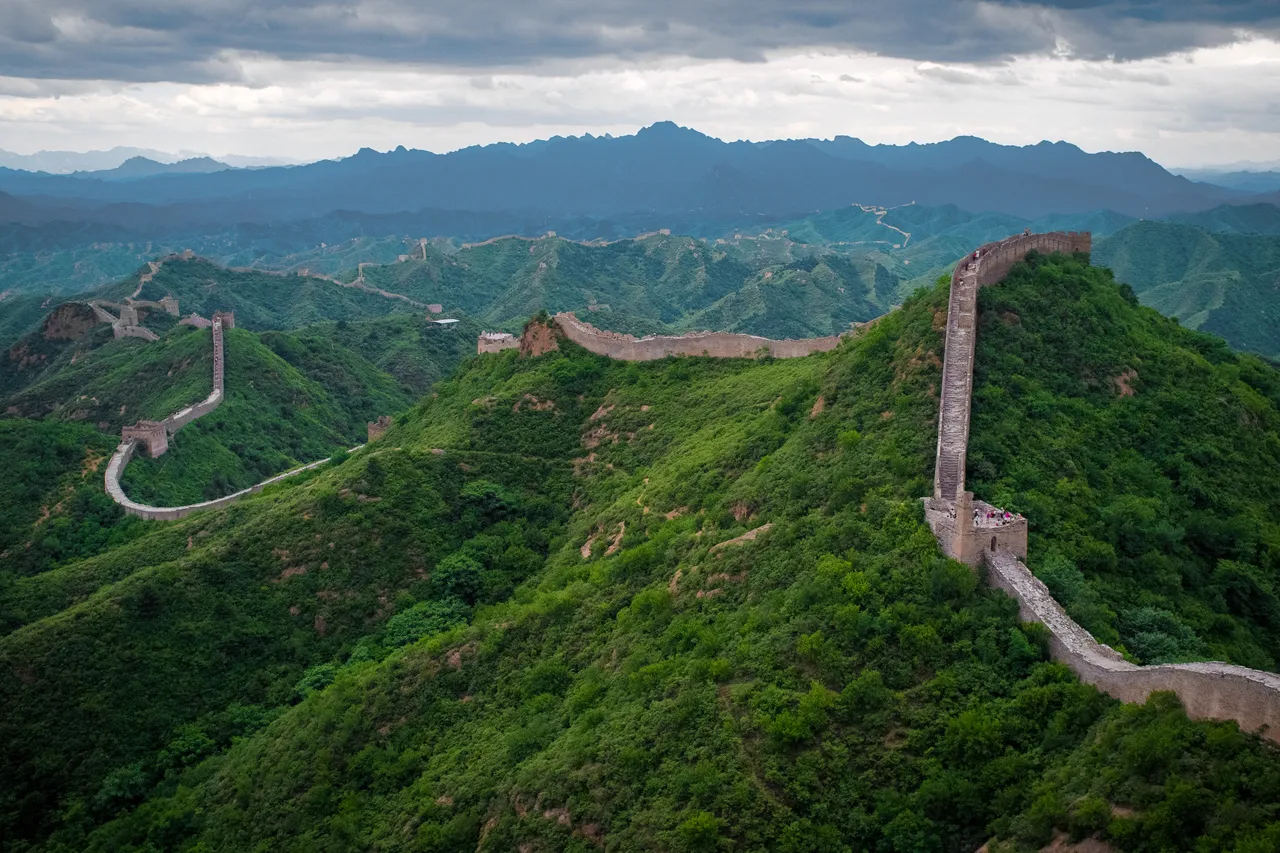
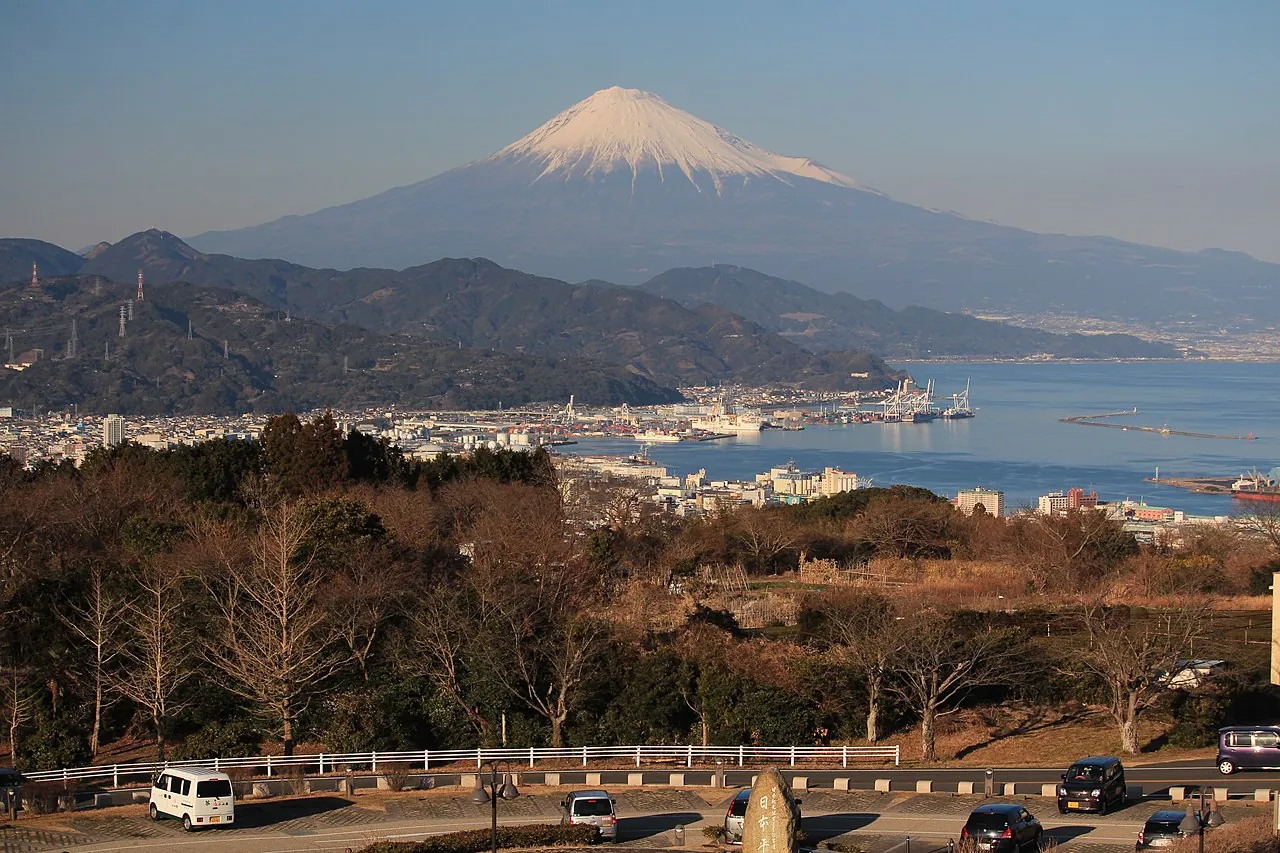
The Great Wall of China winding over green mountain ridges at Jinshanling Mount Fuji above the port of Shimizu, seen from Nihondaira
The Great Wall at Jinshanling. Photo: Severin Stalder, Wikimedia Commons, CC BY-SA 3.0 · Mount Fuji from Nihondaira. Photo: Alpsdake, Wikimedia Commons, CC BY-SA 4.0
  • 1972Diplomatic relations since
  • $301bnGoods traded in 2024
  • 3 warsSince 1894. The last ended in 1945
  • 83%Same UN votes in 2025
  • 1 disputeThe Senkaku Islands (Diaoyu to China)
  • 930,428Chinese citizens living in Japan (2025)

Where relations stand today

Checked November 19, 2026

Relations are at their lowest point in years. China has refused a leaders' meeting since Takaichi's Taiwan remarks of November 2025, and its seafood halt, travel warning and dual-use export controls remain in place.

Latest

  • Xi Jinping and Takaichi shook hands at a welcome event at the APEC summit in Shenzhen, their first contact since November 2025. No formal talks took place.
  • Chinese Premier Li Qiang flew home from Manila the day before the ASEAN Plus Three summit, and no Japan-China talks were held there. At the summit, Takaichi shook hands with China's agriculture minister, Zhang Zhu, her first public contact with a Chinese minister since the dispute began.
  • Kyodo reported that a formal Takaichi-Xi meeting at the APEC summit in Shenzhen on November 18 to 19 appeared to have fallen through. China's foreign ministry said only that China would fulfill its duties as host.
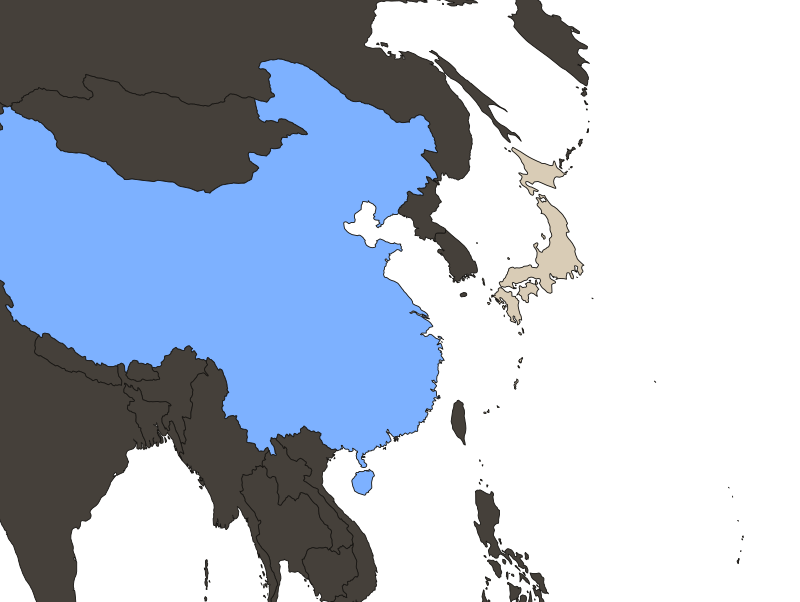
Map of East Asia showing China, Japan and the disputed Senkaku Islands between them China Japan Senkaku Islands

Why are China and Japan rivals?

What ties them

  • Trade. China is Japan's largest trading partner. They traded $301 billion in goods in 2024, and trade grew in the first half of 2026 despite the crisis.
  • Trade deals and forums. RCEP, in force since January 1, 2022, is the first free trade deal that covers both countries. Both are also members of APEC and ASEAN Plus Three.
  • People. About 930,000 Chinese citizens lived in Japan at the end of 2025. About 9.1 million Chinese tourists visited Japan in 2025, but visits fell 55.5% in January to September 2026 after China's travel warning.
  • Culture. Japan adopted Chinese characters and Chinese models of government. Lu Xun, modern China's best-known writer, studied medicine in Sendai from 1904.

What divides them

  • Taiwan. Takaichi said a Chinese attack on Taiwan could be a survival-threatening situation for Japan. China says the remark crossed a red line and interferes in its internal affairs. Japan says it matches the government's longstanding position.
  • The Senkaku Islands. Japan administers the uninhabited islands and says no territorial dispute exists. China calls them the Diaoyu and says they are its inherent territory. Chinese coast guard ships were next to them on 357 days in 2025.
  • History and memory. Historians estimate that the war of 1937 to 1945 killed 14 to 20 million Chinese. China says Japan has not fully faced that past. Japan points to its apologies and about 3.66 trillion yen in aid.
  • Military buildup. Japan's 2022 National Security Strategy calls China the greatest strategic challenge. China says Japan is remilitarizing and has banned dual-use exports to Japan's military users.

How much do China and Japan trade?

Download CSV

China sells to Japan

$163bn

  • Phones12%
  • Computers7%
  • Computer parts3%
  • Car parts2%

Japan sells to China

$138bn

  • Industrial machines12%
  • Microchips11%
  • Cars5%
  • Car parts2%
Goods traded between China and Japan, 1995 to 2024US dollars, both directions, shares of 2024 sales

China is Japan's #1 trading partner (20.3% of its goods trade). Japan is China's #3 (5.2%). Japan's Finance Ministry says its exports to China rose 14.3% and its imports from China rose 15.7% in the first half of 2026, measured in yen. Source: CEPII BACI (version 202601), goods only.

Have China and Japan fought a war?

1894-1895

First Sino-Japanese War

Sides
Qing China against Japan
Result
Japan won. China ceded Taiwan, the Pescadores and the Liaodong Peninsula (later returned) and paid 200 million taels of silver.
Fought over
Control of Korea

1931-1932

Japanese seizure of Manchuria

Sides
Japan's Kwantung Army against the Republic of China
Result
Japan created the puppet state Manchukuo. China appealed to the League of Nations. Japan left the League in 1933.
Fought over
Control of Manchuria
Encyclopedia entry →

1937-1945

Second Sino-Japanese War

Sides
Republic of China (Nationalists and Communists) against Japan, joined by the United States and Britain from 1941
Result
Japan surrendered on September 2, 1945. General Yasuji Okamura surrendered Japan's army in China at Nanjing on September 9.
Deaths
Historians estimate 14 to 20 million Chinese dead. China's government counts 35 million dead and wounded. Japan's health ministry counts about 466,000 Japanese war dead in mainland China.

A short history of China-Japan relations

WarTreaty or peaceCrisis

Early encounters · 663-1598

  1. 663Battle of BaekgangTang China and Silla defeated a Japanese fleet at the mouth of Korea's Geum River. It was the first battle between Chinese and Japanese forces on record. Japan withdrew from Korean affairs.
  2. 1274, 1281Mongol invasions of JapanKublai Khan's Yuan dynasty sent two invasion fleets to Japan. Storms wrecked both, and Japan called them kamikaze, meaning divine wind.
  3. 1592-1598Imjin WarMing China sent armies to Korea to fight Toyotomi Hideyoshi's invasion. Hideyoshi died in 1598 and Japan withdrew.

Opening and war · 1871-1945

  1. 1871First treatyQing China and Japan signed their first treaty at Tianjin. Li Hongzhang signed for the Qing and Date Munenari for Japan. A US report noted the treaty was kept profoundly secret until concluded.
  2. 1895Treaty of ShimonosekiJapan won the First Sino-Japanese War and took Taiwan, the Pescadores and 200 million taels of silver. China counts it among the worst defeats of its century of humiliation.
  3. 1915Twenty-One DemandsJapan presented the Twenty-One Demands to China's president, Yuan Shikai, seeking wider rights in Shandong and Manchuria. China accepted Japan's ultimatum on May 9 and marked that day as National Humiliation Day.
  4. 1931Mukden IncidentOfficers of Japan's Kwantung Army staged a bombing on the South Manchuria Railway and used it to conquer Manchuria. Japan created the puppet state Manchukuo with Puyi as ruler.
  5. 1937Full-scale war beginsA clash at the Marco Polo Bridge near Beijing on July 7 started the Second Sino-Japanese War. Japanese troops took Nanjing on December 13. China's government says the massacre that followed killed 300,000 people, and many historians give 100,000 to 200,000.

Normalization · 1952-1978

  1. 1952Treaty of TaipeiJapan signed a peace treaty with Chiang Kai-shek's Republic of China on Taiwan on April 28. It ended the state of war between them.
  2. 1972Joint CommuniquePrime Minister Kakuei Tanaka flew to Beijing and signed the communique with Premier Zhou Enlai on September 29. Tanaka told his daughter he would resign if the trip failed, and he feared being poisoned. Pandas Kang Kang and Lan Lan arrived at Ueno Zoo a month later.
  3. 1978Treaty of Peace and FriendshipThe two foreign ministers signed the treaty in Beijing on August 12. Deng Xiaoping visited Japan in October and rode the Shinkansen to Kyoto. He said it felt as if the train were urging China to hurry.

Rivalry · 2010-2026

  1. 2010Trawler collision at the SenkakusA Chinese trawler collided with Japanese coast guard ships near the Senkaku Islands on September 7. Japan held the captain until September 24. Traders reported that China halted rare earth exports to Japan, which China denied.
  2. 2012Island nationalizationJapan's government bought three of the Senkaku islands from their private owners on September 11 for 2.05 billion yen. Protests broke out in more than 200 Chinese cities.
  3. 2023Seafood banChina banned all Japanese seafood on August 24, the day Japan began releasing treated water from the Fukushima nuclear plant. China partly reopened imports in June 2025.
  4. 2025Takaichi's Taiwan remarksOn November 7, Takaichi told parliament a Chinese attack on Taiwan could be a survival-threatening situation for Japan. China demanded a retraction, warned its citizens against travel to Japan and halted Japanese seafood again. Takaichi did not retract the remark.
  5. 2026Export bans and no pandasChina banned dual-use exports to Japan's military users in January and had put 40 Japanese entities on its export control list by June. The last pandas in Japan, Xiao Xiao and Lei Lei, left for China in January, leaving Japan without pandas for the first time since 1972.

Treaties between China and Japan

  • 1871Sino-Japanese Friendship and Trade TreatyThe first treaty between the two states. Signed at Tianjin by Li Hongzhang and Date Munenari, it set tariffs and gave consuls judicial rights.Ended by the 1894-95 war
  • 1895Treaty of ShimonosekiIt ended the First Sino-Japanese War. China ceded Taiwan, the Pescadores and the Liaodong Peninsula and paid 200 million taels. Russia, France and Germany forced Japan to return Liaodong for 30 million more.Void after World War II
  • 1952Treaty of TaipeiJapan signed it with the Republic of China on Taiwan on April 28, 1952. It ended the state of war and declared all treaties made before December 9, 1941 void. Japan said it had lost its meaning when Japan recognized the People's Republic in 1972. China calls it illegal and void.Ended 1972
  • 1972Japan-China Joint CommuniquePrime Minister Tanaka and Premier Zhou Enlai signed it in Beijing. Japan recognized the PRC as the sole legal government of China. Japan said it "fully understands and respects" China's stand that Taiwan is an inalienable part of the PRC. China renounced its demand for war reparations.In force
  • 1978Treaty of Peace and FriendshipForeign Ministers Sunao Sonoda and Huang Hua signed it in Beijing on August 12. It renounces force and includes an anti-hegemony clause. It took effect on October 23, 1978, when the two sides exchanged ratifications in Tokyo during Deng Xiaoping's visit.In force
  • 2008East China Sea joint development agreementChina and Japan agreed in June 2008 to develop gas fields together in the East China Sea. Talks stalled and the agreement has never been carried out. Japan still asks China to resume talks under it.Not implemented

Both are in

G20RCEP

Only China

BRICSSCO

Only Japan

G7QuadOECD

How often do China and Japan vote the same way at the UN?

In 2025, China and Japan voted the same way on 83% of the recorded votes in the UN General Assembly. Their UN voting alignment rose to 83% in 2025 after falling to 58% in 2022, the year Russia invaded Ukraine. Compare their votes →

Abstaining while the other votes yes or no counts as half agreement. Data: UN Digital Library voting data, 1991 to 2025.

How well do you know China and Japan?

10 questions on their wars, treaties, trade and size. About three minutes, no signup.

China vs Japan: how they compare

All rankings →

Questions about China and Japan

Are China and Japan enemies?

China and Japan are rivals, not enemies at war. They have full diplomatic relations, and China is Japan's largest trading partner, with $301 billion in goods traded in 2024. But they have fought three wars since 1894, the last ending in 1945, and both claim the Senkaku Islands. Since November 2025, relations have been at their worst in years over Prime Minister Sanae Takaichi's remarks on Taiwan.

What did Takaichi say about Taiwan that angered China?

On November 7, 2025, Takaichi told parliament that a Chinese attack on Taiwan using warships could be a survival-threatening situation for Japan. Under Japan's 2015 security laws, that designation allows Japan's forces to fight alongside an ally. Takaichi said they matched the government's longstanding position and did not retract them. China called the remarks egregious and says they crossed a red line. In September 2026, China's foreign minister said Japan must correct them.

Is China's seafood ban on Japan still in place?

Yes. China halted Japanese seafood imports again on November 19, 2025, five months after a partial reopening. The ban was still in force as of November 2026. China first banned Japanese seafood on August 24, 2023, when Japan began releasing treated water from the Fukushima nuclear plant.

How many wars have China and Japan fought?

China and Japan have fought three wars. The First Sino-Japanese War of 1894 to 1895 ended with Japan taking Taiwan. Japan seized Manchuria in 1931. The Second Sino-Japanese War of 1937 to 1945 killed 14 to 20 million Chinese, by historians' estimates, and ended with Japan's surrender. Earlier, their predecessor states clashed at Baekgang in 663 and during the Mongol invasions of 1274 and 1281.

When did China and Japan establish diplomatic relations?

On September 29, 1972, when Prime Minister Kakuei Tanaka and Premier Zhou Enlai signed a joint communique in Beijing. Japan recognized the People's Republic as the sole legal government of China, and China renounced its demand for war reparations. They signed a Treaty of Peace and Friendship on August 12, 1978.

Who owns the Senkaku Islands?

Japan administers the uninhabited islands. It says they are Japanese under international law, incorporated in 1895 after surveys found them empty, and that no dispute exists. China calls them the Diaoyu Islands and says they are its inherent territory, taken by Japan in the 1894 to 1895 war and due to be returned in 1945. Taiwan also claims them. The United States takes no position on sovereignty but says its defense treaty with Japan covers the islands.

More relations

All relations →
7 days free cancel anytime
Get the app