Relations · Pacific

Japan-United States relations

AlliesTreaty allies since 1952, with 54,000 US troops in Japan

Japan and the United States are treaty allies. Their 1960 Treaty of Mutual Cooperation and Security commits the United States to act if territory that Japan administers is attacked, and about 54,000 US troops are stationed in Japan. The two traded $225 billion in goods in 2024. Japan is the largest foreign holder of US government debt, with $1.06 trillion. They fought one war, the Pacific War of 1941 to 1945, which began with Japan's attack on Pearl Harbor and ended with Japan's surrender after the atomic bombings.

Updated November 19, 2026 · Trade data from CEPII BACI, votes from the UN

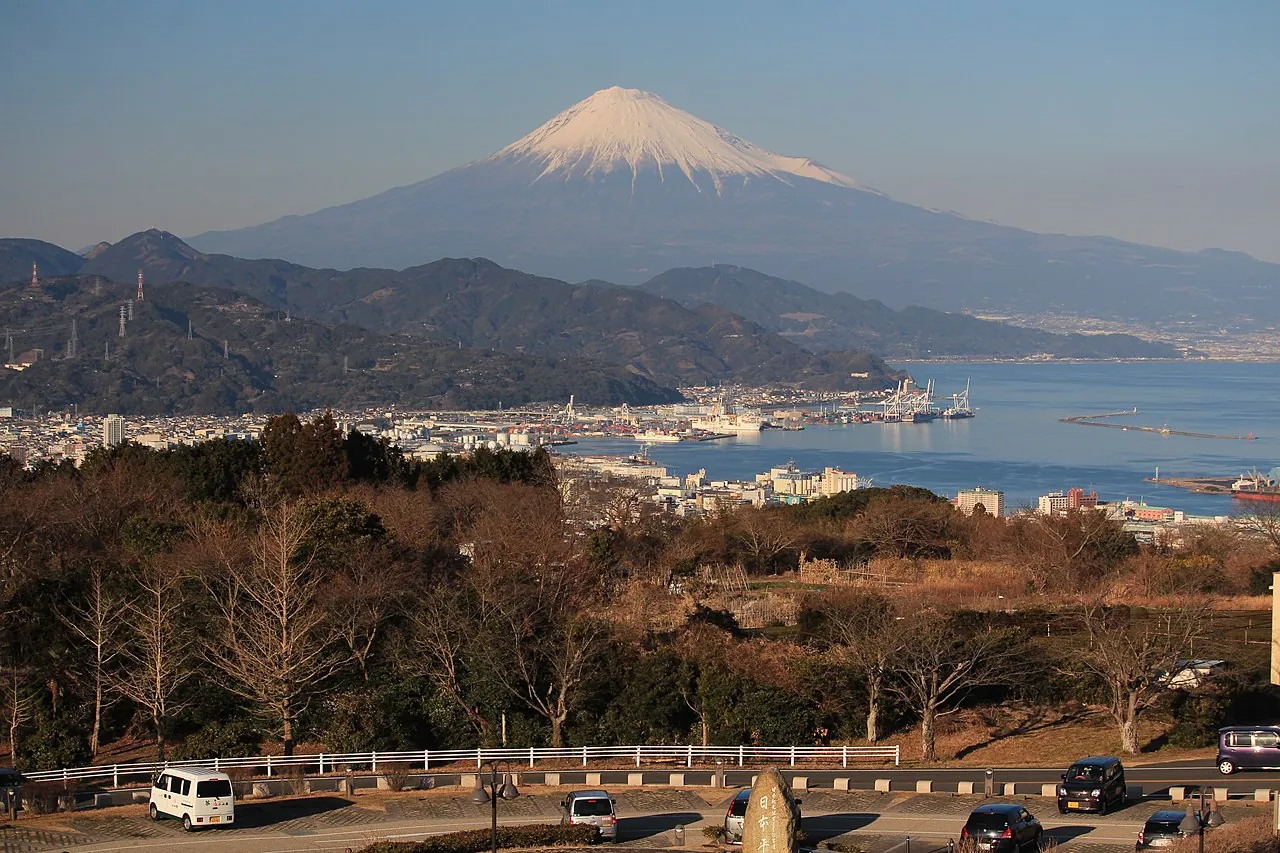
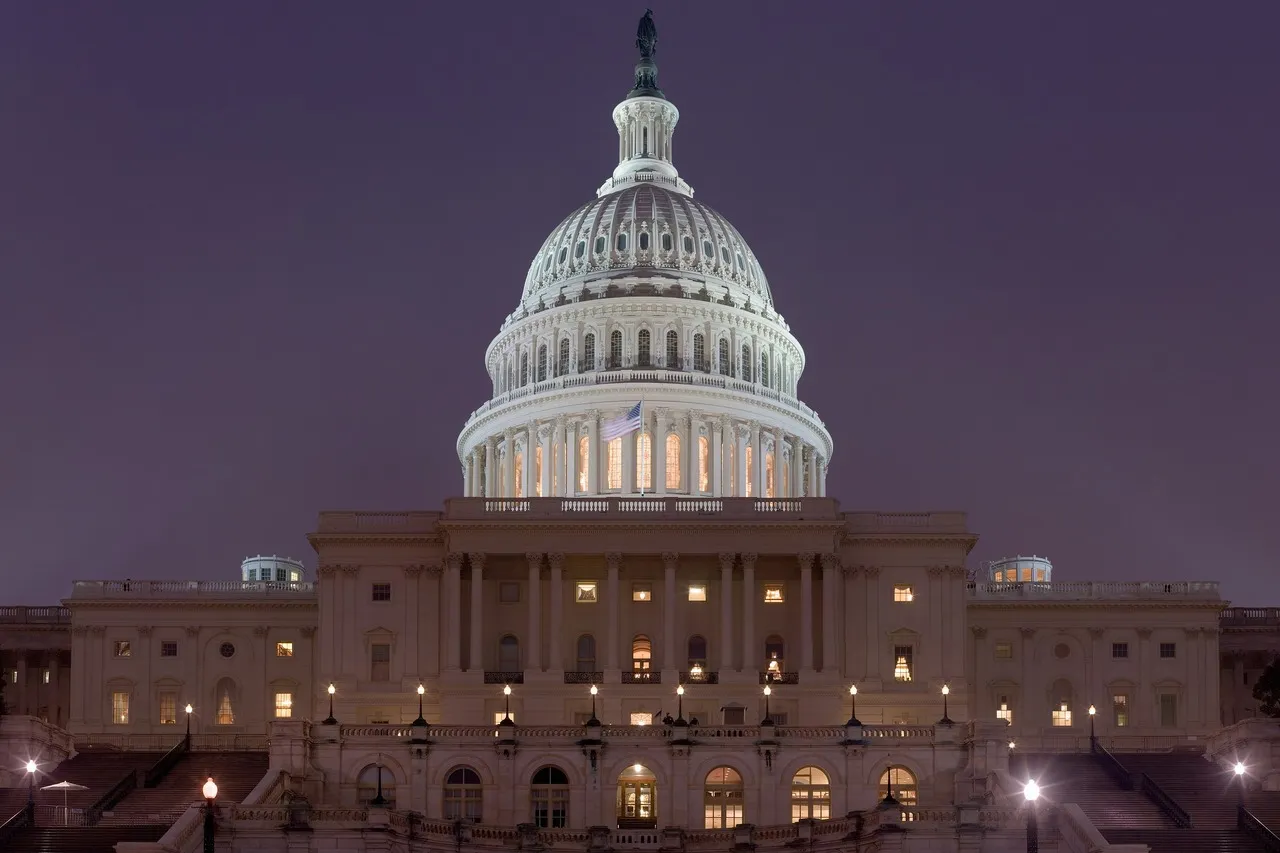
Mount Fuji above the port of Shimizu, seen from Nihondaira The US Capitol in Washington, lit up at night
Mount Fuji from Nihondaira. Photo: Alpsdake, Wikimedia Commons, CC BY-SA 4.0 · The US Capitol, Washington. Photo: Diliff, Wikimedia Commons, public domain
  • 1854Relations since; broken off 1941-1952
  • $225bnGoods traded in 2024
  • 1 warThe Pacific War, 1941-1945
  • 20%Same UN votes in 2025
  • $1.06tnUS Treasuries held by Japan (Sep 2026)
  • 54,000US troops in Japan, most of any host country

Where relations stand today

Checked November 18, 2026

The alliance is close, and Prime Minister Sanae Takaichi met President Donald Trump again in Manila on November 17, 2026. The open issues are how much Japan pays for US bases from 2027 and US tariffs, which both governments say stay at or below the 15% agreed in 2025.

Recent milestones

  • Takaichi and Trump spoke briefly at a dinner in Manila hosted by Philippine President Ferdinand Marcos and agreed to keep working closely on the Indo-Pacific. The same day they met India's Narendra Modi and Australia's Anthony Albanese at the Quad's first in-person summit in two years.
  • The two governments issued a joint statement on developing seabed minerals at talks in Toyama, Japan. The talks covered Japan's rare-earth mud project near Minamitorishima Island, inside Japan's exclusive economic zone.
  • Takaichi and Trump met at the UN General Assembly in New York, two days before Chinese President Xi Jinping's visit to Washington, and agreed to coordinate closely on China. Takaichi had moved her UN speech forward to meet Trump before the Xi summit.
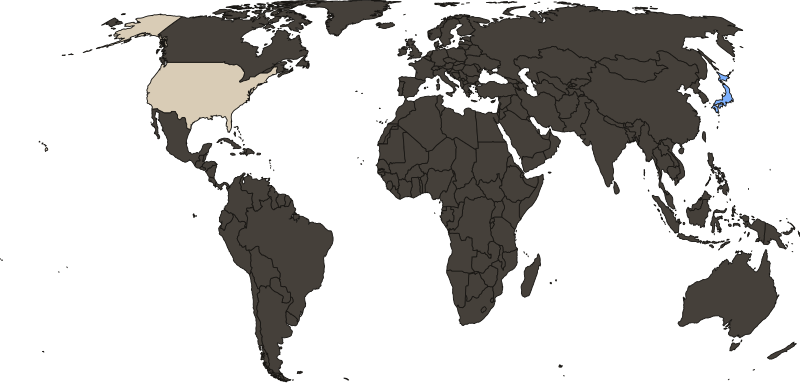
Map of the Northern Hemisphere showing Japan, the United States, Pearl Harbor in Hawaii and Okinawa Japan United States Pearl Harbor Okinawa

Why are Japan and the United States allies?

What ties them

  • Security treaty. The 1960 treaty commits the United States to act if territory Japan administers is attacked. About 54,000 US troops are based in Japan, including the US Seventh Fleet at Yokosuka.
  • Trade and investment. Japan and the United States traded $225 billion in goods in 2024. Japan is the largest foreign direct investor in the United States, with $776.3 billion at the end of 2025.
  • US debt. Japan holds $1.06 trillion of US Treasury securities, more than any other country. It passed China as the largest holder in June 2019.
  • China and the Quad. Takaichi and Trump met in September 2026 to coordinate on China before Trump's summit with Xi Jinping. Japan and the United States work with India and Australia in the Quad and signed deals on rare earths in 2025 and seabed minerals in 2026.

What divides them

  • Tariffs. The Trump administration says tariffs and Japan's $550 billion investment pledge correct a trade imbalance. Japan's trade minister, Ryosei Akazawa, called a new 12.5% US tariff rate in July 2026 "regrettable" but said the 15% cap agreed in 2025 still holds.
  • Paying for US bases. The United States reportedly wants Japan to pay about 3 trillion yen over five years from 2027 for hosting US troops, about triple the current total. Japan is reported to be considering about 1.5 trillion yen.
  • Okinawa bases. Okinawa holds about 70% of the land used only by US forces in Japan, and many residents oppose a new Marine base at Henoko because of damage to Oura Bay. Both governments call Henoko the only workable plan, and Genta Koja, elected Okinawa's governor in September 2026, accepts it.
  • The atomic bombings. Supporters in the United States say the bombings of Hiroshima and Nagasaki ended the war without a costly invasion, and 35% of Americans called them justified in a 2025 Pew poll. Each August the mayors of Hiroshima and Nagasaki call for the abolition of nuclear weapons.

How much do Japan and the United States trade?

Download CSV

Japan sells to United States

$144bn

  • Cars28%
  • Car parts5%
  • Excavators4%
  • Industrial machines4%

United States sells to Japan

$80.6bn

  • LNG and LPG9%
  • Jet engines and parts7%
  • Vaccines and biologics5%
  • Medicines4%
Goods traded between Japan and the United States, 1995 to 2024US dollars, both directions, shares of 2024 sales

Japan is the United States's #5 trading partner (4.5% of its goods trade). United States is Japan's #2 (15.2%). Source: CEPII BACI (version 202601), goods only.

Have Japan and the United States fought a war?

1941-1945

The Pacific War (World War II)

Sides
Japan, with Germany and Italy, against the United States and the Allies
Result
Japan's unconditional surrender and a US-led occupation until 1952
Deaths
About 106,000 Americans, by American Heritage's count. Japan's government counts 3.1 million Japanese dead on all fronts, 1937-1945.
Fought over
After the US cut off its oil in 1941, Japan struck Pearl Harbor to clear the way to the oil of the Dutch East Indies
Encyclopedia entry →

A short history of Japan-US relations

WarTreaty or peaceCrisis

Opening Japan · 1853-1860

  1. 1853Perry's Black Ships reach Edo BayOn July 8, 1853, Commodore Matthew Perry sailed four warships into Edo Bay and delivered a letter from President Millard Fillmore. He returned in 1854 and signed the Convention of Kanagawa, which opened two ports to US ships.
  2. 1858Harris Treaty opens tradeConsul General Townsend Harris signed a treaty at Edo on July 29, 1858, that opened full diplomatic relations and five ports. It set low fixed tariffs and gave Americans extraterritorial rights.
  3. 1860Japan's first embassy to the WestJapan sent its first diplomatic mission to the United States to exchange the ratified Harris Treaty. President James Buchanan received the envoys at the White House on May 17, 1860.

Rising power to Pearl Harbor · 1905-1941

  1. 1905Treaty of PortsmouthPresident Theodore Roosevelt mediated the treaty that ended the Russo-Japanese War and won the 1906 Nobel Peace Prize for it. Many Japanese were angry that Russia paid no indemnity, and riots broke out in Tokyo.
  2. 1924Immigration Act bars JapaneseThe 1924 act barred almost all Japanese immigration, and Japan's government protested. Ambassador Masanao Hanihara had warned of "grave consequences," words that senators read as a threat.
  3. 1941Oil embargoOn July 26, 1941, President Roosevelt froze Japanese assets in the United States after Japan moved into southern French Indochina. The freeze cut off oil exports to Japan.
  4. 1941Attack on Pearl HarborOn December 7, 1941, Japan attacked the US Pacific Fleet at Pearl Harbor, killing 2,403 Americans and destroying or damaging 20 ships. Admiral Isoroku Yamamoto, who planned the attack, had studied at Harvard and believed Japan could not win a long war.

War, occupation and alliance · 1945-1972

  1. 1945Hiroshima and NagasakiThe United States dropped atomic bombs on Hiroshima on August 6 and on Nagasaki on August 9, 1945. Commonly cited estimates put deaths by the end of 1945 at about 140,000 in Hiroshima and 74,000 in Nagasaki.
  2. 1945Surrender aboard USS MissouriJapan signed the instrument of surrender on September 2, 1945, in Tokyo Bay, with General Douglas MacArthur presiding. The 31-star flag from Perry's 1853 squadron was displayed at the ceremony.
  3. 1947New constitution takes effectJapan's new constitution took effect on May 3, 1947, after a team of 24 Americans on MacArthur's staff drafted it in one week in February 1946. Article 9 renounces war, and Beate Sirota Gordon, 22, wrote its clause on equal rights for women.
  4. 1951San Francisco Peace TreatyOn September 8, 1951, Japan signed the peace treaty with 48 Allied nations at the San Francisco Opera House. The same day, Prime Minister Shigeru Yoshida signed the first security treaty at the Presidio, letting US forces stay.
  5. 1960New security treaty and Anpo protestsThe Treaty of Mutual Cooperation and Security replaced the 1951 treaty, and large protests known as Anpo led Japan's government to call off President Eisenhower's visit. The treaty took effect on June 23, and Prime Minister Nobusuke Kishi announced his resignation the same day.
  6. 1972Okinawa returns to JapanThe United States returned Okinawa to Japanese rule on May 15, 1972, 27 years after the battle there killed roughly 12,000 Americans, 110,000 Japanese soldiers and perhaps 100,000 Okinawan civilians. US bases stayed.

Trade wars to today · 1985-2026

  1. 1985Plaza AccordOn September 22, 1985, the United States, Japan and three other economies agreed to push down the dollar. The yen roughly doubled against the dollar within two years, which contributed to Japan's asset bubble.
  2. 2025Trade deal and $550 billion pledgeThe July 2025 trade deal set a 15% US tariff on most Japanese goods, and Japan pledged $550 billion of investment in the United States. Nippon Steel completed its $14.1 billion purchase of U.S. Steel on June 18, 2025, and the US government holds a golden share.
  3. 2026Takaichi in WashingtonPrime Minister Takaichi visited Washington on March 19, 2026, and Japan signed about $73 billion of US investment projects. Asked why allies were not warned before the US-Israeli strikes on Iran, Trump replied, "Why didn't you tell me about Pearl Harbor?"

Treaties between Japan and the United States

  • 1854Convention of KanagawaSigned March 31, 1854, after Commodore Perry's return. It opened Shimoda and Hakodate to US ships and allowed US consuls, but it did not permit trade.Superseded
  • 1858Harris Treaty (Treaty of Amity and Commerce)Signed July 29, 1858, by Consul Townsend Harris. It opened five ports, set fixed low tariffs and gave Americans extraterritorial rights in Japan.Superseded
  • 1951San Francisco Peace TreatySigned September 8, 1951, by Japan and 48 Allied nations. It formally ended the war and, when it took effect on April 28, 1952, the occupation.In force
  • 1960Treaty of Mutual Cooperation and SecuritySigned January 19, 1960. The United States pledges to act if territory Japan administers is attacked. Japan grants the United States use of bases. After 10 years either side may end it with one year's notice. Neither has.In force
  • 2025US-Japan framework trade agreementAnnounced July 22, 2025, and implemented September 4, 2025. It set a 15% US tariff on most Japanese goods, and Japan pledged $550 billion in US investment. The Supreme Court voided that rate in February 2026, but both sides reaffirmed on September 4, 2026, that tariffs would stay at or below 15%.In force
  • 2025Critical minerals and rare earths frameworkSigned October 28, 2025, in Tokyo during President Trump's state visit. It covers joint projects and stockpiling for rare earths, magnets and batteries.In force

Both are in

G7G20QuadOECD

Only Japan

RCEP

Only United States

NATOAUKUSFive Eyes

How often do Japan and the United States vote the same way at the UN?

In 2025, Japan and the United States voted the same way on 20% of the recorded votes in the UN General Assembly. Agreement fell to 20% in 2025 because the United States voted no on 174 of 192 recorded votes, against most other members. Compare their votes →

Abstaining while the other votes yes or no counts as half agreement. Data: UN Digital Library voting data, 1991 to 2025.

How well do you know Japan and the United States?

10 questions on their wars, treaties, trade and size. About three minutes, no signup.

Japan vs United States: how they compare

All rankings →

Questions about Japan and the United States

Are Japan and the United States allies?

Yes. The 1960 Treaty of Mutual Cooperation and Security commits the United States to act if territory that Japan administers is attacked. About 54,000 US troops are stationed in Japan, more than in any other foreign country. The two leaders reaffirmed in February 2025 that the treaty covers the Senkaku Islands.

How much US debt does Japan own?

Japan held $1.06 trillion of US Treasury securities at the end of September 2026, more than any other country. The United Kingdom was second with $985.8 billion, and mainland China third with $563.9 billion. Japan's holdings fell from $1.24 trillion in February 2026 as Japan spent reserves supporting the yen. Japan does not owe the US government money. The debt runs the other way.

What were Perry's black ships?

They were four US Navy warships, two of them coal-burning steamers, that Commodore Matthew Perry sailed into Edo Bay on July 8, 1853. Japanese called them kurofune, meaning black ships, for their dark hulls and smoke. Perry returned the next year with a larger squadron and signed the Convention of Kanagawa on March 31, 1854, Japan's first treaty with the United States.

How many people died in the atomic bombings of Hiroshima and Nagasaki?

Commonly cited estimates are about 140,000 deaths in Hiroshima and about 74,000 in Nagasaki by the end of 1945. Hiroshima's own name-by-name count of confirmed deaths through December 31, 1945, stands at 88,978. Estimates for Nagasaki range from 39,000 to 80,000.

Has the United States apologized for Hiroshima?

No US president has apologized for the atomic bombings. Barack Obama became the first sitting US president to visit Hiroshima on May 27, 2016, and did not apologize. Shinzo Abe visited Pearl Harbor with Obama on December 27, 2016, and did not apologize either. In 2025, 35% of Americans told Pew the bombings were justified and 31% said they were not.

What is the US tariff on Japanese goods?

Since July 24, 2026, most Japanese goods have faced a combined US tariff of 12.5% under Section 301. Cars and car parts face 15% under Section 232, a separate law that the Supreme Court's February 2026 ruling did not affect. On September 4, 2026, the two governments reaffirmed that tariffs on Japanese goods would stay at or below the 15% agreed in 2025.

More relations

All relations →
7 days free cancel anytime
Get the app