1492-1537
Muscovite-Lithuanian Wars
- Sides
- Grand Duchy of Lithuania against Muscovy
- Result
- Muscovy took about a third of Lithuania's eastern lands by 1503 and Smolensk in 1514
- Fought over
- Control of Ruthenian lands between the two states
Relations · Baltic states
TenseNATO frontline state; ties cut to chargé level in 2022
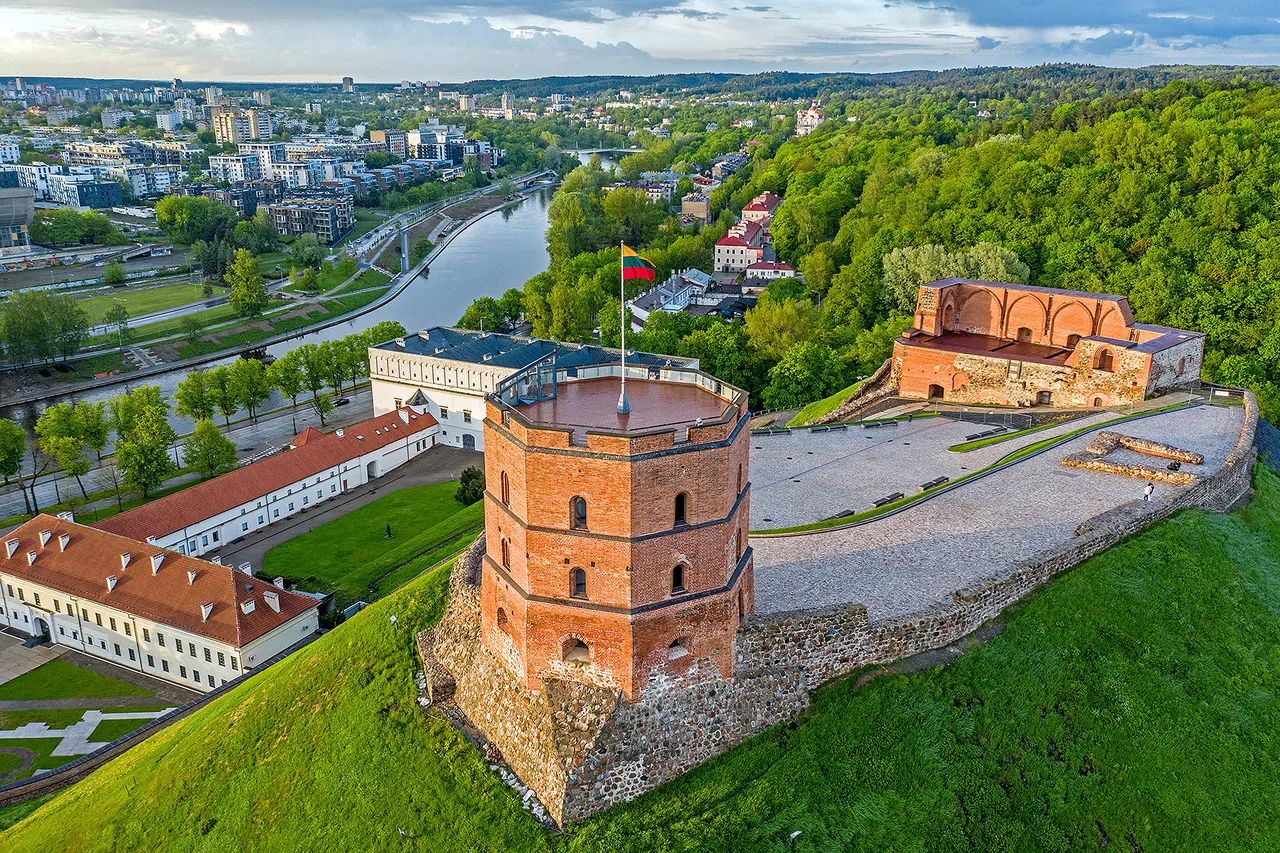
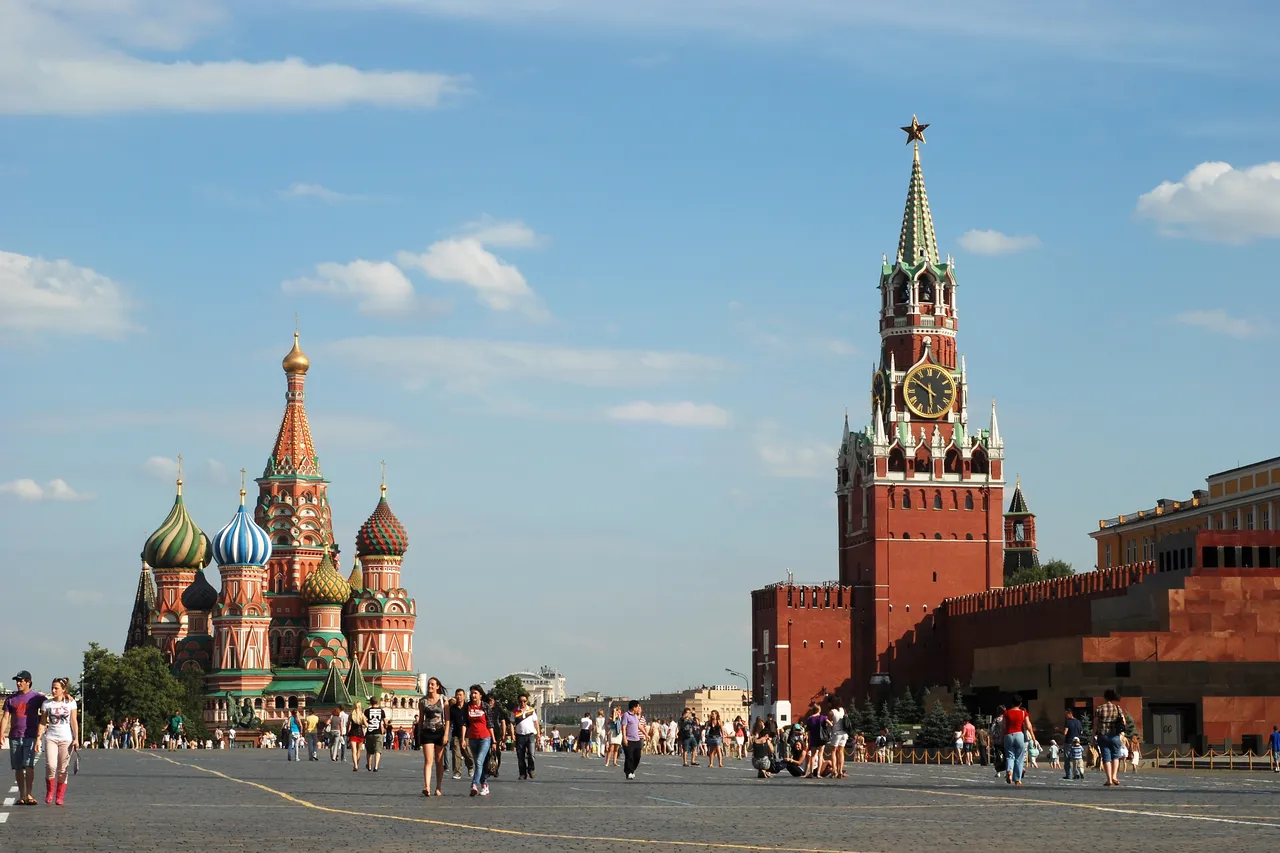
Lithuania and Russia are not allies. Lithuania has been a NATO member since March 29, 2004, and treats Russia as its main military threat. It expelled Russia's ambassador in April 2022 after the killings in Bucha, Ukraine, and cut diplomatic relations to the level of chargé d'affaires. Lithuania spends about 5.3% of its GDP on defense, hosts a German brigade and has given Ukraine more than $1 billion in military aid. Russia ruled most of Lithuania from 1795 to 1918, and the Soviet Union ruled it from 1940 to 1990.
Lithuania has posted soldiers on its border with Russia's Kaliningrad region and is moving to lift its constitutional ban on foreign bases and nuclear weapons. The Kremlin says Russia will respond to any nuclear deployment in Lithuania.
Latest
Following the news? Russia-NATO in Conflicts →
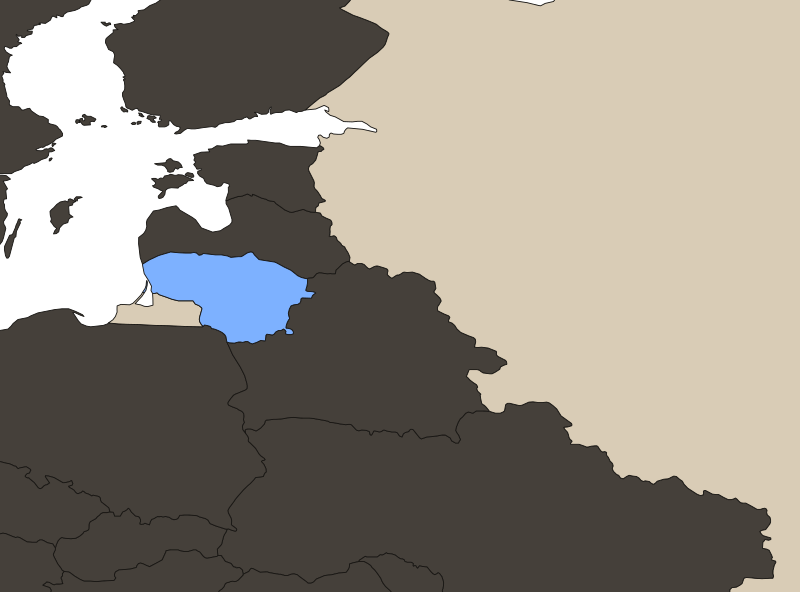 Lithuania
Russia
Kaliningrad
What ties them
What divides them
 Lithuania sells to Russia
$688m
 Russia sells to Lithuania
$237m
Lithuania is Russia's #45 trading partner (0.2% of its goods trade). Russia is Lithuania's #22 (1.2%). Russia stopped publishing customs data in 2022, so these figures rely on Lithuania's reports. Transit goods bound for Kaliningrad cross Lithuania but are not counted as Lithuanian trade. Source: CEPII BACI (version 202601), goods only.
1492-1537
1654-1667
1918-1919
1944-1953
WarTreaty or peaceCrisis
Grand Duchy and Muscovy · 1514-1795
Russian rule and independence · 1864-1920
Soviet occupation · 1939-1991
After the USSR · 1991-2026
In 2025, Lithuania and Russia voted the same way on 73% of the recorded votes in the UN General Assembly. Agreement in the UN General Assembly fell from 87% in 1995 to 49% in 2023, then rose to 73% in 2025. Compare their votes →
Abstaining while the other votes yes or no counts as half agreement. Data: UN Digital Library voting data, 1991 to 2025.
10 questions on their wars, treaties, trade and size. About three minutes, no signup.
Orbis teaches the history behind the news
Orbis teaches geopolitics, history, and power in bite-sized lessons, 800+ of them, with flashcards that make it stick.
Lithuania
vs
Russia
From the Orbis rankings: UN, IMF, SIPRI, FAS. Each tile links to its ranking.
Lithuania
Russia
No. Lithuania has been a NATO member since March 29, 2004, and treats Russia as its main military threat. It expelled Russia's ambassador in April 2022 over the killings in Bucha, Ukraine, and cut ties to the level of chargé d'affaires. Lithuania spends about 5.3% of its GDP on defense and has given Ukraine more than $1 billion in military aid.
Most of Lithuania belonged to the Russian Empire from the Third Partition of 1795 until 1918. It was independent from 1918 to 1940, then part of the Soviet Union from 1940 to 1990, except for German occupation in 1941-1944. Lithuania and most Western states call the Soviet period an occupation. Russia says the Baltic states joined the USSR legally.
Yes, but only Russia's Kaliningrad exclave, along a border of 261 km. The border was fixed by a 1997 treaty that took effect in 2003. Lithuania has no border with mainland Russia. Belarus and Latvia lie between them.
Soviet troops stormed the Vilnius TV tower and broadcasting center on the night of January 13, 1991 to stop Lithuania's independence. They killed 14 civilians and injured hundreds. In 2019, a Vilnius court convicted 67 people, almost all in absentia, including former Soviet defense minister Dmitry Yazov, who was 94 at the time. Russia later convicted the Lithuanian judges in absentia.
No. Lithuania stopped importing Russian gas on April 2, 2022, the first EU country to do so, using its LNG terminal at Klaipėda. It cut Russian oil and electricity in May 2022. In February 2025 the Baltic states left the Russian-run BRELL power grid and joined the European grid. Lithuania still imports some Russian fertilizers and phosphate rock.
Lithuania's 2021 census counted 141,122 ethnic Russians, 5.0% of the population, down from about 6.3% in 2001. UN figures show 54,490 people born in Russia living in Lithuania in 2024, and 25,430 people born in Lithuania living in Russia.