
Resource · Food and farming
Sugar
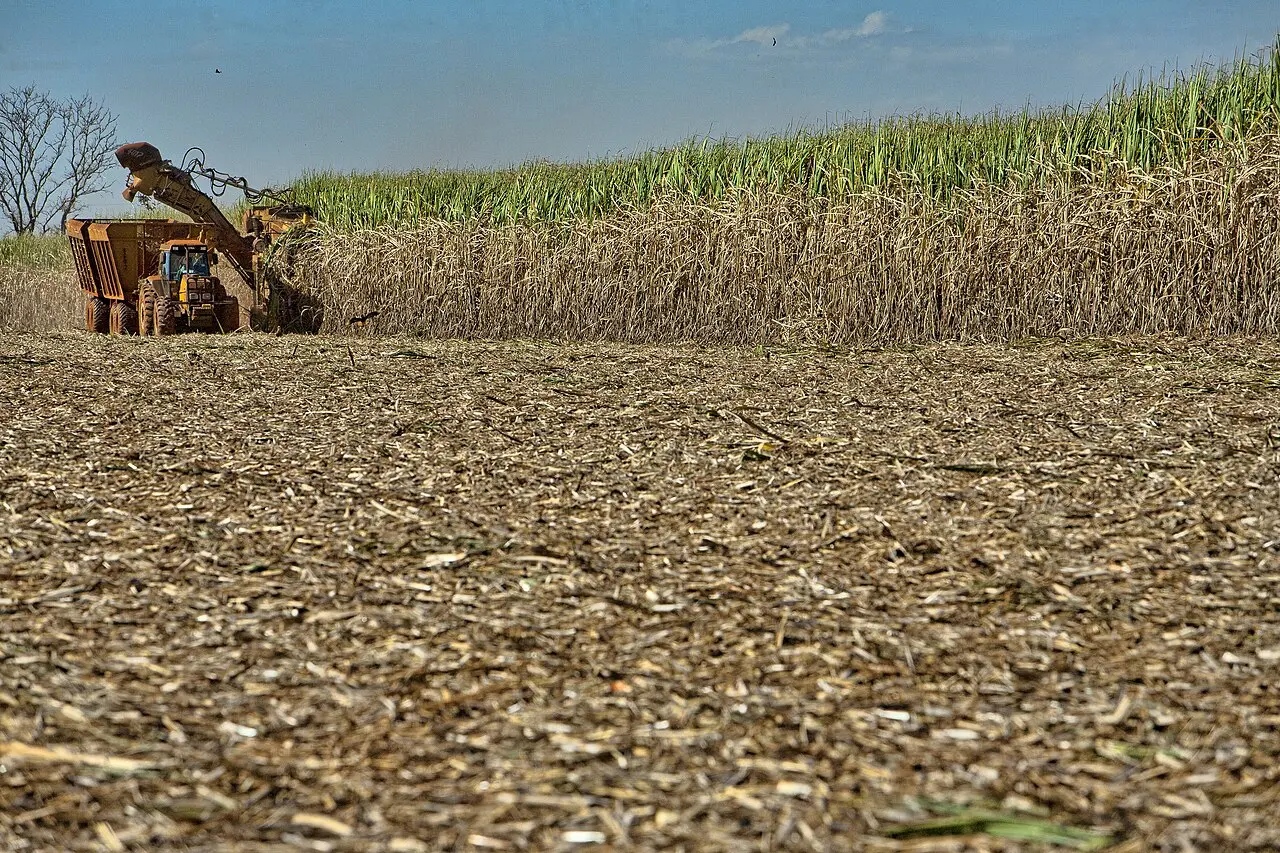
Brazil produces the most sugar: 43.8 million tonnes in 2025/26, 23.5% of the world total. India is second at 16.1% and is the largest consumer. Brazil also sells 54% of all sugar exported. India banned sugar exports in May 2026 and, as of November 2026, had allowed none for the new season.
- Made in 2025/26
- 186 million t
- raw value, USDA estimate
- Largest producer
 23.5%
- of the world, 43.8 million t
- Largest exporter
- 54%
- of world exports, 34.1 million t
- Largest consumer
 16.7%
- of world use, 30.1 million t
- Made from cane
- 78%
- the rest comes from sugar beet
Which countries produce the most sugar?
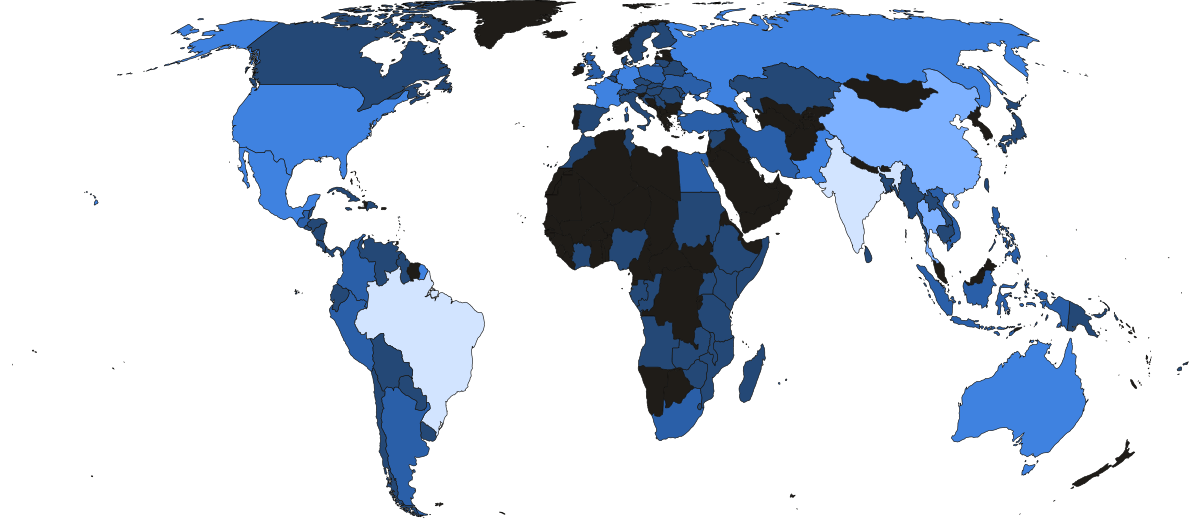
Brazil produced the most sugar in 2025/26: 43.8 million tonnes, 23.5% of the world's 186.1 million. India was second with 30.0 million tonnes (16.1%). Counted as one bloc, the European Union was third with 15.5 million tonnes (8.3%). China (6.8%), Thailand (6.1%) and the United States (4.5%) followed.
Brazil's Center-South region makes about 93% of Brazil's sugar. The USDA forecasts world output down slightly to 184.9 million tonnes in 2026/27, with Brazil and Thailand lower and India higher.

- Under 0.5%
- 0.5%–2%
- 2%–5%
- 5%–15%
- Over 15%
- No production
Who exports the most sugar?
Brazil exported 34.1 million tonnes of sugar in 2025/26, 54% of world exports. Brazil ships about 78% of the sugar it makes, mostly as raw sugar. Thailand was a distant second at 6.0 million tonnes, followed by India (3.5 million), Australia (2.7 million) and Guatemala (1.6 million). The top five exporters sold 77% of all sugar traded.
Brazil's sugar exports were worth US$13.5 billion in the year to March 2026. China was Brazil's largest buyer at 4.6 million tonnes.
Who sells the world's sugar
Million tonnes, raw value, 2025/26
- Brazil34.1
 Thailand6.0
- India3.5
 Australia2.7
 Guatemala1.6
 European Union1.3
 Mexico1.0
 Saudi Arabia1.0
Who imports the most sugar?
China imported 5.5 million tonnes of sugar in 2025/26, the most of any country. Indonesia took 4.0 million tonnes, India 2.6 million, the United Arab Emirates 2.6 million and the United States 2.4 million. The top eight importers took about 41% of world trade. Most imports are raw sugar that the buying country refines.
On August 20, 2026, India's government opened a duty-free quota of 1 million tonnes of raw sugar for its own market, the first such allowance in nearly a decade. Only about 260,000 tonnes had arrived by late October.
Who buys the world's sugar
Million tonnes, raw value, 2025/26
 China5.5
 Indonesia4.0
- India2.6
 United Arab Emirates2.6
 United States2.4
 Bangladesh2.4
 Algeria2.3
 Nigeria2.0
Cane or beet: where does sugar come from?
Sugarcane produced 78% of the world's sugar in 2025/26 (145.8 million tonnes) and sugar beet produced 22% (40.3 million tonnes). Brazil and India together made 51% of all cane sugar. Sugarcane is a tropical grass; sugar beet is a root crop that grows in cooler climates across Europe, Russia and the northern United States.
The European Union made 38% of the world's beet sugar, followed by Russia at 17%. The United States made more sugar from beet (4.6 million tonnes) than from cane (3.8 million tonnes).
Where the world's sugar comes from, 2025/26
Share of world sugar production
- Sugarcane78%
- Sugar beet22%
Who grows each
- 51%of cane sugar comes from Brazil and India
- 38%of beet sugar comes from the EU
- 17%of beet sugar comes from Russia
Why does India limit sugar exports?
India restricts sugar exports to keep domestic prices low. The government first capped exports in May 2022, during a record season of about 11 million tonnes. It then allowed 6 million tonnes in 2022/23, none in 2023/24, 1 million in 2024/25 and 1.5 million in 2025/26. On May 13, 2026, it banned most exports. By November 5, 2026, it had allowed none for 2026/27.
The USDA's office in New Delhi forecasts India's 2026/27 output at 29.5 million tonnes, below use of 30.8 million. India turned about 3 million tonnes of sugar into fuel ethanol in 2025/26. For 2026/27, India's state oil companies stopped buying ethanol made from cane juice.
Sugar exports India allowed
Million tonnes, by season (October to September)
History
Why did Britain think about keeping Guadeloupe instead of Canada?
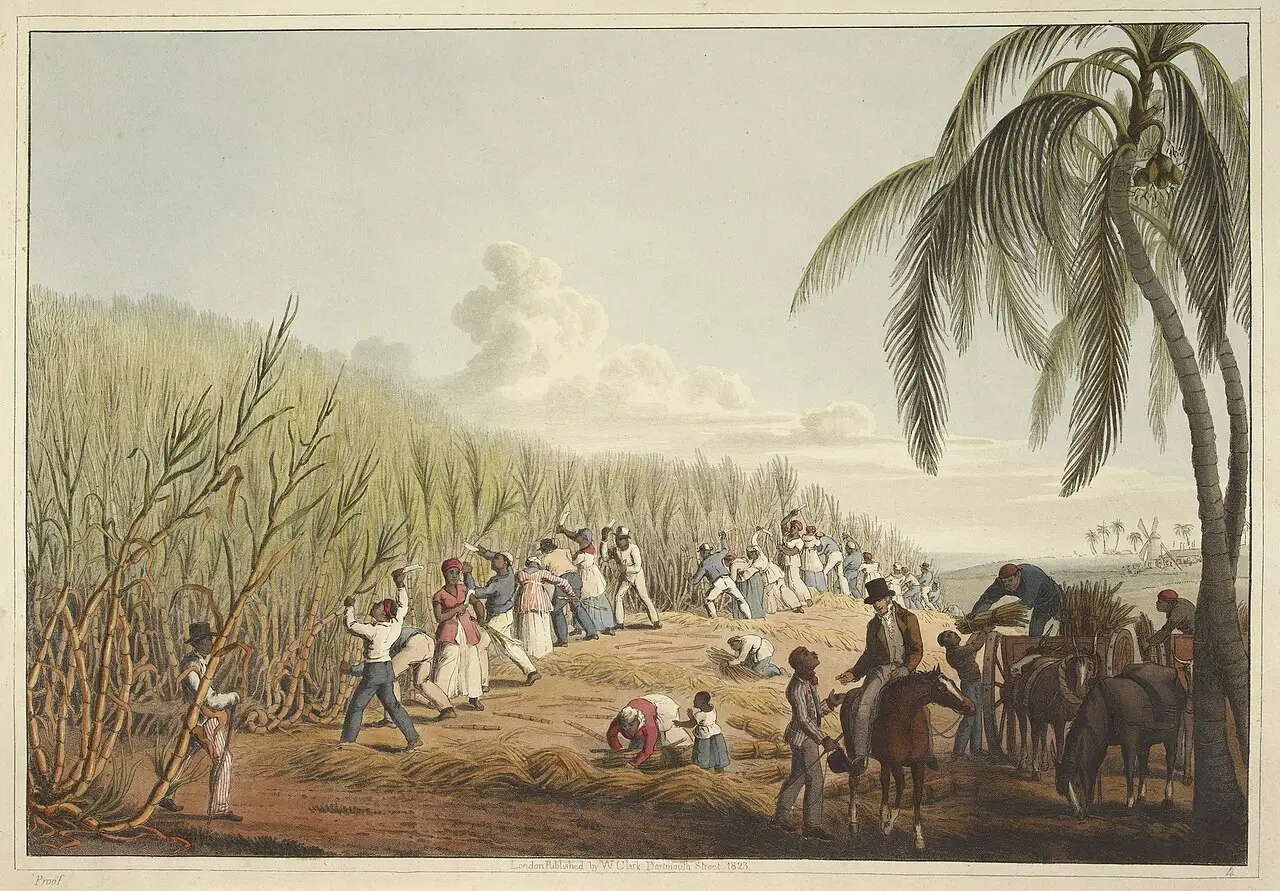
Britain considered it because Guadeloupe grew sugar. Sugar grown by enslaved Africans made small Caribbean islands some of the most valuable colonies in the world. Barbados turned to sugar in the 1640s with Dutch credit and know-how. By 1684 it had about 46,000 Black people, almost all enslaved, and about 20,000 whites. The Atlantic slave trade carried about 12.5 million Africans toward the Americas between the early 1500s and 1866. Brazil and the Caribbean, the two great sugar regions, took the large majority.
Britain captured Guadeloupe in 1759, during the Seven Years' War. From 1760 British writers argued over whether to keep the island or Canada at the peace. Benjamin Franklin, then living in London, argued for Canada in a 1760 pamphlet. The British West India planters opposed keeping Guadeloupe, because its sugar would compete with theirs in the protected British market. In the Treaty of Paris of 10 February 1763, Britain kept Canada and France recovered Guadeloupe and Martinique.
History
How the Haitian Revolution led to the Louisiana Purchase
Napoleon sold Louisiana to the United States in 1803 after his army failed to retake Saint-Domingue, France's richest sugar colony. Around 1789 it held close to half a million enslaved people and about 30,000 whites. The enslaved rose up in August 1791.
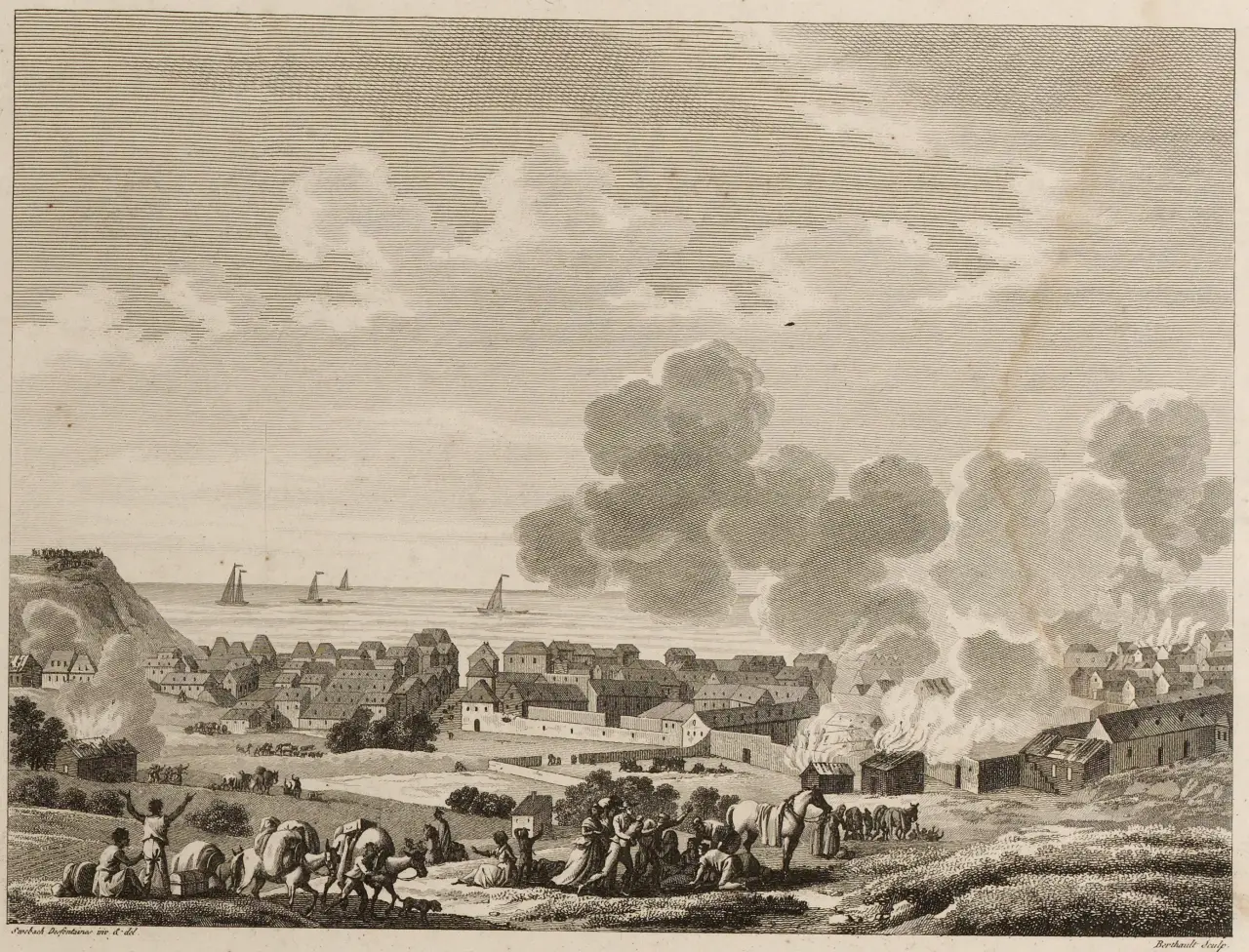
Toussaint Louverture, born about 1743 on the Bréda plantation and freed by 1776, became the revolution's leader. As a free man he leased a coffee plantation worked by 13 enslaved people. In June 1793 most of Cap-Français burned in fighting between French factions. The National Convention in Paris abolished slavery in all French colonies on 4 February 1794.
In 1802 Napoleon sent his brother-in-law, General Charles Leclerc, with about 40,000 men. Leclerc deported Toussaint to France. Yellow fever destroyed the French army and killed Leclerc in November 1802. Toussaint died in a French prison on 7 April 1803. Later that month Napoleon sold Louisiana for $15 million. On 1 January 1804 the Haitian Revolution ended with Haiti's independence.
History
Which country produced the most sugar 100 years ago?
Cuba. In 1925/26 it made about 5.5 million short tons of raw sugar, nearly 20% of the world's 27.8 million. Germany and Czechoslovakia, the largest beet sugar producers, made 12% together. Brazil made 3.6%.
By 1958, 34 US-owned mills made about 35% of the Cuban crop. Cuba normally supplied about a third of all sugar used in the United States. Fidel Castro took power in January 1959. In February 1960 the Soviet Union agreed to buy about 1 million tonnes a year. On 6 July 1960 President Dwight Eisenhower cut Cuba's US sugar quota for 1960 by 700,000 short tons. In August 1960 Cuba nationalized the US-owned mills.
In 1987 a tonne of Cuban sugar bought 4.5 tonnes of Soviet oil. After the Soviet Union collapsed, Cuban output fell from about 7 million tonnes in 1991 to about 4 million in 1993. The 2024/25 harvest was under 150,000 tonnes, the lowest in more than a century.
Share of world sugar production
1925/262025/26

Other resources
All 33 resources →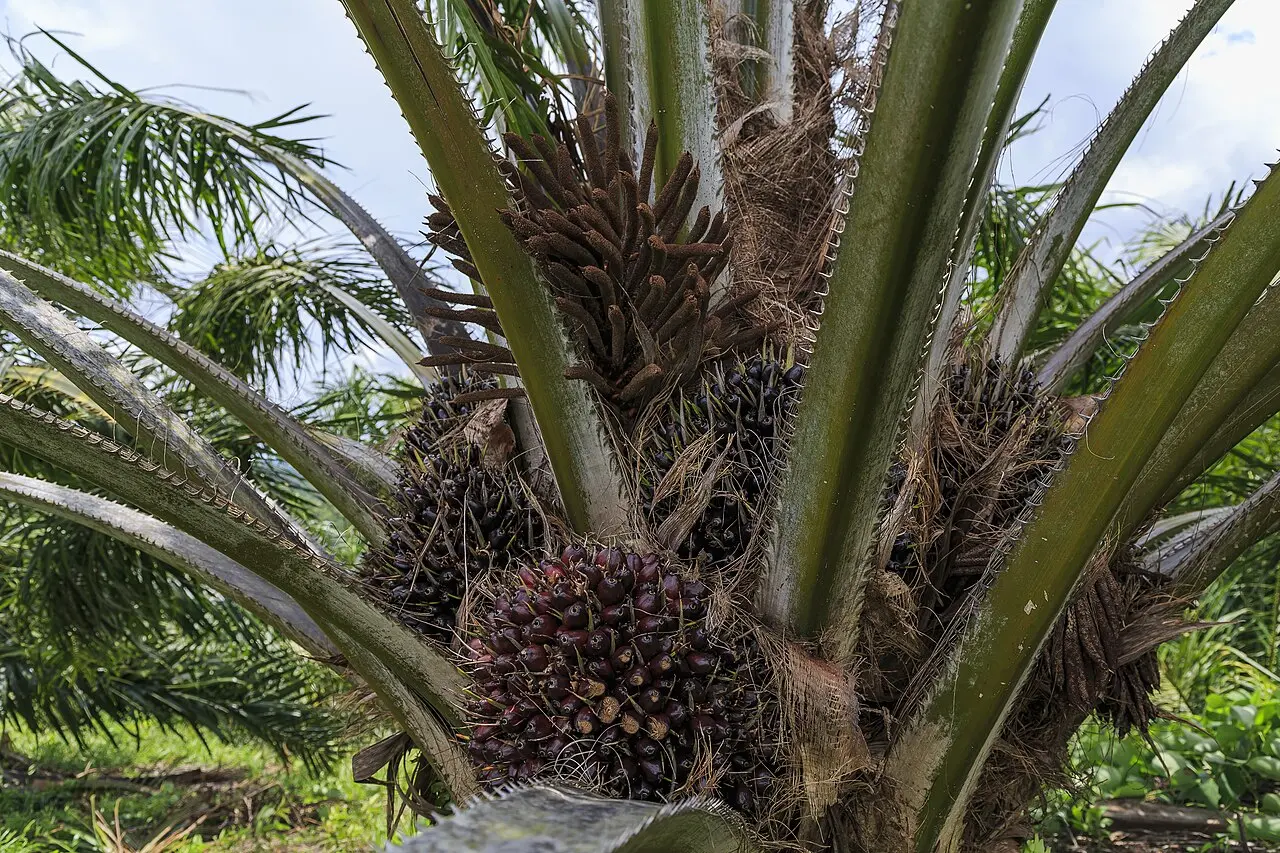 Indonesia 57%
Food and farming
Palm oil
Indonesia grows 57% of the world's palm oil. It is the most-produced vegetable oil.
 Brazil 36%
Food and farming
Soybeans
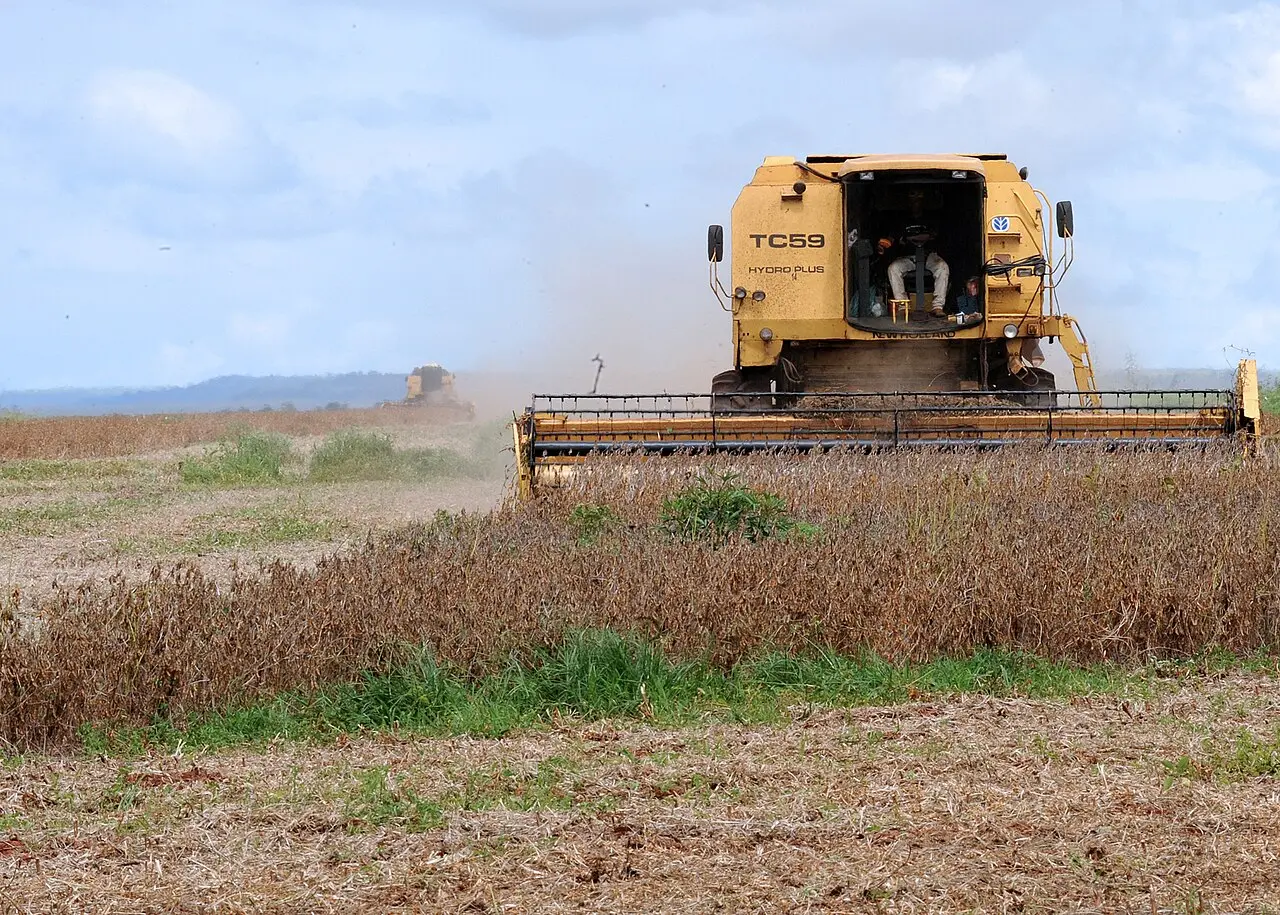
Brazil grows 36% of the world's soybeans. China buys 60% of all traded soybeans.
 Brazil 35%
Food and farming
Coffee
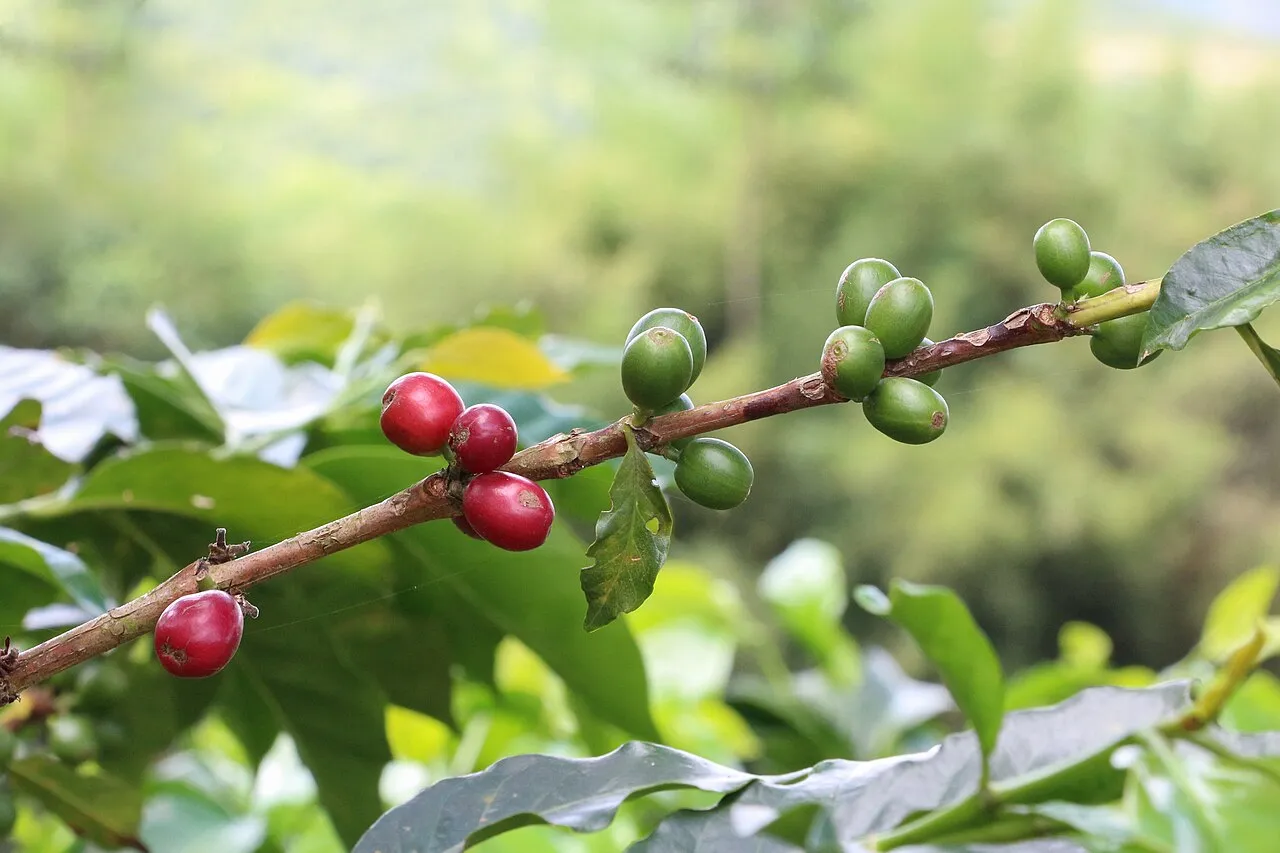
Brazil grows 35% of the world's coffee. The EU drinks the most, 24% of the total.